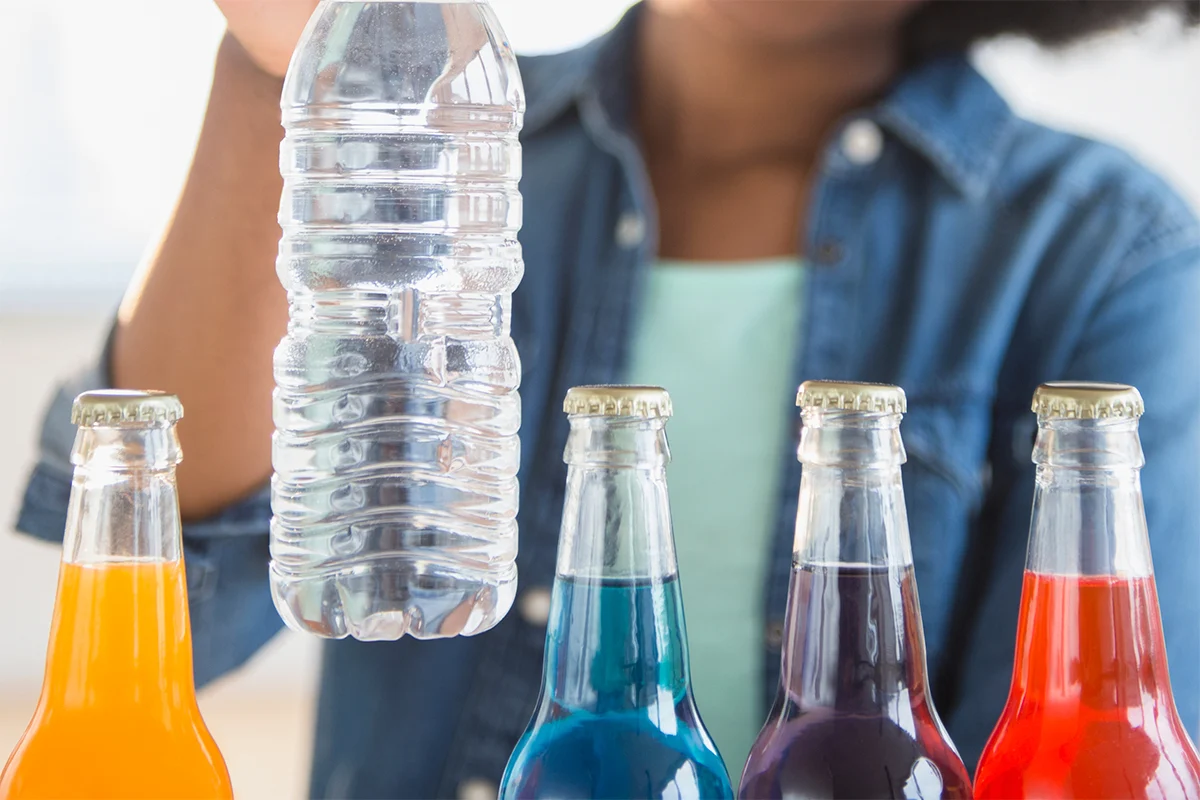
In the modern pursuit of metabolic wellness, the transition from sugar to non-nutritive sweeteners (NNS) has become a global dietary phenomenon. From the neon-colored packets in office breakrooms to the "zero-sugar" labels dominating supermarket aisles, artificial sweeteners are now ubiquitous. Yet, as their consumption climbs, a contentious debate has erupted within the scientific community. Are these compounds a miracle tool for the obesity epidemic, or are they a biological "bait-and-switch" that disrupts our internal mechanisms for appetite regulation?
Main Facts: The Illusion of "Free" Calories
At the core of the debate is the fundamental promise of artificial sweeteners: the ability to decouple the sensation of sweetness from the caloric load. Substances such as aspartame, sucralose, saccharin, and stevia derivatives are hundreds to thousands of times sweeter than sucrose, allowing manufacturers to achieve flavor profiles that mimic sugar without the subsequent glucose spike.
The primary argument for their use is straightforward: by substituting high-calorie sugar with zero-calorie alternatives, individuals can achieve a caloric deficit. This deficit, theoretically, should lead to weight loss or, at the very least, weight maintenance. However, the reality of human physiology is rarely so binary. The body is a complex system of feedback loops, and recent research suggests that the brain’s response to "sweet" is not solely dependent on caloric density. When the tongue registers sweetness without the expected arrival of energy in the digestive tract, it may trigger a cascade of hormonal and neurological responses that complicate the simple "calories in, calories out" equation.
A Chronological Evolution of Sweetener Science
The history of artificial sweeteners is a century-long experiment in food chemistry and public health policy.
The Early Era: Saccharin (1879–1960s)
The accidental discovery of saccharin in a coal tar laboratory in 1879 marked the birth of the industry. Initially marketed as a sugar substitute for diabetics, it remained a niche product until the mid-20th century. During the 1960s and 70s, the "diet culture" boom propelled artificial sweeteners into the mainstream, with cyclamate and aspartame gaining prominence.
The Regulatory Turmoil (1970s–1990s)
The 1970s brought the first major wave of public skepticism. Studies linking high doses of saccharin to bladder cancer in rats led to the "Saccharin Study and Labeling Act" in 1977, which required warning labels on products. While later research largely debunked the cancer risk for humans, the reputation of artificial sweeteners as "chemically suspect" was cemented.
The "Zero" Revolution (2000s–Present)
The turn of the millennium saw the rise of the "zero-sugar" marketing strategy. As global obesity rates soared, public health organizations began recommending NNS as a viable bridge for individuals trying to reduce sugar intake. However, this era also saw the advent of sophisticated metabolic research, which began to move beyond simple calorie counting to examine the gut microbiome and neuroendocrine responses.
Supporting Data: The Disconnect Between Lab and Life
The empirical data regarding artificial sweeteners is notoriously polarized, often depending on the methodology of the study.
The Case for Caloric Reduction
Clinical trials—often funded or supported by the food industry—frequently show that when artificial sweeteners are used as a total replacement for sugar in a structured, short-term dietary intervention, participants do indeed lose weight. For an individual transitioning from regular soda to diet soda, the immediate reduction in sugar intake is undeniable. This is the "substitution effect," which remains the bedrock of medical advice for those struggling with blood glucose management.
The Case for Disrupted Hunger Signals
Conversely, longitudinal observational studies—which track eating habits over years—often show a different trend: a correlation between frequent consumption of diet drinks and higher body mass index (BMI). Scientists point to several mechanisms for this:
- The Cephalic Phase Response: The brain anticipates energy when it tastes sweetness. When that energy fails to arrive, the body may experience a "hunger rebound," leading the individual to consume more calories later in the day.
- Reinforcement of Sweet Preference: Constant exposure to hyper-sweet artificial compounds may desensitize the palate. This creates a "tolerance" to sweetness, making naturally sweet foods like fruit seem bland, while simultaneously increasing cravings for high-calorie, ultra-processed treats.
- Microbiome Alterations: Emerging research suggests that certain sweeteners may alter the composition of the gut microbiota. Changes in these microbial communities have been linked to glucose intolerance, suggesting that the "zero-calorie" sweetener might still negatively impact metabolic health via the digestive tract.
Official Responses and Public Health Guidance
The stance of major health organizations reflects the current scientific uncertainty. The World Health Organization (WHO), in its 2023 guidelines, advised against the use of non-sugar sweeteners for weight control. The WHO’s position is that there is no long-term benefit in reducing body fat in adults or children, and there may be potential long-term undesirable effects, such as an increased risk of type 2 diabetes and cardiovascular diseases.
The U.S. Food and Drug Administration (FDA) and the European Food Safety Authority (EFSA), however, maintain that these substances are "Generally Recognized as Safe" (GRAS) for human consumption within established Acceptable Daily Intake (ADI) levels. Their mandate is primarily focused on toxicology—ensuring that the sweeteners do not cause acute illness or cancer—rather than on the behavioral or metabolic impacts of long-term consumption.
This creates a paradox for the consumer: a substance can be "safe" to eat in terms of toxicity, yet "counterproductive" to one’s personal health goals.
Implications: Navigating the Sweet Future
What does this mean for the average consumer? The implications of this research are shifting the conversation from "what to avoid" to "how to approach sweetness."
1. The Trap of the "Health Halo"
The greatest risk of artificial sweeteners may be the "health halo" effect. When consumers choose a diet soda or a sugar-free cookie, they often feel "authorized" to consume more calories elsewhere. This psychological compensation can negate any potential metabolic benefit of the substitution.
2. The Need for Dietary Re-education
For those looking to reduce their reliance on sugar, the evidence suggests that artificial sweeteners should be viewed as a temporary "training wheel" rather than a permanent dietary fixture. The goal should be a gradual reduction in the overall preference for hyper-sweet flavors. By slowly lowering the intensity of sweetness in the diet, the palate can reset, allowing the natural sweetness of whole foods to become satisfying again.
3. Focus on Whole-Food Nutrition
The consensus across both sides of the research divide is that the primary issue is not just the presence of sugar, but the reliance on ultra-processed foods. Whether sweetened with cane sugar or sucralose, a packaged snack is rarely as nutrient-dense as a whole food. The long-term implication is clear: health is better served by prioritizing fiber-rich, whole foods that naturally regulate satiety, rather than attempting to "hack" the system with non-nutritive substitutes.
Conclusion
The science of artificial sweeteners is a testament to the complexity of the human body. While these substances offer a clear pathway to reduce immediate sugar intake, they do not exist in a biological vacuum. They interact with our brains, our gut bacteria, and our behavioral patterns in ways that we are only beginning to understand.
As we move forward, the most prudent approach is one of moderation and mindfulness. Artificial sweeteners are neither the villainous cause of the obesity epidemic nor the silver-bullet solution. They are tools that, when used without awareness, may inadvertently keep us tethered to the very cravings we are trying to escape. By shifting our focus from the sweetness of our food to the quality of our nutrition, we can move toward a more sustainable and healthy relationship with the act of eating.