In a significant leap forward for regenerative medicine and infectious disease research, an international team led by Nanyang Technological University, Singapore (NTU Singapore) has unveiled a transformative approach to treating chronic, non-healing wounds. The discovery offers a lifeline to millions suffering from persistent infections, particularly those involving antibiotic-resistant bacteria, by shifting the focus from killing pathogens to neutralizing their metabolic "weapons."
The Global Crisis of Chronic Wounds
Chronic wounds represent a silent, escalating global health crisis. Unlike acute injuries that follow a predictable path toward closure, chronic wounds—such as diabetic foot ulcers, venous leg ulcers, and pressure injuries—remain trapped in a persistent state of inflammation.
The human cost is staggering. Globally, approximately 18.6 million individuals suffer from diabetic foot ulcers each year. Given that up to one in three people living with diabetes will develop such an ulcer at some point in their lifetime, the healthcare burden is immense. In Singapore alone, more than 16,000 cases of chronic wounds are reported annually, disproportionately affecting the aging population and those with metabolic disorders.
These wounds are not merely inconvenient; they are a leading cause of lower limb amputations. The cycle of infection, tissue necrosis, and failed healing creates a debilitating reality for patients, often leading to a diminished quality of life and profound psychological distress. When these wounds become colonized by multi-drug resistant organisms, the clinical challenge becomes exponentially more difficult, as traditional antibiotic therapies often fail to penetrate the biofilm or eliminate the resilient bacterial colonies.
Unmasking Enterococcus faecalis: A Metabolic Saboteur
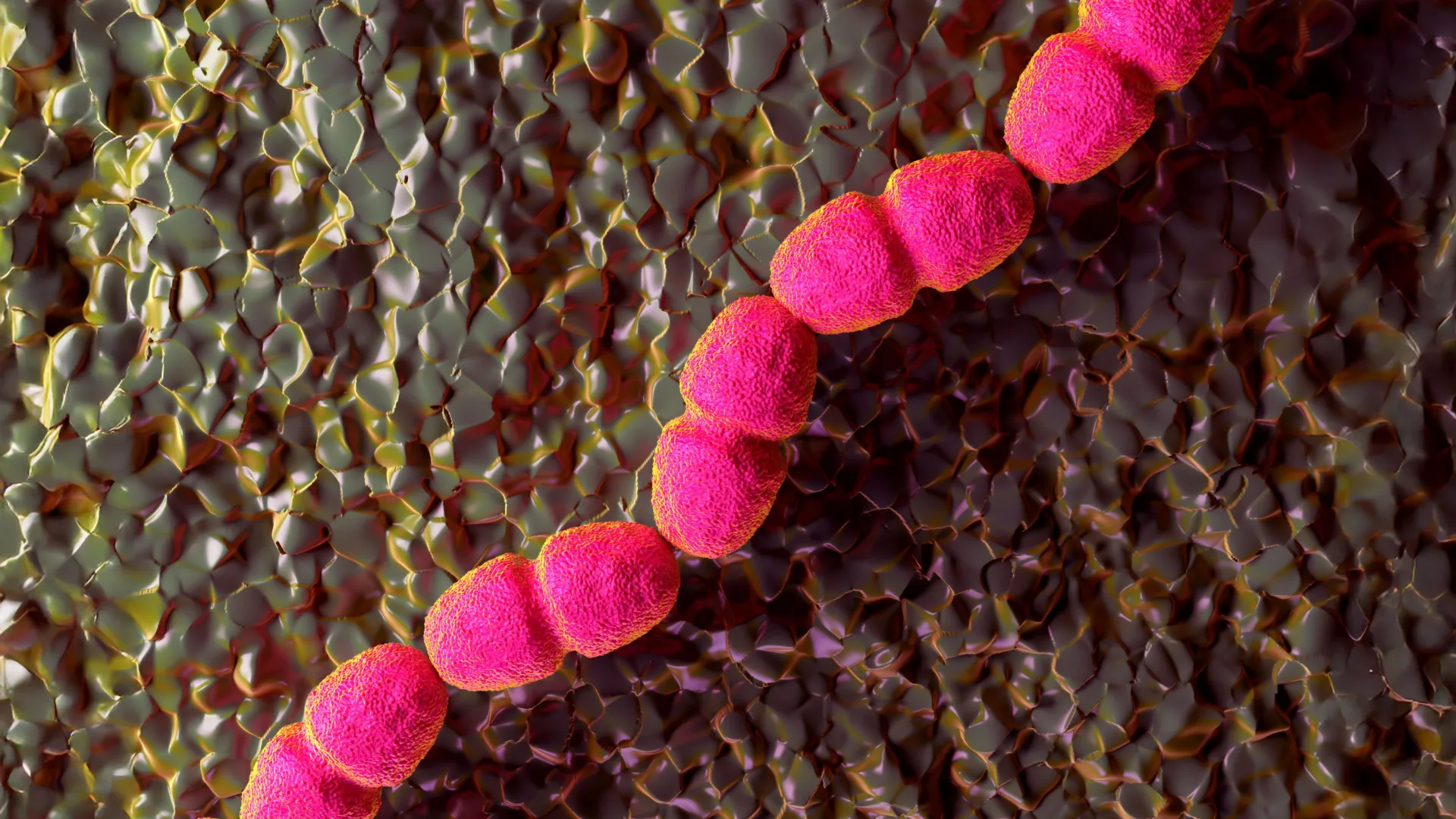
The research, published in the prestigious journal Science Advances, centers on the role of Enterococcus faecalis (E. faecalis), a bacterium commonly found in the human gut that has emerged as a formidable pathogen in clinical wound settings.
For years, clinicians have observed that the presence of E. faecalis in a wound bed correlates with delayed healing, yet the precise biological mechanism of this interference remained a mystery. While it was understood that bacterial presence generally triggers an inflammatory response, the specific "how" remained elusive.
Through a collaboration between NTU Singapore’s School of Biological Sciences and the University of Geneva, researchers—led by NTU Associate Professor Guillaume Thibault and Professor Kimberly Kline—discovered that E. faecalis employs a strategy distinct from the toxin-based warfare utilized by many other pathogens. Instead of relying primarily on secreted toxins to damage host cells, E. faecalis weaponizes its own metabolism.
The Mechanism: Extracellular Electron Transport (EET)
The research team, including first author and NTU Research Fellow Dr. Aaron Tan, identified that E. faecalis utilizes a metabolic process known as extracellular electron transport (EET). In the oxygen-rich environment of a wound, this process acts as a continuous generator of hydrogen peroxide—a highly reactive oxygen species (ROS).
In a healthy environment, cells can manage small amounts of ROS. However, in a chronic wound, the concentrated production of hydrogen peroxide by E. faecalis overwhelms the local cellular defense mechanisms, inducing severe oxidative stress. This stress triggers a cascade within keratinocytes, the skin cells essential for re-epithelialization—the process of closing a wound.
The researchers found that this oxidative stress activates the "unfolded protein response" (UPR) in keratinocytes. Under normal circumstances, the UPR is a survival mechanism that helps cells manage protein folding stress by temporarily halting non-essential functions. However, in the context of an E. faecalis infection, this response is hijacked. The cells become "paralyzed," unable to perform the necessary migration to cover and seal the wound. Effectively, the bacterium forces the skin’s primary repair cells into a state of suspended animation, ensuring the wound remains open—a perfect environment for the bacteria to thrive.
Chronology of the Discovery
The research journey began with a fundamental question: Why do certain wounds refuse to heal despite the absence of systemic toxicity?
- Phase 1: Identification. The team analyzed the behavior of E. faecalis in laboratory models of human skin cells, observing the direct link between bacterial colonization and the failure of keratinocyte migration.
- Phase 2: Pathway Mapping. Using advanced molecular imaging, the researchers traced the hydrogen peroxide production to the EET metabolic pathway.
- Phase 3: Genetic Validation. To confirm the hypothesis, the team engineered a genetically modified strain of E. faecalis that lacked the functional EET pathway. As predicted, this strain produced significantly less hydrogen peroxide and, crucially, failed to inhibit the migration of skin cells in experimental models.
- Phase 4: Therapeutic Intervention. The final phase involved testing whether neutralizing the byproduct—the hydrogen peroxide—could restore healing. By introducing catalase, an antioxidant enzyme, the researchers were able to mitigate the oxidative stress, effectively "unlocking" the keratinocytes and allowing them to resume their migratory function.
Official Responses and Scientific Perspective
The implications of this finding are being hailed as a paradigm shift in how we approach infectious disease.
Assoc Prof Guillaume Thibault, who serves as the Assistant Dean (International Engagement) at the NTU College of Science, expressed the team’s surprise at the nature of the discovery. "Our findings show that the bacteria’s metabolism itself is the weapon, which was a surprise finding previously unknown to scientists," he noted.
Prof Thibault emphasized the shift in therapeutic strategy. "Instead of focusing on killing the bacteria with antibiotics, which is becoming increasingly difficult and leads to future antibiotic resistance, we can now neutralize it by blocking the harmful products it generates and restoring wound healing. We are targeting the cause of the dysfunction—the reactive oxygen species—rather than just the presence of the bacteria."
Professor Kimberly Kline, a visiting professor at the Singapore Centre for Environmental Life Sciences and Engineering (SCELSE), echoed these sentiments, highlighting the urgency of the work. By bridging the gap between bacterial metabolism and host cell biology, the research provides a clear, actionable target for pharmaceutical and medical device development.
Implications for Future Treatment: Beyond Antibiotics
The discovery that metabolic byproducts are the primary culprits in wound stagnation opens the door to a new class of "metabolic inhibitors" or adjunctive therapies.
The Rise of Antioxidant Dressings
The most immediate clinical application lies in the development of advanced wound dressings. Rather than relying solely on silver or chemical antimicrobials, which can sometimes be cytotoxic to healthy tissue, future dressings could be impregnated with enzymes like catalase. These dressings would act as a metabolic sink, continuously neutralizing hydrogen peroxide and providing a permissive environment for tissue regeneration.
Reducing the Antibiotic Burden
The rise of antibiotic-resistant bacteria, often dubbed the "silent pandemic," has limited the efficacy of current standard-of-care treatments. Because the NTU-led approach focuses on neutralizing the harmful effects of the bacteria rather than the viability of the bacteria themselves, it is less likely to trigger the rapid evolutionary pressures that lead to drug resistance. This "anti-virulence" strategy—neutralizing the damage rather than attacking the pathogen—could significantly extend the lifespan of our existing antibiotic arsenal by reducing the need for aggressive, broad-spectrum treatments.
Path to Clinical Translation
The team is currently moving from fundamental research to applied science. With the efficacy of the catalase intervention demonstrated in human cell lines, the next steps involve optimization for clinical delivery. This includes ongoing studies in animal models to determine the best method for delivering these antioxidants—whether through topical gels, specialized foams, or bio-engineered wound dressings.
Given that enzymes like catalase are already well-understood and used in other medical contexts, the regulatory path to human clinical trials may be smoother than for entirely novel drug compounds. The researchers are optimistic that these findings could translate to human clinical trials in the near future, offering hope to the millions currently trapped in the cycle of chronic, non-healing wounds.
Conclusion: A New Horizon for Regenerative Medicine
The work led by NTU Singapore and the University of Geneva serves as a powerful reminder of the complexity of the human-microbe interface. By looking beyond the traditional "kill or be killed" mentality of infectious disease, the research team has unlocked a sophisticated understanding of how bacterial metabolism dictates host health.
As we move toward an era where antibiotic resistance threatens the foundation of modern medicine, these "metabolic solutions" provide a critical path forward. By restoring the skin’s natural capacity to heal, this research does not just treat a symptom—it restores the body’s most basic, and essential, defense mechanism.