





BARCELONA, Spain – In a concerted effort to combat the rising tide of respiratory challenges, the city of Barcelona recently became the epicenter of a vital public health movement. The Healthy Lungs for Life campaign, an ambitious initiative spearheaded by the European Lung Foundation (ELF) and the European Respiratory Society (ERS), descended upon the Catalan capital to host a series of interactive, community-focused events.
By bridging the gap between clinical expertise and public accessibility, the campaign aimed to demystify respiratory health, encourage early detection, and underscore the profound impact of physical activity on lung longevity. Through a strategic partnership with the Barcelona Institute for Global Health (ISGlobal) and the prestigious Hospital Clínic Barcelona, the initiative served as a rallying cry for citizens to prioritize their respiratory wellness in an era of increasing environmental and urban health stressors.
The Core Mission: Raising Awareness in the Urban Heart
The Healthy Lungs for Life campaign is far from a transient event; it represents a long-term, pan-European commitment to altering the public’s relationship with their lungs. As respiratory conditions—ranging from chronic obstructive pulmonary disease (COPD) to asthma—continue to affect millions across the continent, the organizers identified a critical need for proactive, grassroots engagement.
The Barcelona leg of this program was designed to move beyond traditional medical brochures and clinical settings. Instead, the initiative sought to meet people exactly where they live, work, and move. By focusing on simple, actionable steps—such as regular exercise and routine monitoring—the campaign strives to transform the narrative of lung health from one of reactive treatment to one of preventative maintenance.
Chronology of Action: A Day of Engagement
The events in Barcelona were structured to maximize public reach and provide a tangible experience for participants. The engagement was divided into two primary formats: a high-traffic information hub and a community-led movement event.
The Morning Hub: Bringing the Clinic to the Street
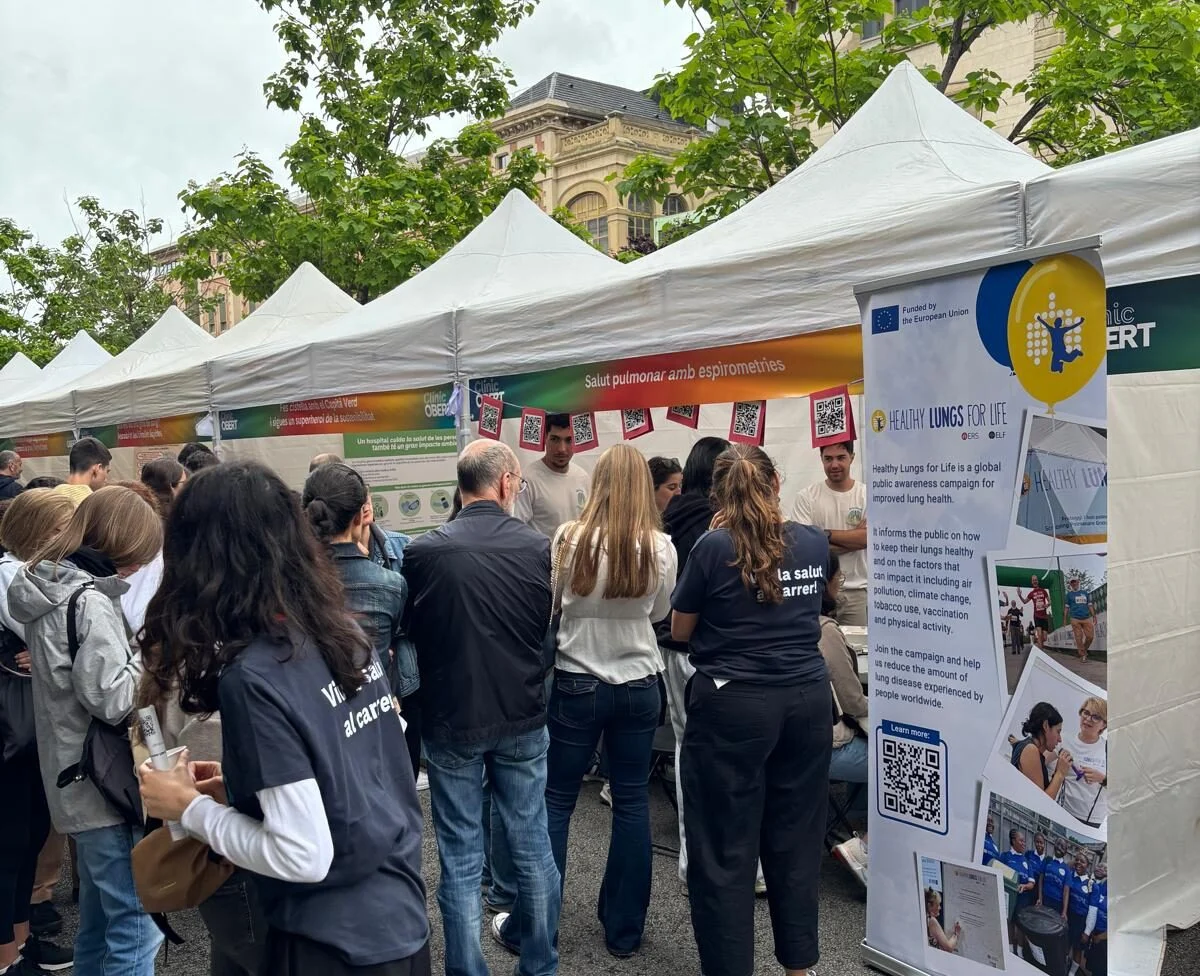
Early in the day, the Healthy Lungs for Life team established an information and screening stand at the bustling intersection of Casanova and Provença, located in the immediate vicinity of Hospital Clínic Barcelona. The location was deliberate, placing vital health services in the path of the daily commute.
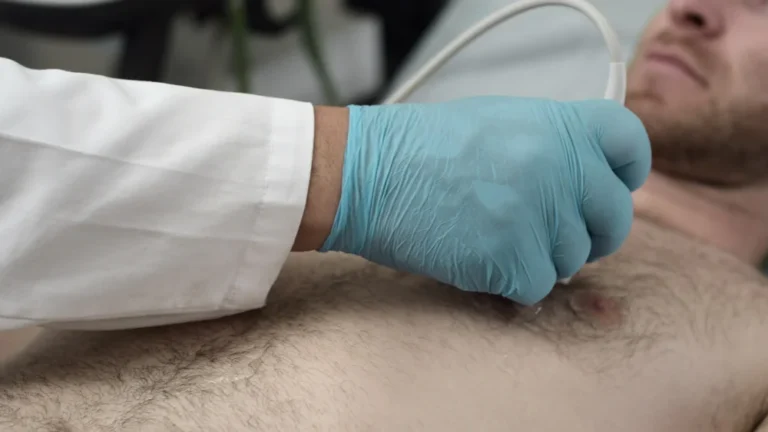
The stand was staffed by a team of trained volunteers and medical professionals equipped to perform spirometry—a non-invasive, diagnostic test that measures the volume and flow of air an individual can inhale and exhale. Throughout the morning, the stand saw a steady stream of participants. Despite the brisk pace of the city, interest was remarkably high, with queues forming as members of the public paused their daily routines to secure a window into their lung function.
By the early afternoon, approximately 50 spirometry tests had been conducted. For many, these tests provided the first real-time data on their respiratory health, offering an invaluable opportunity for early intervention should any abnormalities have been detected.
The Afternoon Walk: Movement as Medicine
Following the diagnostic sessions, the program shifted its focus toward the physiological benefits of movement. Recognizing that sedentary lifestyles are a primary driver of declining respiratory health, organizers coordinated a 4-kilometer "Lung Health Walk."
Participants trekked from the picturesque Barcelona coastline, navigating through the urban landscape to arrive at the doorstep of Hospital Clínic Barcelona. This route was not merely a physical exercise; it was a pedagogical journey. As walkers moved through the city, conversations naturally turned to the impact of air quality, the necessity of urban green spaces, and the direct correlation between sustained physical activity and improved lung capacity. The walk served as a physical manifestation of the campaign’s core philosophy: that lung health is an active, ongoing pursuit.
Supporting Data: Why Lung Health Matters
The urgency of the Healthy Lungs for Life campaign is backed by sobering statistics. Across Europe, respiratory diseases remain among the leading causes of morbidity and mortality. Chronic Respiratory Diseases (CRDs) are often underdiagnosed, meaning that millions of individuals suffer from reduced quality of life without ever understanding the root cause of their symptoms.
The data gathered during the Barcelona screenings is part of a larger, systemic effort to track respiratory health trends across different urban demographics. The prevalence of pollution in metropolitan centers like Barcelona creates a unique environment where lung health can be compromised by fine particulate matter (PM2.5) and nitrogen dioxide (NO2).
By providing spirometry testing in a public setting, the campaign addresses the "hidden" nature of lung disease. Many people normalize chronic coughing or shortness of breath as side effects of aging or smoking, failing to realize that these are often warning signs of conditions that can be managed if caught early. The 50 tests performed in a single day represent 50 individuals now better equipped to advocate for their own health, demonstrating the high efficacy of localized, community-based screening initiatives.
Official Responses and Collaborative Synergy
The success of the Barcelona initiative relied heavily on a multi-institutional partnership. This was not a standalone effort but a collaborative venture that unified global research institutions and local medical centers.
The Director of ISGlobal, who visited the information stand, emphasized the necessity of this partnership. Speaking on the integration of public health research into community life, representatives highlighted that the collaboration is not intended to end with these events. Instead, these activities serve as a blueprint for a sustained 2026 programme.
The involvement of Hospital Clínic Barcelona provided the necessary clinical authority, ensuring that the information disseminated to the public was grounded in the latest evidence-based medicine. Furthermore, the collaboration with organizations like LoveXAir—a group dedicated to empowering patients—ensured that the campaign remained patient-centric, focusing on the lived experience of those dealing with respiratory conditions rather than just the pathology of the diseases themselves.
Implications: The Road to 2026
The activities in Barcelona are merely the opening chapters of a wider narrative. As the city prepares to host the upcoming ERS Congress, the Healthy Lungs for Life campaign is scaling its efforts to ensure that respiratory health remains at the forefront of the public agenda.
The Long-Term Impact
The implications of this initiative are twofold:
- Normalization of Screening: By bringing spirometry to the street, the campaign removes the psychological barrier of visiting a hospital for a "check-up." It frames lung health as a routine aspect of life, much like checking blood pressure or cholesterol.
- Policy Influence: The data and the public visibility generated by these events serve as powerful tools for advocacy. When citizens take to the streets to demand better air quality or participate in awareness drives, it places pressure on local governments to prioritize environmental health regulations and urban planning that supports clean air.
A Call to Action
The campaign’s presence in Barcelona serves as a reminder that respiratory health is not merely an individual responsibility but a collective one. The organizers have made it clear that while they provide the tools, the ultimate success of the program lies in the sustained interest and participation of the public.
For those who were unable to attend the recent events, the campaign encourages continued engagement through its mailing list. By providing updates on research, event notifications, and expert insights, the initiative aims to maintain the momentum generated in Barcelona. Whether through joining future walks, participating in upcoming screenings, or simply staying informed about the latest air quality reports, every individual has a role to play in the broader mission of protecting lung health.
As the program looks toward the 2026 ERS Congress, the objective is clear: to ensure that the message of Healthy Lungs for Life reaches every corner of the city. In a world where respiratory challenges are becoming increasingly complex, the simplicity of the Barcelona approach—breathe better, move more, and stay informed—remains the most effective strategy for a healthier future.
For more information on upcoming events, research, and how to get involved, visit the Healthy Lungs for Life website. Join the mailing list to receive the latest updates from the frontlines of respiratory health advocacy.