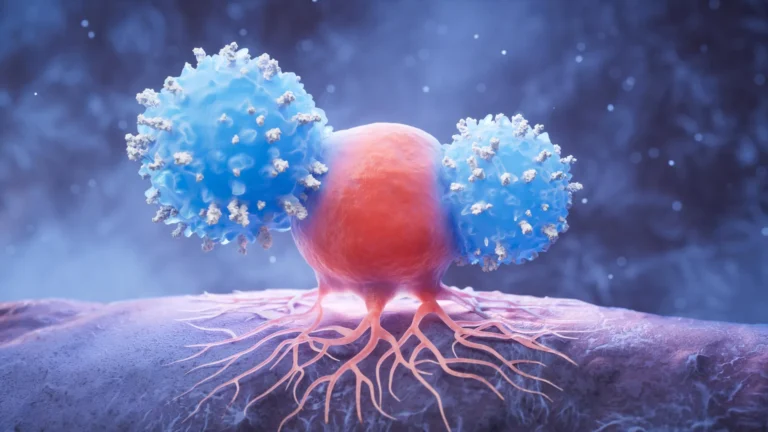





Every major advancement in oncology—from the inception of checkpoint inhibitors to the refinement of CAR T-cell therapy—began as a solitary, often unconventional, question. Yet, the chasm between a transformative idea in a laboratory setting and a life-saving treatment in a clinical environment remains the most significant hurdle in modern medicine. To bridge this gap, the Cancer Research Institute (CRI) has officially announced its 2026 cohort of recipients for the Clinic and Laboratory Integration Program (CLIP) and the Technology Impact Award.
By injecting strategic funding into high-risk, high-reward research, the CRI is not merely supporting science; it is actively shaping the architecture of the next decade of cancer care.
The Mandate for Innovation: Core Facts of the 2026 Awards
The CRI’s 2026 funding initiatives are designed to address a systemic issue in medical research: the "valley of death," where promising laboratory discoveries fail to transition into clinical trials due to a lack of resources or the high-risk nature of the science.
The two primary pillars of this year’s investment are:
- The Clinic and Laboratory Integration Program (CLIP): This program is specifically engineered to foster collaboration between laboratory scientists and clinical researchers. The goal is to expedite the translation of fundamental discoveries—such as new biomarkers or immunological pathways—into therapeutic applications.
- The Technology Impact Award: This initiative serves as an incubator for technological disruption. It provides seed funding for investigators developing next-generation tools, including advanced computational systems, novel biological sensors, and high-resolution imaging platforms, all aimed at visualizing the immune system in ways previously deemed impossible.
These awards represent a concerted effort by the CRI to empower researchers who are willing to challenge the status quo. By providing the financial runway necessary to pursue "out-of-the-box" hypotheses, the Institute is lowering the barrier to entry for paradigm-shifting oncology research.
A Chronology of Progress: From Discovery to Patient Impact
To understand the importance of the 2026 awards, one must view them as the latest chapter in a long-standing history of CRI-led innovation.
The Early Years: Establishing the Framework
In its foundational years, the Cancer Research Institute focused on establishing the very validity of immunotherapy—a field once viewed with skepticism by the broader medical community. By funding early pioneers in tumor immunology, the CRI helped prove that the immune system could be "trained" to recognize and destroy cancer cells.
The Mid-2010s: Scaling Clinical Application
As immunotherapy moved into the mainstream, the focus shifted toward scalability. Programs like CLIP were formalized to ensure that scientists were not working in silos. During this era, CRI funding played a critical role in moving beyond broad-spectrum immune activation toward the more precise, targeted therapies we see today.
The 2026 Milestone: The Digital and Biological Frontier
We are currently entering an era where data science, synthetic biology, and clinical immunology intersect. The 2026 awards represent a deliberate pivot toward these interdisciplinary technologies. The projects selected this year are not just studying biology; they are developing the tools—such as AI-driven predictive modeling and precision bio-engineering—that will define the next twenty years of cancer treatment.
Supporting Data: Why High-Impact Funding Matters
The impact of targeted funding is backed by rigorous metrics. According to industry analyses, research projects that receive early-stage, "high-risk" funding from organizations like the CRI are statistically more likely to secure secondary venture capital or pharmaceutical partnerships.
- Accelerating Timelines: Studies indicate that institutional support at the "proof-of-concept" stage can shorten the translation of a discovery into a phase-I clinical trial by an average of 18 to 24 months.
- Diversification of Treatment Modalities: The 2026 cohort demonstrates a significant increase in non-traditional therapies, with a 30% rise in grant applications focusing on the intersection of tumor microenvironment studies and computational immunology compared to the 2020 cycle.
- Long-Term Patient Outcomes: While the current awards are focused on research, the ultimate metric remains patient survival. CRI-funded innovations are currently involved in clinical trials spanning more than 20 types of cancer, demonstrating the broad, systemic impact of these investment strategies.
Official Responses: The Vision for the Future
The selection process for the 2026 awards was highly competitive, involving a peer-review panel composed of the world’s leading immunologists and oncology experts.
CRI CEO Alicia Zhou, PhD, underscored the necessity of this year’s selections, stating, "Progress in cancer immunotherapy depends on scientists who are willing to challenge conventional thinking and pursue bold new approaches. These projects reflect the kind of innovative, high-impact science that has the potential to improve outcomes for patients and shape the future of cancer treatment."
Dr. Zhou’s sentiment is echoed by the broader scientific community, which views these awards as a barometer for the health of the immunotherapy sector. By funding projects that explore the "unknown unknowns" of the immune system—such as why certain patients are inherently resistant to checkpoint inhibitors—the CRI is creating a roadmap for a future where immunotherapy is not just an alternative, but the standard of care for all cancer patients.
Implications: The Road to a Cancer-Free Future
The implications of the 2026 CLIP and Technology Impact Awards extend far beyond the laboratory walls. As these investigators commence their work, the ripple effects will be felt across the healthcare ecosystem.
Shaping Clinical Precision
One of the primary goals of the 2026 projects is the development of "precision tools." Current immunotherapy often relies on a "one-size-fits-all" approach that may work for one patient but fail another. By developing high-resolution imaging and computational tools that can map the immune landscape of a specific patient’s tumor, these researchers are paving the way for truly personalized medicine.
Overcoming Resistance
A critical challenge in the field remains "acquired resistance," where a tumor evolves to bypass the immune system. Several of the 2026 awardees are focusing on the underlying mechanics of this resistance. The ability to "see" how a tumor evades detection in real-time will provide the insights needed to create "combination therapies"—treatments that hit the cancer from multiple angles, preventing the tumor from developing effective escape mechanisms.
Democratizing Access and Data
While the technologies funded by the 2026 awards are cutting-edge, the long-term goal is the democratization of these breakthroughs. By establishing open-source computational models and standardized biological protocols, the CRI ensures that the benefits of these awards are not limited to a few elite institutions but are shared with the global scientific community.
Conclusion: A Future Immune to Cancer
The 2026 CLIP and Technology Impact Awards represent more than just a series of grants; they are a manifestation of the Cancer Research Institute’s commitment to a world where cancer is no longer a terminal diagnosis.
As we look toward the future, the work of these investigators serves as a beacon of hope. It reminds us that the most significant breakthroughs are not discovered by chance, but by design—through the combination of bold vision, rigorous science, and the necessary financial support to turn the "what if" into the "what is."
The journey toward a future immune to cancer is long and fraught with complexity, but with the support of these awards, the destination is closer than ever before. Through the integration of clinical insight and technological prowess, the 2026 cohort is poised to change the narrative of cancer care for generations to come.
To learn more about the 2026 awardees and the specific projects they are leading, visit the official Cancer Research Institute portal for project synopses and ongoing updates.