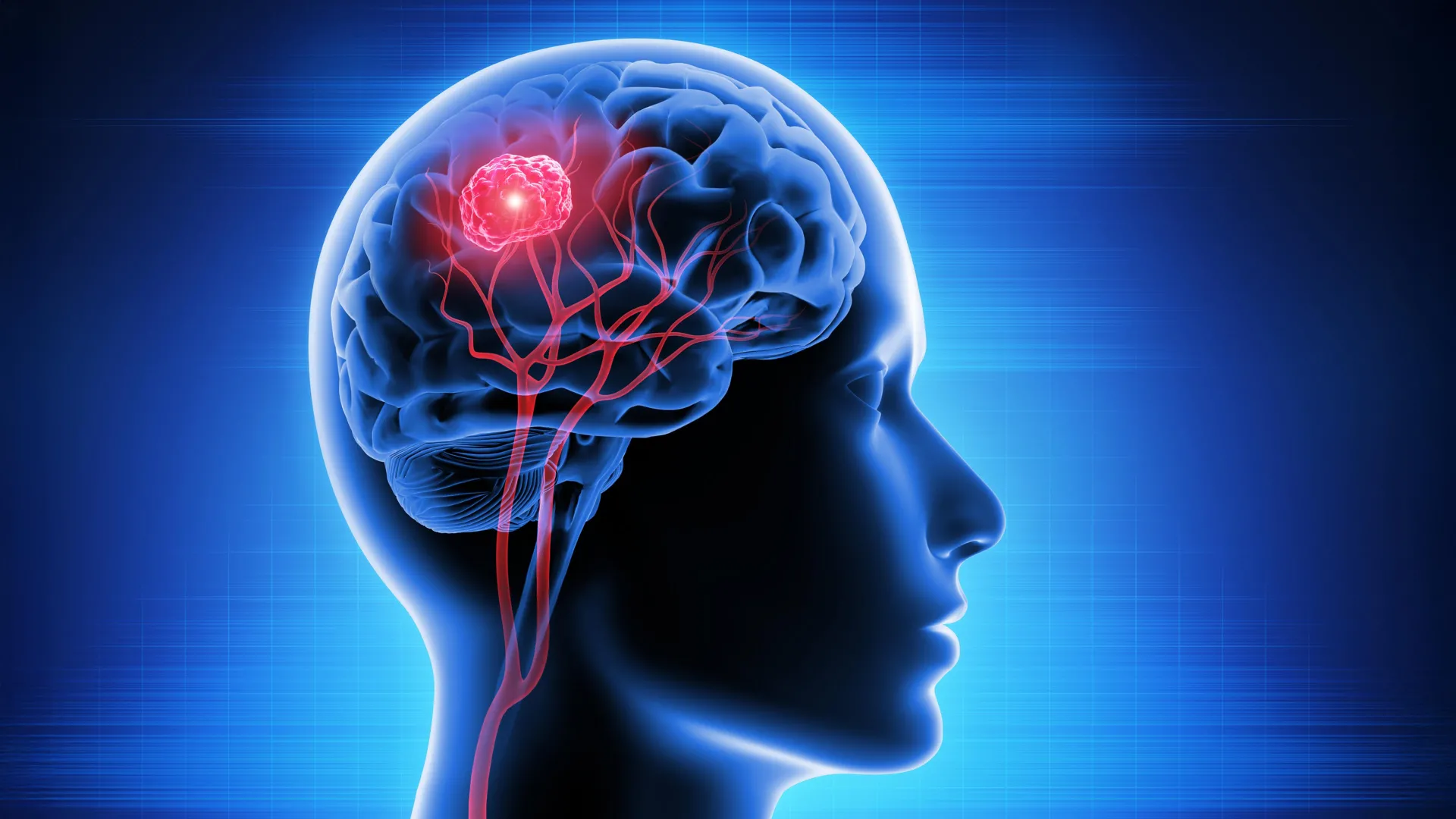
Glioblastoma multiforme (GBM) remains one of the most formidable adversaries in the field of oncology. Characterized by its rapid growth, diffuse infiltration into healthy brain tissue, and extreme resistance to conventional medical interventions, GBM patients face a grim prognosis, with average survival times typically hovering below 15 months post-diagnosis. However, a newly published study in the journal Oncoscience offers a glimmer of hope: a novel therapeutic approach utilizing a modified form of Vitamin B12 to bypass the body’s most restrictive defense system.
The research, titled "Selective blood-brain barrier penetration and tumor targeting of nitrosylcobalamin in glioblastoma: Pharmacokinetics, tissue distribution, and synergistic activity with trail and temozolomide," details a pioneering investigation into nitrosylcobalamin (NO-Cbl). By leveraging the body’s natural uptake mechanisms for B12, scientists have potentially unlocked a "Trojan horse" strategy to deliver potent anti-cancer agents directly into the heart of brain tumors.
The Challenge of the Blood-Brain Barrier (BBB)
To understand the magnitude of this discovery, one must first understand the architectural nightmare that is the blood-brain barrier. The BBB is a highly selective semipermeable border that separates the circulating blood from the brain and extracellular fluid in the central nervous system. While it is essential for protecting the brain from toxins and pathogens, it is equally adept at rejecting the vast majority of life-saving pharmaceutical compounds.
In the context of glioblastoma, the BBB acts as an impenetrable shield. Even when surgeons successfully resect a primary tumor, microscopic cancer cells often hide behind this barrier, shielded from the effects of radiation and systemic chemotherapy. This structural limitation is the primary driver of the high recurrence rates observed in GBM patients. For decades, researchers have sought ways to trick the BBB into allowing therapeutic agents passage. The current study, led by Joseph A. Bauer of Nitric Oxide Services, LLC and the Cleveland Clinic Foundation Taussig Cancer Center, suggests that nature may have provided the key in the form of a cobalamin derivative.
Chronology of the Research: From Cell Lines to Animal Models
The development of NO-Cbl as an anti-cancer agent has been a multi-year, iterative process. The research team began by validating the drug’s baseline efficacy.
Phase 1: In Vitro Sensitivity Testing
The researchers first tested NO-Cbl against the NCI-60 human tumor cell line panel. The results were encouraging; NO-Cbl demonstrated broad-spectrum antitumor activity across diverse cancer types. Crucially, cells derived from the central nervous system—the primary targets—displayed a distinct sensitivity to the compound. This initial success provided the impetus to move beyond simple cell cultures and into complex biological systems.
Phase 2: Pharmacokinetics and Biodistribution
The study’s most pivotal moments occurred during animal trials. Researchers administered NO-Cbl systemically to rats harboring glioblastoma tumors to track how the compound navigated the circulatory system. The data revealed a phenomenon of selective accumulation. Unlike traditional chemotherapy drugs, which often flood the body indiscriminately, NO-Cbl demonstrated a preference for the tumor microenvironment.
Phase 3: Synergistic Combination Therapy
Recognizing that cancer treatment is rarely a "silver bullet" solution, the team shifted their focus to combinatorial dynamics. By testing NO-Cbl in tandem with TRAIL (a protein that induces apoptosis) and temozolomide (the current gold-standard chemotherapy for GBM), the researchers discovered that the combination was significantly more effective than the sum of its parts. The synergistic effect suggested that NO-Cbl might be capable of "sensitizing" tumor cells to treatments that they would otherwise resist.
Supporting Data: Evidence of Selective Accumulation
The scientific rigor of the study is underscored by the precise pharmacokinetic measurements documented in Figures 2 and 3 of the paper. These visualizations provide a clear, longitudinal map of the compound’s movement within the subjects.
The team observed that nitrate levels—a byproduct of NO-Cbl metabolism—remained significantly elevated within the glioblastoma tissue for at least 24 hours post-administration. Conversely, these levels plummeted rapidly in normal brain tissue and other peripheral organs. This disparity indicates that NO-Cbl is not just "passing through"; it is being actively retained within the tumor microenvironment, where it can provide a sustained release of nitric oxide.
This sustained delivery is critical. Nitric oxide (NO) is a signaling molecule that, when delivered in high concentrations within a tumor, can disrupt survival pathways. By keeping the NO concentration high specifically within the tumor, the treatment maximizes damage to cancer cells while sparing the delicate, surrounding healthy neural tissue.
Official Responses and Mechanisms of Action
While the study is still in the pilot phase, the implications for neuro-oncology are profound. In the paper, the authors outline how NO-Cbl addresses the biological "armor" that glioblastomas wear to survive.
Overcoming Resistance
One of the most insidious traits of GBM is its ability to adapt to treatment. The authors note that NO-Cbl interferes with several of these survival mechanisms:
- Caspase-8 Activation: The compound promotes programmed cell death (apoptosis) by activating the caspase-8 pathway.
- NF-κB Suppression: It effectively shuts down NF-κB signaling, a pathway that tumors use to prevent their own death.
- S-Nitrosylation: By strengthening TRAIL receptor signaling, the compound makes the cells hyper-sensitive to external signals that trigger self-destruction.
These mechanisms effectively "re-sensitize" cells that have developed a resistance to temozolomide, potentially extending the efficacy of standard care protocols. As Joseph A. Bauer remarked in the study’s summary: "This pilot study demonstrates that NO-Cbl crosses the BBB, accumulates selectively in brain tumor tissue, and synergizes with established and experimental glioblastoma therapies."
Implications for the Future of Neuro-Oncology
The transition from a laboratory setting to clinical practice is a long and arduous road, and the authors of the Oncoscience study are the first to urge caution. This is a translational pilot study, and there is significant work to be done before NO-Cbl becomes a standard treatment option for human patients.
The Road Ahead
Future research initiatives are already being mapped out, with a focus on several key areas:
- Orthotopic Validation: Moving from subcutaneous models to orthotopic models (where tumors are implanted directly into the brain) to ensure the BBB penetration remains consistent in the most realistic physiological environment.
- Dosing Optimization: Determining the precise window of administration to ensure maximum therapeutic effect while minimizing potential side effects.
- Long-Term Tracking: Utilizing advanced imaging techniques to observe the nitric oxide activity over extended periods to ensure the drug’s durability.
- Broader CNS Models: Investigating whether this approach holds promise for other brain-related malignancies, such as metastatic cancers that have spread to the brain from other parts of the body.
A Paradigm Shift?
The broader implication of this study is the validation of the "vitamin-carrier" model. By repurposing a molecule as ubiquitous as Vitamin B12, researchers are effectively hijacking the brain’s own nutrient transport system to bypass its defense mechanisms. If this strategy proves successful in clinical trials, it could serve as a blueprint for delivering other types of drugs across the blood-brain barrier, potentially opening doors for treating neurodegenerative diseases like Alzheimer’s or Parkinson’s, in addition to aggressive brain cancers.
While the medical community waits for further data, the current findings offer a tangible reason for optimism. By combining the precision of tumor targeting with the power of synergistic drug combinations, the NO-Cbl approach represents a sophisticated, multifaceted strategy to combat one of medicine’s most stubborn foes. It is a reminder that even in the face of the most daunting biological barriers, innovative science, combined with an understanding of natural biological processes, can provide a path forward.
As the field of neuro-oncology continues to evolve, the work of Bauer and his colleagues stands as a beacon, highlighting the potential for targeted molecular therapies to redefine the standard of care for glioblastoma patients worldwide.