








By Jana Wu, LCSW, LADC
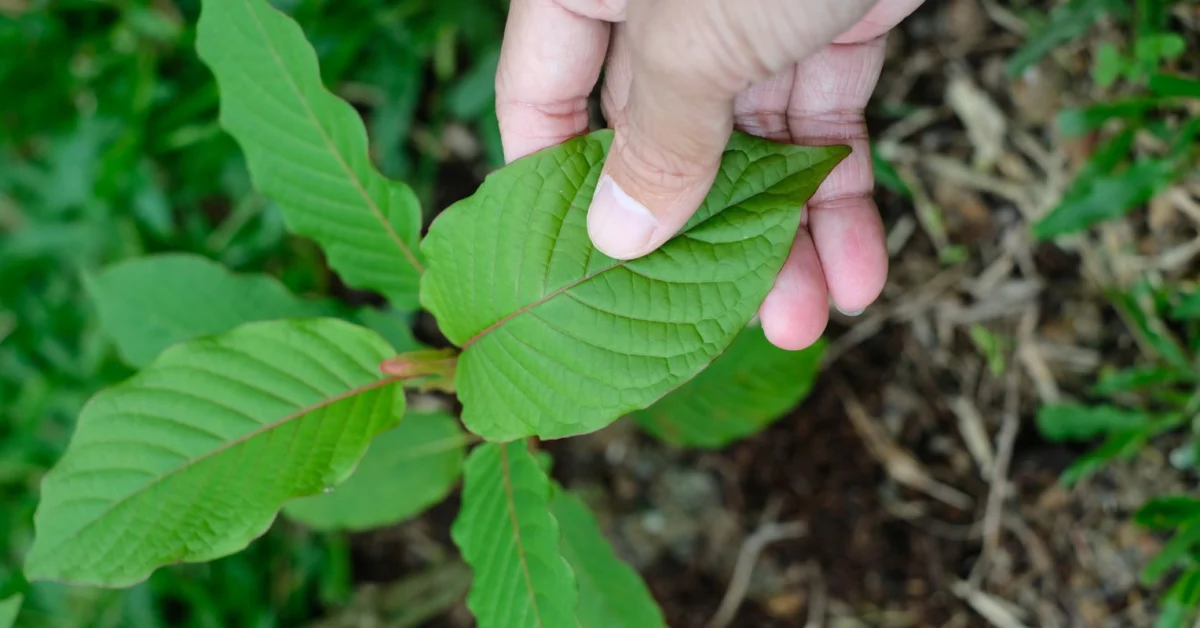
In recent years, a botanical substance once confined to the tropical forests of Southeast Asia has made a striking, albeit controversial, migration to the shelves of American gas stations, vape shops, and health food stores. Kratom—derived from the Mitragyna speciosa tree—has transitioned from a traditional folk remedy used by laborers to sustain energy and manage physical fatigue into a mainstream health phenomenon in the United States.
However, as its popularity surges, so too does the friction between its proponents, who hail it as a "lifesaving" natural supplement, and the medical community, which warns of the risks of unregulated, habit-forming consumption. With an estimated two million Americans now using the substance, the conversation surrounding kratom has moved from the fringes of wellness circles to the forefront of state legislatures and public health debates.
The Origins and Evolution of Kratom Use
For centuries, the indigenous populations of Southeast Asia—particularly in Thailand, Malaysia, and Indonesia—have harvested kratom leaves for traditional medicinal purposes. Historically, field workers chewed the leaves to ward off the lethargy associated with long hours of manual labor and to alleviate the musculoskeletal aches caused by strenuous physical exertion.
In these traditional contexts, the use of kratom was often communal and tied to natural agricultural cycles. However, as the global wellness market has expanded, the "delivery systems" for kratom have shifted drastically. Today, consumers do not typically chew fresh leaves; instead, they purchase highly concentrated powders, pills, and extracts. This evolution in processing has turned a traditional herbal tea into a potent, modern product that lacks the historical context of its original, regulated, and culturally grounded use.
Chronology: From Niche Supplement to Legislative Target
The rise of kratom in the U.S. has been a rapid and largely unchecked trajectory.
- Early 2000s: Kratom began appearing in niche health shops, marketed primarily as an herbal energy booster.
- 2016: The Drug Enforcement Administration (DEA) announced plans to classify the active ingredients in kratom, mitragynine and 7-hydroxymitragynine, as Schedule I substances. The move was met with massive public outcry from advocates, leading the DEA to withdraw its proposal to allow for more scientific study.
- 2018-2021: The FDA ramped up its warnings, citing a lack of clinical evidence for safety and efficacy. During this period, the agency intercepted multiple shipments of tainted kratom products.
- 2022: In April, the FDA issued a formal, strong advisory against the use of any kratom product, emphasizing that the agency has not approved it for any medical use and remains concerned about its addictive potential.
- 2023: State-level legislation began to solidify. On June 2, 2023, Florida Governor Ron DeSantis signed the "Florida Kratom Consumer Protection Act," which set a critical precedent by banning the sale of kratom to anyone under 21 and establishing state-defined standards for product labeling.
Supporting Data: Why Millions Turn to Kratom
To understand why kratom maintains such a dedicated user base, we must look at the data. A significant portion of the user demographic consists of individuals struggling with chronic pain or those attempting to manage the fallout of the opioid crisis.
Surveys conducted within the kratom community indicate that over 90 percent of respondents view the substance as "very effective" for treating chronic pain. Proponents often argue that kratom acts as a safer alternative to synthetic opioids, pointing to its ability to bind to opioid receptors in the brain to produce analgesic effects without, they claim, the same respiratory depression risks as traditional narcotics.
Furthermore, individuals suffering from treatment-resistant depression, severe anxiety, and PTSD report that kratom helps "level them out," providing a functional boost that allows them to maintain employment and social connections. However, these reports are largely anecdotal, and the lack of peer-reviewed, longitudinal clinical studies makes it difficult to separate therapeutic benefit from the physiological effects of dependence.
The Medical Perspective: A Clinical Warning
As a healthcare provider, I have observed the "other side" of the kratom narrative—a reality that often does not reach the marketing materials found in vape shops.
The Physiological Toll
The Mayo Clinic and other clinical authorities have identified a range of adverse physical effects associated with kratom. At lower doses, it can act as a stimulant, leading to:
- Elevated heart rate and palpitations.
- Increased blood pressure.
- Nausea and constipation.
- Weight loss and suppressed appetite.
At higher doses, or with more concentrated extracts, the effects become more severe. I have treated clients who have experienced tremors, seizures, and acute episodes of psychosis. Because there is zero FDA oversight regarding the purity of these products, many store-bought kratom batches are contaminated with heavy metals or synthetic additives, compounding the risk to the consumer.
The Behavioral and Addiction Crisis
The most insidious aspect of kratom use is the potential for substance use disorder. While proponents argue that kratom is "natural" and therefore safe, the brain does not distinguish between the source of a chemical—natural or synthetic—if that chemical alters brain chemistry in a way that triggers dependence.
I have worked with numerous clients who began using kratom to manage opioid cravings, only to find themselves trading one dependency for another. The tolerance-building nature of the substance often leads to escalating dosages. I have seen patients sacrifice their financial stability, steal from family members to afford daily supplies, and miss critical work obligations due to the fog of chronic intoxication. When they attempt to stop, the withdrawal symptoms—muscle aches, severe anxiety, insomnia, and profound depression—can be just as debilitating as those associated with pharmaceutical opiates.
Official Responses and Regulatory Challenges
The primary challenge for regulators is the "Wild West" nature of the market. Because kratom is not currently regulated for purity or potency, a consumer purchasing a bottle in a gas station has no way of knowing if the concentration of active alkaloids is safe or potentially lethal.
The FDA’s current stance remains clear: they do not recognize kratom as a safe or effective drug. However, the legislative response is fractured. While Florida has implemented age-gating and labeling requirements, other states have opted for outright bans, while others remain entirely unregulated. This creates a public health patchwork where a user can cross a state line and find themselves in a vastly different regulatory landscape, further complicating efforts to provide consistent, evidence-based care.
Implications: The Path Forward
The narrative surrounding kratom is a cautionary tale about the intersection of wellness culture and pharmacology. The desire for "natural" alternatives to psychiatric medication and pain management is a valid response to the limitations of our current healthcare system, but it must be tempered by rigorous science.
A Multi-Faceted Approach to Recovery
For those currently struggling with kratom misuse, recovery is entirely possible. It begins with acknowledging that the dependence is real.
- Medical Detox: Because the withdrawal symptoms mimic those of opioids, individuals should seek a medically supervised detox. This ensures that physical symptoms like chills, aches, and nausea are managed safely.
- Psychotherapy: Treating the symptom (kratom use) is not enough. We must treat the cause. Individual and group therapy are essential to uncovering the underlying trauma, chronic pain, or mental health struggles that led the individual to self-medicate.
- Holistic Support: Integrating mindfulness, meditation, and self-compassion training can help patients rebuild their internal regulatory systems. Empowering patients to find healthy ways to cope with stress is the cornerstone of sustainable recovery.
The Need for Informed Consent
Moving forward, we must demand more from the industry. If kratom is to be a part of the health conversation, it must be subject to the same clinical rigor as any other therapeutic intervention. This includes standardizing dosages, clear disclosure of potential drug-to-drug interactions, and widespread education for both the public and clinicians.
We must approach kratom with intellectual curiosity, not blind rejection, but we must also remain vigilant. The "lifesaving" potential reported by some cannot overshadow the very real, documented destruction of lives caused by its misuse. For now, the safest path for any individual considering kratom is to engage in a transparent, honest dialogue with a licensed healthcare provider—not a retail clerk.
If you or a loved one are struggling with substance misuse, reach out to a certified professional. Recovery is not a journey you need to take alone.