In the rapidly evolving arena of modern medicine, the boundary between the "wet lab"—the traditional domain of test tubes and biological samples—and the "dry lab"—the computational realm of data science—is becoming increasingly porous. As cancer research pivots toward high-throughput, data-intensive discovery, the ability to synthesize complex biological datasets has shifted from a luxury to a fundamental necessity.
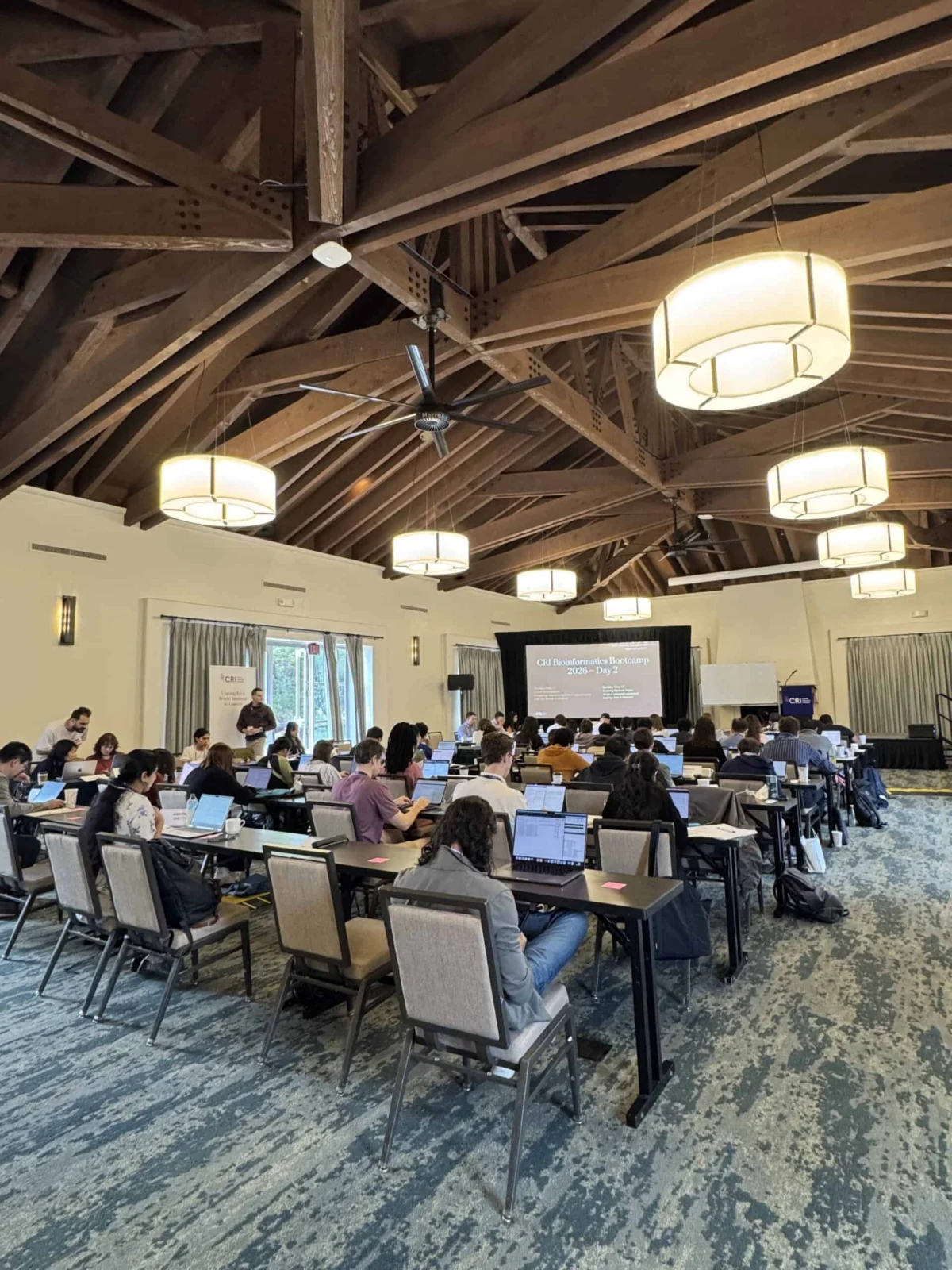
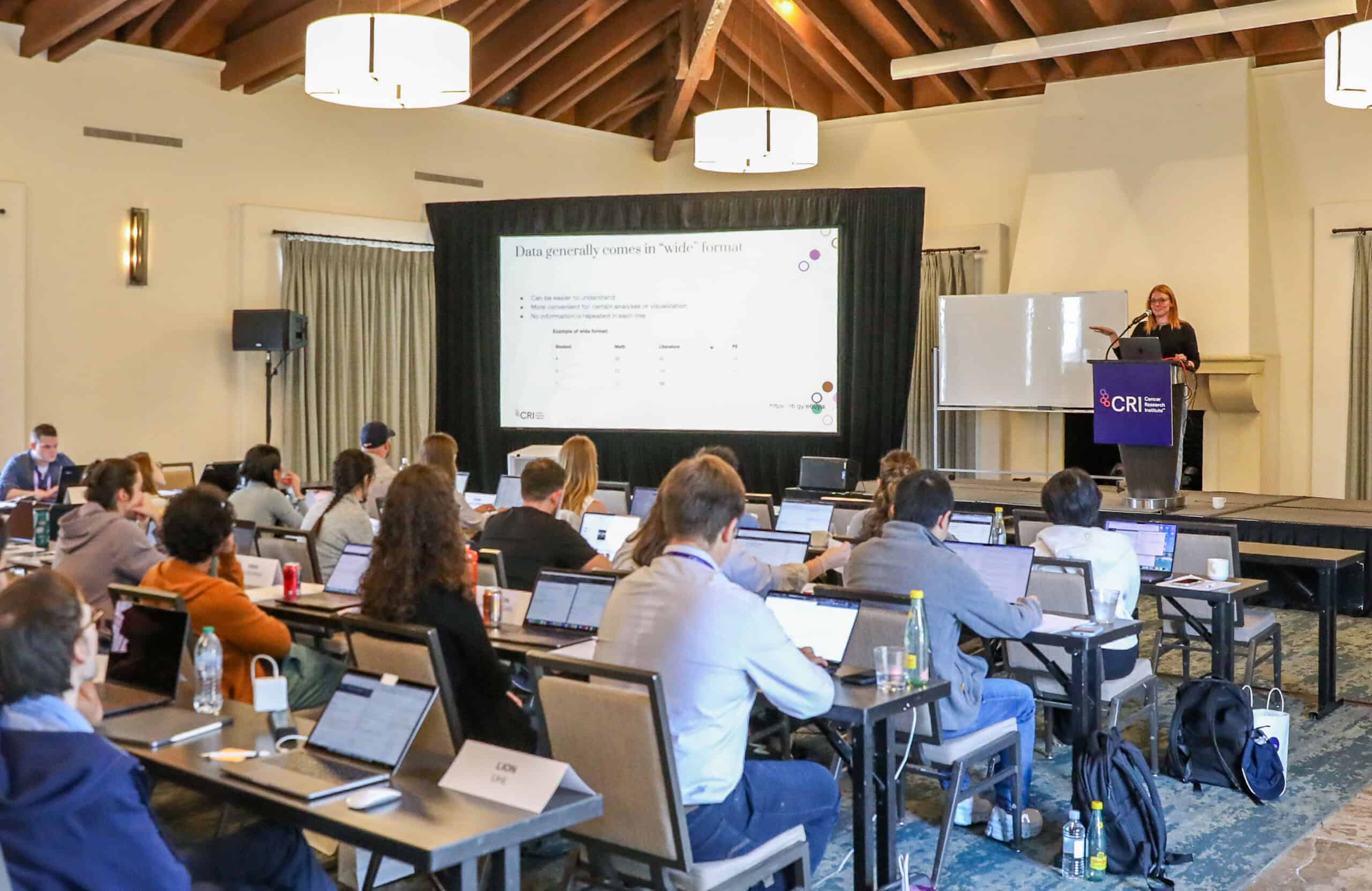
To address this critical paradigm shift, the Cancer Research Institute (CRI) hosted its third annual Bioinformatics Bootcamp from May 16–22, 2026. Held at the scenic La Cantera Resort in San Antonio, Texas, the event convened more than 50 fellows and students for a week of intensive, hands-on training designed to empower the next generation of immunotherapy pioneers.
The New Frontier: Why Bioinformatics Matters
The modern cancer researcher is no longer just a scientist; they are a data architect. With the advent of technologies like next-generation sequencing (NGS) and single-cell RNA sequencing, the sheer volume of data generated in a single experiment can be overwhelming. Without the ability to extract meaningful biological insights from these massive datasets, potential breakthroughs in immunotherapy risk being lost in the noise.
The CRI Bioinformatics Bootcamp was established to bridge this gap. By providing a structured, rigorous curriculum, the program transforms early-career scientists into "bilingual" researchers capable of navigating both the physical complexities of biological systems and the digital complexities of computational analysis.
Chronology of the 2026 Bootcamp: A Week of Immersion
The 2026 edition of the Bootcamp was structured as a week-long marathon of skill acquisition and intellectual exchange, designed to build proficiency through both didactic learning and individual application.
Phase 1: Foundations and Frameworks (May 16–17)
The initial days were dedicated to establishing a baseline of computational literacy. Recognizing that attendees come from diverse backgrounds—many with limited prior training in coding—the faculty focused on the fundamentals of programming and the logic behind data structures. This ensured that every participant, regardless of their starting point, could build a solid foundation before diving into advanced applications.
Phase 2: Core Competencies and Technical Deep-Dives (May 18–19)
Mid-week, the curriculum shifted to the "bread and butter" of bioinformatics. Participants engaged in intensive workshops on:
- Next-Generation Sequencing (NGS) Analysis: Mastering the pipeline from raw sequence data to actionable clinical insights.
- Single-Cell Technologies: Navigating the resolution of individual cells to understand tumor heterogeneity and immune responses.
- Data Visualization: Learning how to render complex multidimensional data into clear, communicable narratives.
- Computational Workflows: Streamlining repetitive tasks to improve efficiency and reproducibility.
Phase 3: Applied Research and Peer Collaboration (May 20–22)
The final days were defined by a "lab-to-laptop" approach. Participants were encouraged to bring their own research datasets to the Bootcamp, working one-on-one with expert faculty. This allowed researchers to apply their newly learned skills to their own ongoing projects, effectively turning the training environment into a real-world incubator for scientific discovery.
Expert Perspectives: The Faculty and TA Experience
The success of the Bootcamp relies heavily on a cadre of experts who have cultivated the curriculum over the past three years. This year’s faculty included five bioinformatics veterans, four of whom have been with the program since its inception. Their consistency has allowed the Bootcamp to evolve in tandem with the technology it teaches.
Dr. Katie Campbell, a faculty member, noted the deliberate balance between rapid technological adaptation and foundational thought. "When we started the bioinformatics bootcamp just three years ago, we really focused on the basics and the fundamentals of programming," Dr. Campbell observed. "With the rapid pace of technology, there’s a rapid pace of the tools available to analyze. We have to think about how we accelerate not just the discovery but the analysis, without taking away the necessary thought processes that have to be intrinsic to the fellows as they take on this research."
The teaching assistants (TAs) played a pivotal role in this process, providing granular, real-time guidance. Christie Chang, a TA at the event, highlighted the symbiotic relationship between laboratory and computational work. "The Bootcamp is important because it’s really bridging the gap across two fields of the wet lab and the dry lab," Chang said. "As technologies are evolving, we’re generating large data sets, and we need computational tools to be able to understand more complex pictures."
Innovative Programming: Expanding the Scope
To maximize the impact of the week, the 2026 organizers introduced several new structural elements designed to foster community and address the professional needs of the attendees.
Lunch-Hour Roundtables
Small, intimate sessions—capped at 18 participants—provided a space for deep-dives into specialized topics. These included:
- Experimental Design: How to plan biological experiments with future data analysis in mind.
- Career Pathways: Mentorship on navigating the dual-track career of a bioinformatics-proficient immunologist.
- Grant Planning: Strategic advice on incorporating bioinformatics components into funding proposals.
- Reproducibility: Best practices for ensuring that code and data analysis are transparent and repeatable.
Evening Technical Symposia
The evenings were dedicated to the cutting edge of the field. Sessions on the integration of Artificial Intelligence (AI) in research and advanced Python coding techniques provided a glimpse into the future of the discipline. As Dr. Maryam Pourmaleki, a TA at the event, remarked, "In today’s time, a lot of science is moving towards big data. The Bootcamp is giving those scientists the necessary tools to work with big data."
Implications: The Long-Term Impact on Oncology
The implications of the CRI Bioinformatics Bootcamp extend far beyond the walls of the La Cantera Resort. By demystifying advanced analytical tools, the program is effectively raising the "computational literacy" of the entire cancer research community.
1. Accelerating Discovery
By equipping researchers with the ability to analyze their own data immediately, the time-to-discovery is drastically reduced. Researchers no longer need to rely solely on external bioinformaticians to process every nuance of their experiments, allowing for a more agile, iterative scientific process.
2. Enhancing Interdisciplinary Collaboration
The Bootcamp creates a common language between the bench and the screen. When a biologist understands the constraints of data, and a computational scientist understands the nuances of biological samples, the resulting collaborations are significantly more productive.
3. Professional Empowerment
For many attendees, the Bootcamp provides a much-needed boost in confidence. As Dr. Tara Muijlwijk, a CRI Dr. Keith Landesman Memorial Fellow, noted, the experience is about more than just technical skills. "It’s super important to zoom out from your own research," she said. "The Bootcamp is really a great way to zoom out and to think about, okay, what am I doing, why am I doing this, and also to connect with other people, which is super important in research."
The Verdict: A Systematic Approach to Learning
Perhaps the most significant takeaway from the 2026 Bootcamp is the emphasis on systematic learning. In an age where researchers are increasingly tempted to rely on AI-driven shortcuts or superficial coding solutions, the CRI program insists on a deeper understanding of the underlying principles.
Dr. Jia Yu (Jennifer) Ye, an attendee and CRI Immunoinformatics Postdoctoral Fellow, captured this sentiment perfectly: "It’s just such an amazing opportunity offered by CRI to really help learn all of the informatics skills more systematically, rather than just chatting with an AI engine."
Conclusion: Investing in the Future
The CRI Bioinformatics Bootcamp is more than a week of training; it is a strategic investment in the future of cancer immunotherapy. By fostering a culture of curiosity, collaboration, and rigorous computational practice, the Cancer Research Institute is ensuring that the next generation of scientists is not only equipped to handle the data of today but is prepared to define the breakthroughs of tomorrow. As these 50-plus fellows return to their laboratories across the country, they bring with them a new toolkit—and a new perspective—that will undoubtedly contribute to a deeper understanding of cancer and, ultimately, more effective, personalized treatments for patients worldwide.