Introduction: The Urgent Need for Innovation
In the landscape of modern oncology, the treatment of lymphoma has undergone a remarkable metamorphosis. Over the past two decades, the introduction of targeted therapies and monoclonal antibodies has transformed once-fatal diagnoses into manageable, or even curable, conditions. Yet, beneath this veneer of broad success lies a sobering reality: not all patients are benefiting from these breakthroughs.
For Dr. Federico Mario Aletti, a physician-scientist at The University of Texas MD Anderson Cancer Center, this disparity is not merely a statistical outlier—it is a clinical imperative. While many B-cell lymphoma patients see high rates of long-term remission, those diagnosed with aggressive T-cell lymphomas often find themselves navigating a limited therapeutic landscape. With the support of the Lymphoma Research Foundation, Dr. Aletti is spearheading a bold initiative to close this gap, focusing on the development of highly specific CAR T-cell therapies designed to turn the tide against some of the most stubborn malignancies.
The Genesis of a Mission: A Chronology of Clinical Insight
The Italian Residency: Witnessing the Limitations
The foundation of Dr. Aletti’s current research was laid during his formative years as a resident at San Raffaele Hospital at the Università Vita-Salute San Raffaele in Milan, Italy. It was there that he first confronted the harsh limitations of standard-of-care protocols.
"As I cared for individuals with T-cell lymphomas, I was struck by how limited the available treatment options remained and how often conventional chemotherapy failed to provide meaningful benefit," Dr. Aletti recalls. The residency years are often characterized by long hours and technical learning, but for Aletti, they were defined by the human element of medicine. "Sitting with patients and families facing aggressive disease with few alternatives was one of the most challenging experiences of my training and left a lasting impression on me."
The Transition to MD Anderson
Recognizing that the laboratory was the only venue where he could truly shift the paradigm for his patients, Dr. Aletti moved to the United States to join the esteemed faculty at The University of Texas MD Anderson Cancer Center. This transition marked a shift from clinical observation to active investigation. By integrating into one of the world’s most advanced cancer research environments, Aletti sought to bridge the "bench-to-bedside" divide, ensuring that his scientific inquiries were fueled by the real-world suffering he witnessed in the clinic.
The Science of Precision: Targeting KIR3DL2
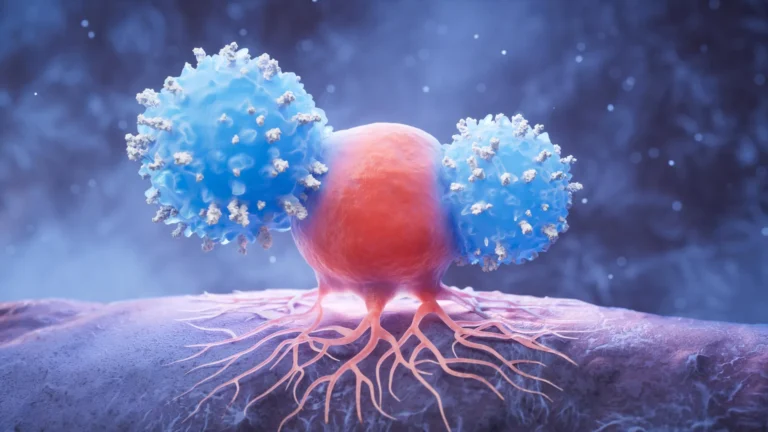
At the heart of Dr. Aletti’s current research is the development of a chimeric antigen receptor (CAR) T-cell therapy—a form of immunotherapy where a patient’s own immune cells are re-engineered to recognize and destroy cancer cells.
Why T-Cell Lymphomas are Unique
T-cell lymphomas (TCLs) represent a diverse group of malignancies that arise from T-cells, which are the very cells intended to protect the body from infection. Because the cancer cells themselves are T-cells, creating a therapy that targets the malignancy without destroying the healthy immune system is an immense technical hurdle. Standard therapies often fail because they are not sufficiently selective, leading to high toxicity or the inadvertent destruction of the patient’s healthy T-cells.
The KIR3DL2 Breakthrough
Dr. Aletti’s research focuses on a specific, novel target: KIR3DL2. By focusing his CAR T-cell construct on this specific surface protein, Aletti aims to solve the "selectivity problem." If successful, the therapy will act as a precision-guided missile, identifying and eliminating lymphoma cells while sparing the surrounding healthy tissue. This approach is intended to significantly reduce the "off-target" effects—the dangerous side effects that often force oncologists to lower doses or discontinue treatment entirely in traditional settings.
Supporting Data and the Translational Imperative
The shift toward translational medicine—the process by which laboratory discoveries are quickly converted into clinical applications—is the hallmark of Dr. Aletti’s work. His research is supported by a robust framework of institutional backing and the Lymphoma Research Foundation.

Integrating Research and Clinical Care
Dr. Aletti rejects the notion that the physician and the researcher must exist in separate silos. "For me, clinical care and research are not separate paths but complementary and equally essential components of meaningful progress," he notes. This philosophy is reflected in his methodology:
- Clinical Origin: His research questions are derived directly from the bedside.
- Scientific Rigor: The construction of the CAR T-cell therapy adheres to the highest standards of molecular oncology.
- Iterative Feedback: Insights gained from early-stage modeling are used to refine the therapeutic construct, ensuring that when the therapy reaches human trials, it is as safe and effective as current technology allows.
Official Perspectives: The Philosophy of Patient-Centered Innovation
In a recent series of reflections, Dr. Aletti outlined the strategic goals that drive his laboratory. His approach is characterized by a commitment to both the patient’s quality of life and the pursuit of scientific excellence.
"I aim to continuously deepen both my clinical and scientific expertise, to remain closely connected to patients and their experiences, and to foster a research environment where creativity drives the development of new therapeutic strategies," he stated.
For the medical community, Dr. Aletti’s work represents a broader trend in oncology: the move away from "one-size-fits-all" chemotherapy and toward modular, patient-specific immunotherapies. By focusing on novel targets like KIR3DL2, he is not just looking for a new drug; he is looking for a new way to deliver medicine.
Implications for the Future of Lymphoma Care
Impact on Patient Outcomes
If the research into KIR3DL2-targeted CAR T-cell therapy proves successful, the implications for patients with aggressive T-cell lymphoma are profound. Currently, these patients often face a grim prognosis once first-line therapies fail. A successful immunotherapy could provide a "bridge" to long-term remission, offering a viable alternative to harsh chemotherapeutic regimens and potentially acting as a curative-intent therapy for those who have exhausted all other options.
A New Model for Physician-Scientists
Dr. Aletti’s career path serves as a blueprint for the next generation of hematologist-oncologists. His career demonstrates that the most effective way to address the shortcomings of modern medicine is to return to the root cause: the lack of targeted biological tools. By maintaining a foot in both the clinic and the lab, he ensures that the urgency of the patient experience remains the primary motivator for scientific innovation.
The Road Ahead
While the development of CAR T-cell therapy is a complex, multi-year endeavor, the preliminary work being conducted at MD Anderson is promising. The next phases of the research will likely involve rigorous preclinical testing, followed by the pursuit of phase I clinical trials.
"My ultimate goal," Aletti concludes, "is for these elements to converge in the delivery of high-quality, patient-centered care, ensuring that scientific innovation translates into tangible benefits for individuals affected by lymphoma."
Conclusion
The story of Dr. Federico Mario Aletti is one of persistence, empathy, and scientific rigor. By turning the trauma of his early clinical experiences into the driving force for his research, he is helping to ensure that the successes seen in other areas of lymphoma treatment are eventually mirrored in the treatment of aggressive T-cell malignancies. As his work continues to evolve, it offers a beacon of hope for patients and families who are currently waiting for the next major breakthrough in cancer care. Through the combination of targeted immunotherapy and a deep, unwavering commitment to the patient experience, the future of T-cell lymphoma treatment is becoming clearer, more precise, and more promising than ever before.