Introduction: A New Frontier in Precision Oncology
The landscape of cancer treatment has been fundamentally altered by the advent of immunotherapy, often hailed as the "fourth pillar" of oncology alongside surgery, chemotherapy, and radiation. However, for a subset of patients suffering from Epstein-Barr virus (EBV)-associated lymphomas, this pillar has remained frustratingly out of reach. These aggressive malignancies frequently evade the immune system by hiding their viral signatures, rendering standard immune-based therapies ineffective.
Enter Dr. Herman Van Besien, MD, an Oliver W. Press, MD, PhD Memorial Fellow at Weill Medical College of Cornell University. His groundbreaking research aims to do the impossible: coax dormant viral markers back to the surface of cancer cells, effectively "unmasking" them to the immune system. By bridging the divide between cellular therapy and viral oncology, Dr. Van Besien is working toward a future where aggressive lymphomas are no longer death sentences, but manageable—or even curable—conditions.
Main Facts: The Challenge of the "Invisible" Tumor
EBV is a common human virus, but in certain contexts, it can trigger the development of aggressive lymphomas. The central problem in treating these cancers is the biological phenomenon of immune evasion.
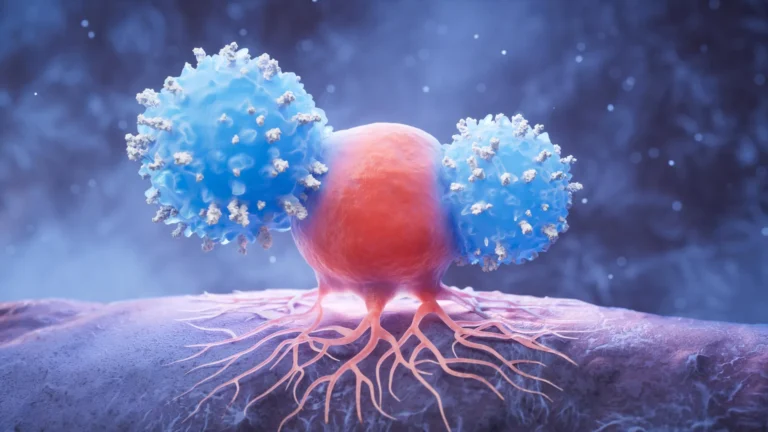
Current immunotherapies—such as checkpoint inhibitors and CAR T-cell therapies—rely on the ability of the immune system to recognize specific targets on the surface of tumor cells. In many EBV-associated lymphomas, the virus exists in a latent state, suppressing the expression of viral proteins that would otherwise serve as "red flags" for the immune system.
Dr. Van Besien’s research centers on a process of "viral reactivation." His methodology involves:
- Targeting Latency: Developing molecular interventions to force lymphoma cells to express specific EBV antigens.
- Enhanced Recognition: By making these viral markers visible, he allows engineered T-cells to identify and destroy the malignant cells with precision.
- Reduced Toxicity: By increasing the efficacy of targeted immunotherapies, the ultimate goal is to move away from systemic, high-dose chemotherapy, which often carries debilitating side effects for patients.
Chronology: A Trajectory Defined by Compassion and Innovation
The path to this research began long before Dr. Van Besien entered the laboratory at Weill Cornell. His trajectory is a synthesis of familial influence and rigorous academic discipline.
The Foundation (Early Life and Medical School)
Born into a family of hematologist-oncologists, Dr. Van Besien’s upbringing was defined by the clinical reality of cancer care. Watching his parents navigate the emotional and physical complexities of their patients’ lives instilled in him a profound sense of duty and compassion. This, combined with an early aptitude for the biological sciences, propelled him into medicine.
The Rise of Immunotherapy
During his residency, Dr. Van Besien witnessed a paradigm shift. As he puts it, he entered the field at a time when immunotherapy had solidified its place as a pillar of cancer therapy. He became particularly fascinated by adoptive T-cell therapy—a process where a patient’s own immune cells are collected, modified, and reintroduced to fight disease.
Mentorship and Professional Maturity
A pivotal moment in his career was his participation in the Lymphoma Scientific Research Mentoring Program. This program served as a crucible for his professional identity, allowing him to refine his research focus. It was here that he began to synthesize his dual interests: the cellular biology of lymphoma and the potential of viral-directed immune responses. Today, as the Oliver W. Press, MD, PhD Memorial Fellow, he is positioned at the nexus of clinical practice and laboratory research.
Supporting Data: The Science of Reactivation
To understand the significance of Dr. Van Besien’s work, one must look at the data regarding EBV latency. Studies have consistently shown that when EBV-positive cells are in a state of deep latency, they are essentially invisible to the host’s cytotoxic T-cells.
The "reactivation" strategy utilizes pharmacological agents to alter the epigenetic landscape of the cancer cell. By inhibiting the enzymes that keep viral genes silenced, the research team can induce the expression of "immunogenic" viral proteins.
Why This Matters for Patient Eligibility
Currently, the pool of patients eligible for immunotherapy is limited by the "marker density" of their tumors. If a tumor does not express the requisite surface proteins, immunotherapies fail. Dr. Van Besien’s work suggests that if we can artificially increase this density, we can:
- Expand the Patient Pool: Increase the number of patients who qualify for T-cell therapy.
- Improve Response Durability: Create a more robust, long-term immune memory against the cancer.
- Minimize Collateral Damage: Drastically reduce the dependence on cytotoxic drugs that damage healthy tissues.
Official Responses and Strategic Vision
The medical community has taken note of the potential inherent in the "Van Besien approach." Leaders in the field of lymphoma research suggest that his work addresses one of the most stubborn hurdles in current oncology.
"I feel very fortunate to have the continued support of the Foundation," Dr. Van Besien remarked during a recent press briefing. "This support inspires me to continue along the challenging path of a physician-scientist. The goal is not just to publish findings, but to translate them into clinical reality."
His strategy for the next five years is ambitious:
- Pre-clinical Validation: Finalizing the models that demonstrate the safety of viral-directed reactivation.
- Translational Pipeline: Working toward the initiation of Phase I clinical trials.
- Combinatorial Therapy: Studying his viral-directed cellular therapies in conjunction with existing, FDA-approved drugs to create synergistic effects.
Implications: The Road Toward a Cure
The implications of Dr. Van Besien’s research extend far beyond the treatment of EBV-associated lymphomas. If successful, his model of "forced protein expression" could be applied to other viral-associated cancers, and potentially even to solid tumors that are currently resistant to immunotherapy.
Changing the Patient Experience
The current standard of care for many aggressive lymphomas involves aggressive, multi-agent chemotherapy regimens. These treatments are physically taxing and often result in long-term health complications. By refining immunotherapies, Dr. Van Besien is essentially working to make cancer treatment "smarter" rather than "harder."
The Physician-Scientist’s Philosophy
Dr. Van Besien’s approach is rooted in a fundamental belief in the human immune system. "I continue to be inspired by the clever and creative ways that we are using the immune system to fight lymphoma," he says. "I am confident that we will continue to refine these therapies in ways that will eventually lead to a cure."
This optimism is balanced by the sobering reality of the laboratory. He acknowledges that the road is difficult, requiring years of meticulous testing and regulatory hurdles. However, he views the challenge as a necessity. In his view, the physician-scientist is uniquely positioned to bridge the gap between the bench and the bedside, ensuring that the innovation discovered under the microscope is translated into years of life for the patient in the exam room.
Conclusion
As we look toward the future of hematology, the work of researchers like Dr. Herman Van Besien serves as a beacon of progress. By looking at the "invisible" enemies within our cells and finding ways to illuminate them, he is providing a blueprint for the next generation of cancer therapy.
The transition from lab-based discovery to clinical-grade therapy is rarely a straight line, but with the support of the research community and a steadfast commitment to innovation, the dream of curing EBV-associated lymphomas feels closer than ever. For patients and families facing the uncertainty of a lymphoma diagnosis, Dr. Van Besien’s work represents something far more tangible than just data—it represents the hope for a future defined by precision, efficacy, and, ultimately, a cure.