






In the landscape of modern neuropsychiatry, chronic insomnia remains a formidable adversary. Beyond the immediate toll of daytime fatigue, it is deeply intertwined with hyperarousal, emotional dysregulation, and a cascade of comorbidities that degrade long-term neurological health. For decades, the medical community has relied heavily on pharmacotherapy and cognitive behavioral therapy (CBT-I). However, a breakthrough in bioelectronic medicine is offering a new path forward.
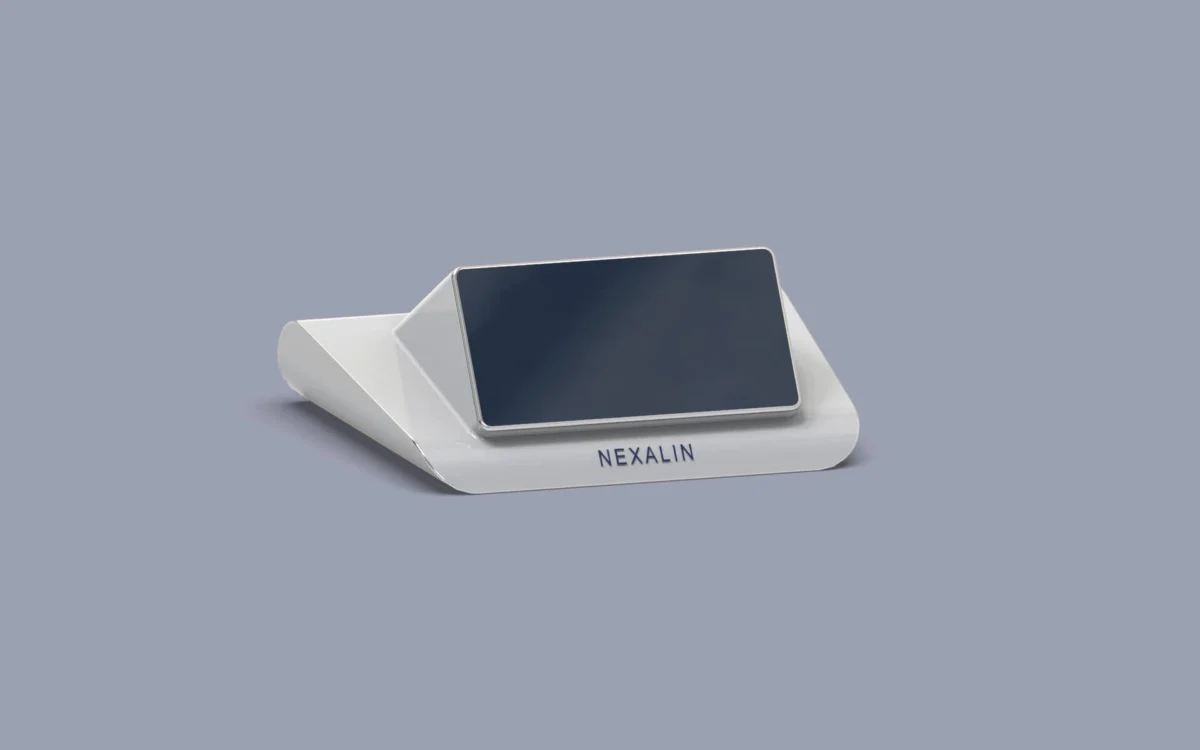
Nexalin Technology Inc. has officially announced the publication of a landmark peer-reviewed study in Psychotherapy and Psychosomatics. This study provides robust evidence that the company’s proprietary Deep Intracranial Frequency Stimulation (DIFS) technology does not merely mask symptoms but actively modulates the brain networks responsible for the pathology of insomnia.
The Core Clinical Findings: A Statistical Shift
The randomized, double-blind, sham-controlled trial serves as a cornerstone for Nexalin’s ongoing mission to redefine neurostimulation. By isolating the effects of their high-power 15 mA, 77.5 Hz stimulation, researchers were able to quantify both clinical outcomes and structural brain changes.
The primary measure of success was the Pittsburgh Sleep Quality Index (PSQI), a gold-standard assessment for sleep disturbances. At the start of the four-week trial, participants in both the active and sham cohorts reported similar baseline PSQI scores of 13.8, reflecting significant sleep impairment. By the conclusion of the study, the active treatment group demonstrated a remarkable decline in PSQI scores, dropping to 7.7. This shift represents a statistically significant improvement (p < 0.001), indicating a tangible restoration of sleep quality.
In stark contrast, the sham group—those who received a non-active version of the treatment—exhibited virtually no improvement, with scores moving from 13.8 to 13.9 (p = 0.74). This divergence provides strong evidence that the therapeutic benefit is derived specifically from the DIFS protocol rather than a placebo effect.
Mechanisms of Change: Mapping the Brain’s Response
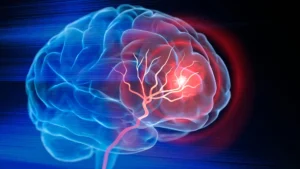
Perhaps the most compelling aspect of this study is the neuroimaging evidence. The research team looked beyond subjective reports of better sleep to observe the physical state of the brain. The data suggests that DIFS induces measurable modulation in neural activity and functional connectivity, specifically targeting areas associated with:
- Hyperarousal: The biological state of being "over-alert," which prevents the brain from transitioning into sleep.
- Emotional Regulation: The capacity to manage stress and anxiety, which are frequent precursors to insomnia.
- Self-Referential Processing: The internal monologue and awareness that often keeps the mind racing at night.
The study identified significant changes in the Default Mode Network (DMN) and the Salience/Ventral Attention networks. By modulating these critical circuits, the DIFS technology appears to "reset" the brain’s ability to enter a quiescent, restful state. This discovery is a significant leap toward understanding the underlying mechanism of action, moving the technology from an empirical observation to a mechanistically supported treatment platform.
Chronology of Development: From Concept to Clinical Validation
The path to this publication is part of a deliberate, long-term research strategy implemented by Nexalin.
- Early Development: Nexalin’s engineering focus was centered on the challenge of penetration. Traditional noninvasive neurostimulation methods often struggle to reach deep brain structures without high power, which can lead to discomfort or skin irritation. Nexalin’s proprietary DIFS was designed to overcome these physical barriers using a specific frequency range that is, notably, undetectable to the patient.
- Multicenter Validation: Before the most recent study, Nexalin established a solid foundation with a 120-participant multicenter trial, which provided the preliminary signals that led to the more rigorous, neuroimaging-heavy study published in Psychotherapy and Psychosomatics.
- The Current Pivot: With the publication of this data, the company is now positioning itself for regulatory milestones. The success of this study acts as a tailwind for the ongoing HALO Clarity trial—a pivotal study designed to provide the definitive data required for a de novo FDA submission in the United States.
- International Expansion: While awaiting the US regulatory process, the technology has already gained traction globally. The Nexalin Gen-2 15 milliamp device has received approval in multiple international markets, including China, Brazil, Oman, and Israel, signaling a growing international consensus on the efficacy of the platform.
Official Perspectives: The Leadership Vision
The publication has drawn praise from Nexalin’s leadership, who view the results as a validation of their departure from traditional neurostimulation paradigms.
Dr. David Owens, Chief Medical Officer at Nexalin, emphasized the significance of the neuroimaging evidence. "This publication represents another important scientific validation point for Nexalin and our proprietary DIFS technology," Owens stated. "We believe these findings go beyond simply suggesting symptom improvement; they also provide neuroimaging evidence indicating that our high-power, noninvasive approach may be modulating key brain networks. This combination of clinical signal and mechanistic support further strengthens the case for Nexalin’s treatment platform and reinforces the broader potential of DIFS across neuropsychiatric indications."
Mark White, CEO of Nexalin, highlighted the competitive advantages of the platform. "We believe Nexalin DIFS represents a breakthrough in neurostimulation technology," White remarked. "Unlike conventional approaches that may be limited by power, invasiveness, tolerability, or depth of engagement, DIFS is designed to deliver a differentiated, high-power, noninvasive stimulation approach that is undetectable to the human body."
White’s comments underscore a broader corporate objective: to move away from the "trial and error" nature of current mental health treatments. By providing a platform that is well-tolerated and scientifically consistent, Nexalin aims to replace or supplement existing, often burdensome, treatment regimens.
Implications for the Future of Mental Health
The implications of this study reach far beyond the treatment of chronic insomnia. If the brain networks involved in hyperarousal and emotional regulation can be successfully modulated through noninvasive frequency stimulation, the potential applications are vast.
1. Reducing the Reliance on Pharmaceuticals
Chronic insomnia is often treated with sedative-hypnotics, which carry risks of dependency, cognitive impairment, and next-day grogginess. A non-drug, bioelectronic approach offers a "cleaner" intervention that avoids systemic drug interactions and side effects, potentially increasing long-term compliance among patients.
2. Neuroplasticity and Long-term Recovery
By modulating the Default and Salience networks, Nexalin’s technology may be facilitating a form of "neuro-recalibration." This suggests that the brain can be guided back to healthy functional patterns, which might offer more durable relief than interventions that only provide temporary chemical suppression of symptoms.
3. A New Standard for Neuropsychiatry
The field of neurostimulation has long been viewed with skepticism by some, largely due to the variability in efficacy across different devices. However, the combination of high-power delivery and clear, objective neuroimaging data sets a new standard. Future trials will likely be measured against the benchmarks set by this Nexalin study.
Looking Ahead: The HALO Clarity Trial
As the company moves forward, the scientific community’s eyes are firmly fixed on the HALO Clarity trial. This study is not just an opportunity for regulatory clearance; it is the final hurdle in proving that DIFS can be a primary, frontline intervention for insomnia at scale.
For millions of patients suffering from the isolating, exhausting, and health-depleting effects of chronic insomnia, the promise of a non-invasive, high-efficacy solution is a beacon of hope. By effectively targeting the "hardware" of the brain rather than just managing the "software" of symptoms, Nexalin Technology is positioning itself at the forefront of a paradigm shift in how we treat the most complex organ in the human body.
The journey from a theoretical frequency-based stimulation model to a clinically validated, neuro-modulated therapeutic device is nearly complete. With the publication of this latest study, Nexalin has provided the evidence required to move the conversation from "what if" to "how soon." As the data continues to accumulate, the potential for DIFS to become a staple of clinical practice appears stronger than ever.