











WASHINGTON, D.C. — In a historic move that signals a paradigm shift in how the United States addresses the burgeoning youth mental health crisis, the "Campus Lifeline Act" has been officially introduced in Congress. This bipartisan legislation, the first-ever federal bill authored by the nonprofit organization Active Minds, seeks to transform college campuses into proactive hubs of mental health support. By mandating the inclusion of the 988 Suicide & Crisis Lifeline on student identification cards and increasing federal investment in youth-informed strategies, the bill aims to bridge the deadly gap between those in need and the resources available to save them.
The introduction of the bill on May 4 marks a watershed moment for youth advocacy. What began a decade ago as a grassroots proposal from a student chapter at the University of Dayton has now ascended to the halls of the U.S. Capitol, reflecting a growing national consensus: mental health resources must be as visible, accessible, and normalized as physical health services.
Main Facts: A Bipartisan Response to a National Emergency
The Campus Lifeline Act is led by a diverse bipartisan coalition, including Representatives Erin Houchin (R-IN), Lori Trahan (D-MA), David Valadao (R-CA), and Mark Pocan (D-WI). The legislation focuses on two primary pillars designed to weave mental health support into the fabric of daily student life.
First, the bill requires that the 988 Suicide & Crisis Lifeline be printed on all newly issued student ID cards at institutions of higher education. This "simple but life-saving" measure ensures that every student carries a direct link to professional help in their pocket at all times. Second, the act authorizes increased federal investment in mental health strategies that are specifically designed and informed by youth perspectives. This moves away from traditional "top-down" institutional approaches, favoring instead models that prioritize peer support, early intervention, and prevention.
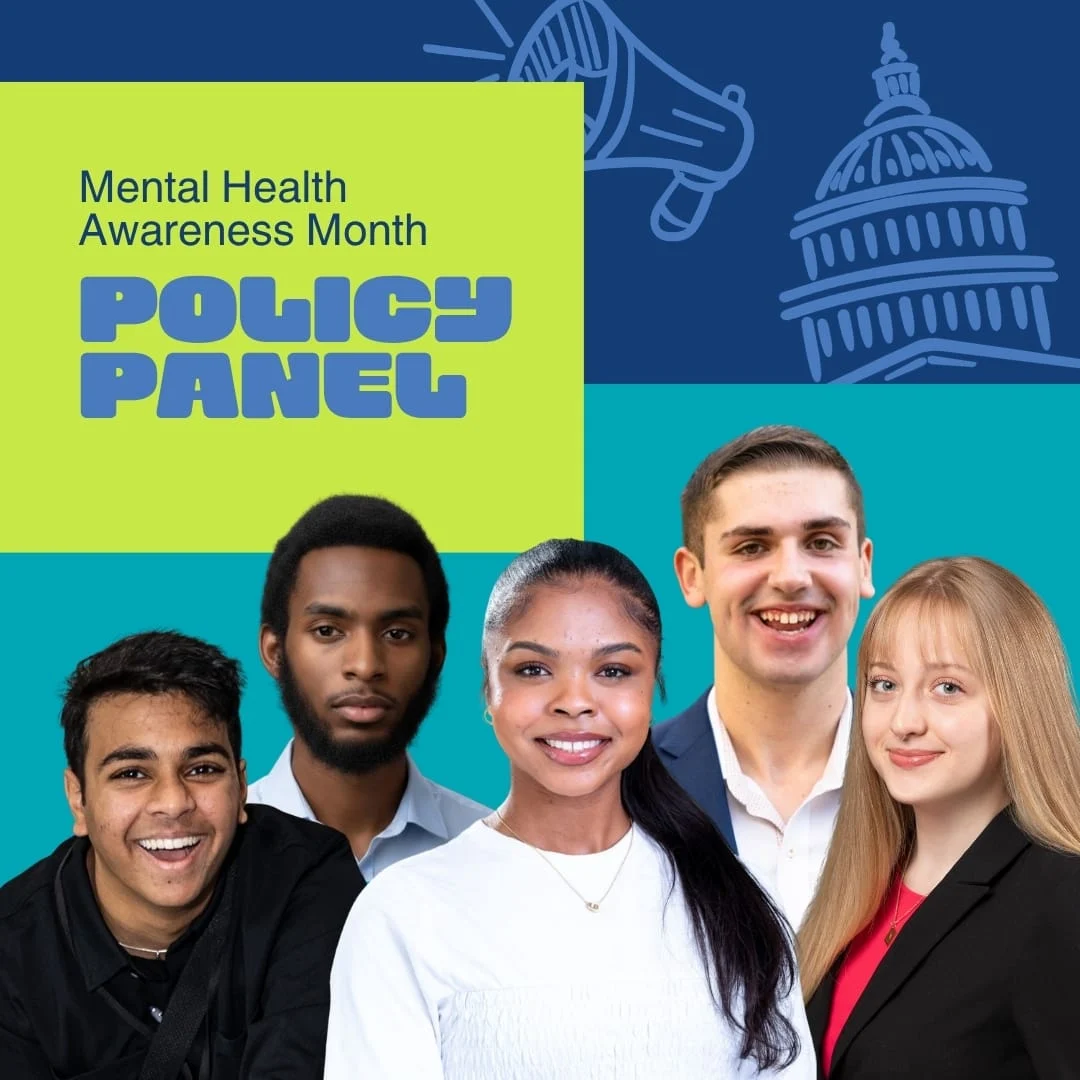
The timing of the bill’s introduction coincides with Mental Health Awareness Month and Youth Mental Health Awareness Week, highlighting the urgency of the issue. To celebrate the milestone, Active Minds hosted a high-profile congressional briefing titled "Advancing 988 and Peer Support: Youth Voices Take the Lead on Capitol Hill." The event brought together youth advocates, legislative staff, and clinical experts to discuss how systemic change can be driven by those with lived experience.
Chronology: From a Student Idea to Federal Legislation
The journey of the Campus Lifeline Act is a testament to the power of student-led organizing. Its origins trace back ten years to the University of Dayton in Ohio. Members of the local Active Minds chapter recognized a recurring problem: while resources existed, students often didn’t know how to access them in a moment of acute distress. The students proposed a simple solution—putting crisis numbers on the back of ID cards—and began a local campaign to make it a reality.
Over the next decade, the "ID Card Initiative" spread through the Active Minds network, which comprises more than 600 chapters across the country. As more universities voluntarily adopted the practice, data began to show that increased visibility led to increased utilization.
Seeing the success of these local efforts, Active Minds leadership began drafting formal legislative language to scale the initiative nationally. The organization worked closely with congressional offices to ensure the bill was not only effective but also capable of garnering bipartisan support in a polarized political climate. The result is House Bill 8657, a piece of legislation that bridges the gap between grassroots activism and federal policy.
Supporting Data: The Life-Saving Impact of Visibility
The push for the Campus Lifeline Act is underpinned by compelling new data suggesting that increased awareness of crisis resources directly correlates with a reduction in mortality. A recent study published in JAMA (The Journal of the American Medical Association) found an estimated 11% decline in youth suicide deaths following the nationwide launch of the 988 Suicide & Crisis Lifeline. This represents thousands of lives saved through the transition to a simplified, three-digit number.
However, despite these gains, the broader statistics regarding youth mental health remain staggering:
- The Treatment Gap: According to Active Minds, 67% of young adults experiencing mental health symptoms do not receive treatment.
- Late Intervention: While 75% of mental health conditions emerge by age 24, fewer than 20% of youth with diagnosable conditions receive adequate support.
- Leading Cause of Death: Suicide remains the second leading cause of death among youth aged 10–34 in the United States and the third leading cause of death globally for those aged 15–29, per CDC data.
- The Peer Factor: Research from the 2024-2025 Healthy Minds Study reveals that 67% of youth would turn to a friend first when struggling. Yet, nearly 70% of those friends report they do not feel equipped or trained to provide the necessary help.
This "disconnect" between where support begins (peer-to-peer) and where systems intervene (crisis centers) is the primary target of the Campus Lifeline Act. By making 988 ubiquitous, the bill aims to empower the "de facto" mental health system—the students themselves—with a clear, professional fallback.
Official Responses: Voices from the Front Lines
Legislators and advocates alike have emphasized that this bill is about more than just a phone number; it is about dignity and systemic validation of the youth experience.
"We have a responsibility to make sure young people know where to turn in a moment of crisis," said Representative Erin Houchin. "This bill promotes early intervention, student engagement, and life-saving mental health resources. It’s our goal to make sure every young person knows help is available."
Congresswoman Lori Trahan highlighted the bill’s connection to previous legislative efforts, such as the Garrett Lee Smith Reauthorization Act, which focused on suicide prevention programs. "By leveraging the reach of the 988 Suicide & Crisis Lifeline, we can connect more teens and young adults with the support they need… and reach more young people before a crisis becomes a tragedy," Trahan stated.
Alison Malmon, the Founder and Executive Director of Active Minds, who started the organization after losing her brother to suicide, noted that the system has historically been too reactive. "Youth and young adults are championing a new era of mental health on the front lines, yet our system still waits for crisis. Policies like the Campus Lifeline Act matter because they reflect solutions youth and young adults are already designing and leading."
Anika Rahman, Director of Policy at Active Minds, added that youth-informed policy is "not only powerful, it’s necessary." She noted that the bill represents a shift toward "practical and accessible" solutions that understand the day-to-day realities of campus life.
Representing the student perspective, Carson Domey, a student advocate on the congressional panel, shared a poignant insight: "For most youth, support doesn’t start with a professional—it starts with a friend. But we’re often expected to navigate those moments without the tools we need. Expanding access to resources like 988 and making them visible in everyday spaces is a simple step that can make a life-saving difference."
Implications: A New Era for Campus Safety and Student Advocacy
The introduction of the Campus Lifeline Act carries significant implications for the future of higher education and public health policy.
1. Institutionalizing Prevention
By embedding crisis resources into the "foundation" of campus life—the student ID—the bill moves mental health support from an "opt-in" service to a standard safety feature. This normalization is expected to reduce the stigma associated with seeking help, as the 988 number becomes as common a sight as a campus security number or a library barcode.
2. The Rise of "Youth-Informed" Governance
The bill sets a precedent for "youth-led policy solutions." If passed, it will signal to other federal and state agencies that young people should have a "seat at the table" when designing programs that affect them. This could lead to a broader trend of incorporating "lived experience" into legislative drafting across other sectors, such as climate change, education, and economic policy.
3. Strengthening the Peer Support Network
Because 67% of students go to friends first, the bill’s focus on "youth-informed strategies" likely means more funding for peer-to-peer training programs. This would help bridge the gap identified in the Healthy Minds Study, where students want to help but feel unequipped. Training students to recognize signs of distress and safely refer peers to the 988 lifeline could create a much more robust safety net than professional clinical services alone could provide.
4. Launch of the "We Mind" Campaign
Parallel to the legislative push, Active Minds is launching "We Mind," a national campaign aimed at unifying youth voices. The campaign is built on the premise that when youth unite around mental health, they become a political and social force that cannot be ignored. This indicates that even if the legislative process is slow, the cultural movement toward mental health transparency is accelerating.
5. Addressing Systemic Inequities
By providing a universal resource like 988 on all ID cards, the bill helps level the playing field for students at under-resourced institutions or those from marginalized backgrounds who may not have easy access to on-campus counseling centers.
Conclusion
The Campus Lifeline Act represents a critical evolution in the national response to the youth mental health crisis. It acknowledges that while awareness is important, it is insufficient without direct, visible pathways to care. As the bill moves through the legislative process, it serves as a reminder that some of the most effective solutions to complex social problems come from those most affected by them. By turning a decade-old student idea into federal law, Congress has the opportunity to ensure that for millions of students, help is never further away than the card in their pocket.
To learn more about the Campus Lifeline Act or to get involved with youth advocacy, visit activeminds.org.