For the estimated 65 million family caregivers across the United States, the journey is often characterized by a profound lack of centralized information. While numerous digital platforms offer guidance on niche topics—such as navigating Medicare benefits or managing the specific symptoms of Alzheimer’s disease—there has historically been a significant void in the ecosystem. Caregivers have lacked a comprehensive, accessible hub that aggregates the broader landscape of caregiving innovation, cost-saving strategies, and emerging industry trends.
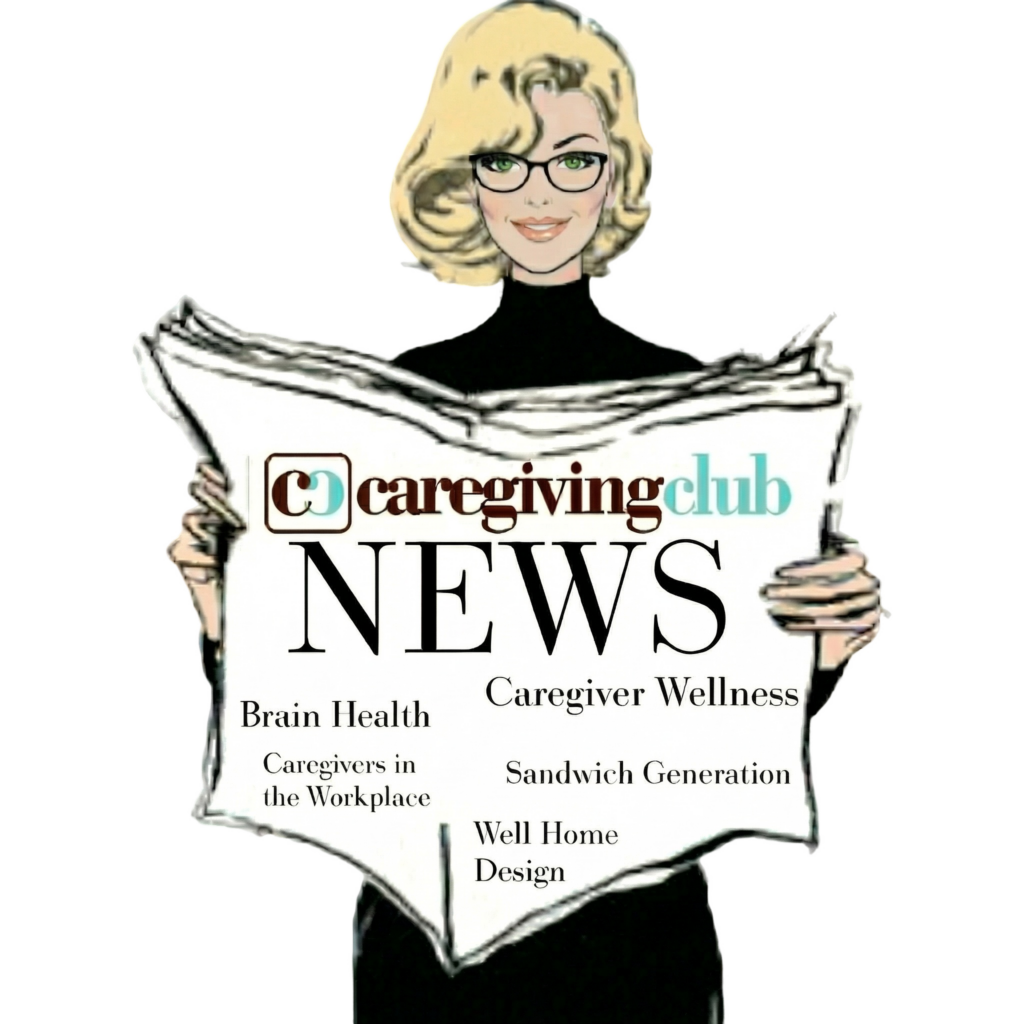
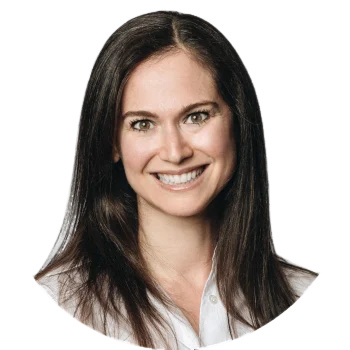
Sherri Snelling, CEO of the Caregiving Club and a veteran expert with over two decades of experience in the field, identified this critical oversight early in her career. As an author, researcher, and seasoned public speaker, Snelling observed a recurring theme during her hundreds of webinars and live engagements: even the most dedicated caregivers were frequently unaware of the vast array of support systems, technological advancements, and policy shifts that could fundamentally alter their daily lives.
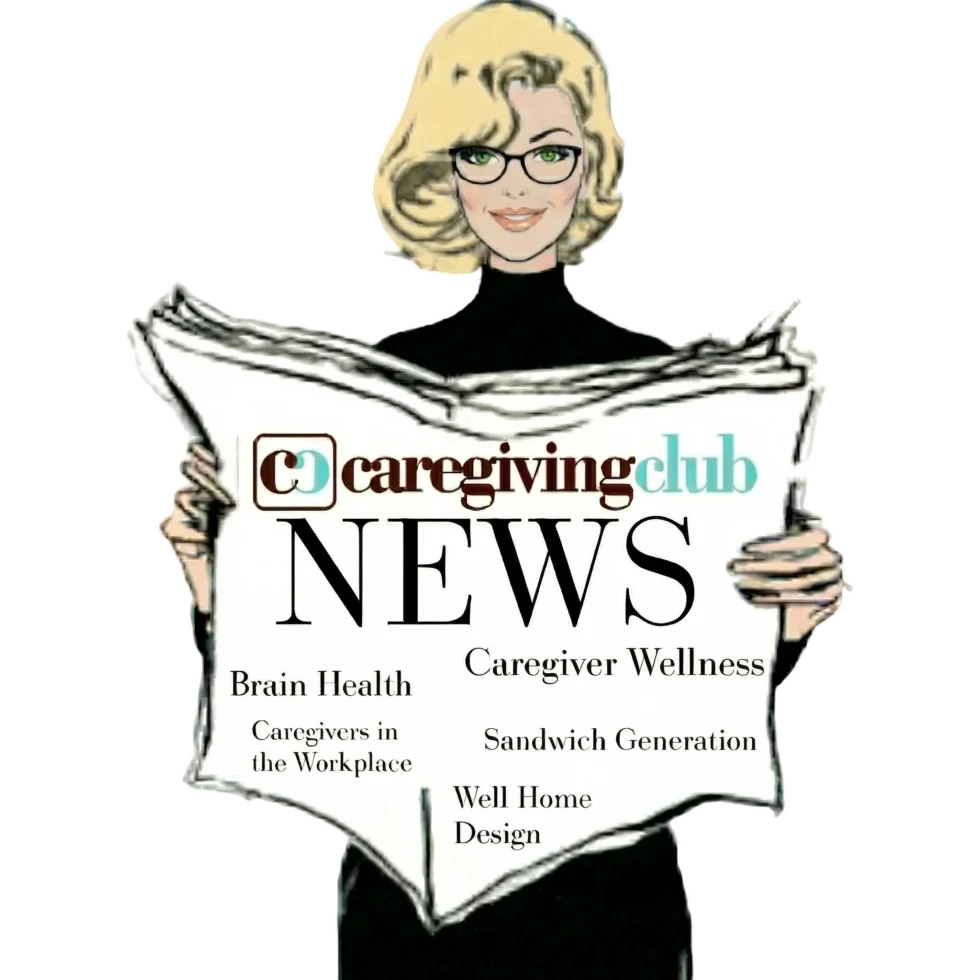
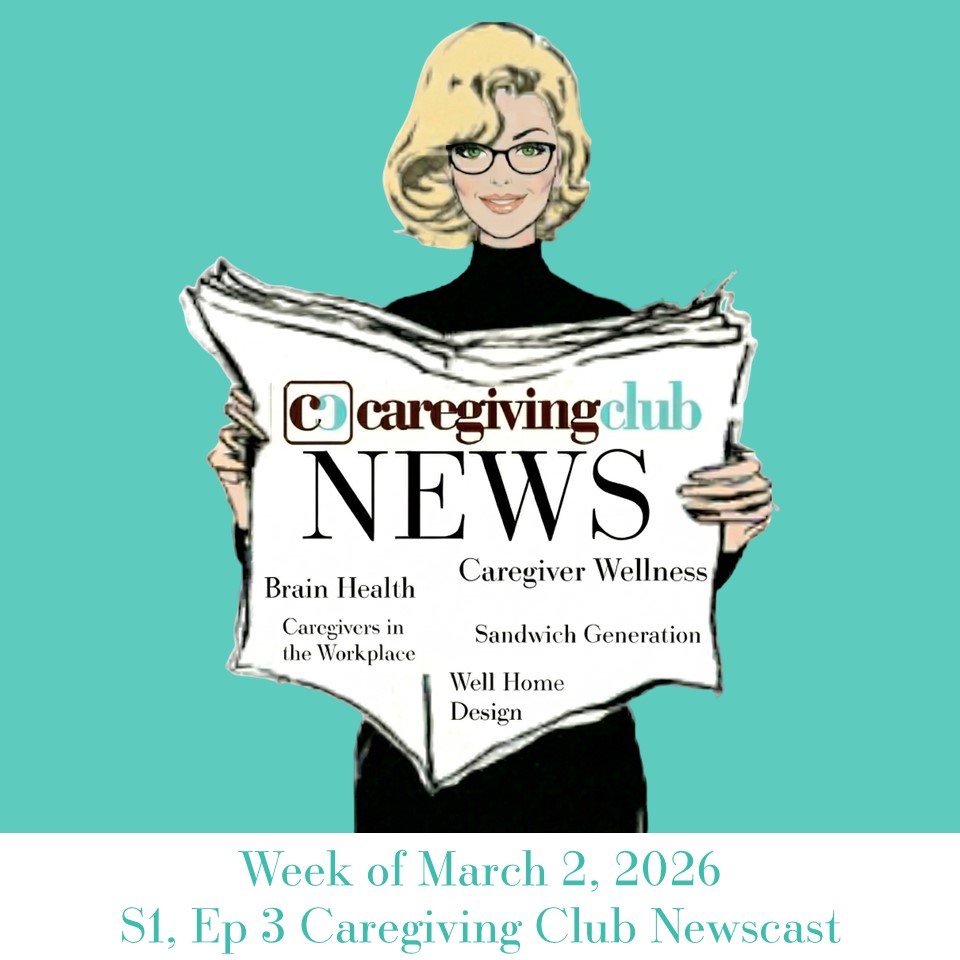
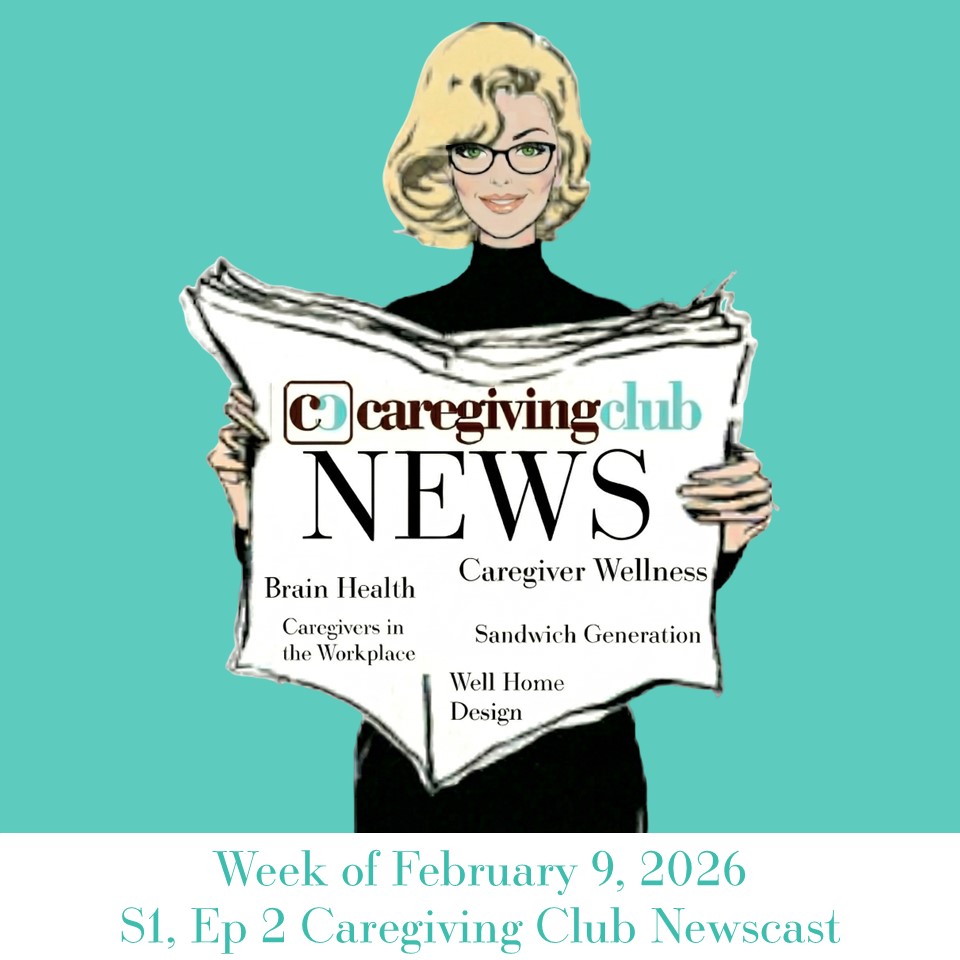
To address this, the "Caregiving Club Newscast" was launched in early 2026. This initiative represents a strategic shift from traditional long-form content to a high-frequency, news-driven format designed to empower the modern caregiver.

Main Facts: A New Era of Caregiver Advocacy
The Caregiving Club Newscast serves as a bi-weekly video resource hosted on the Caregiving Club’s official YouTube channel. The program is explicitly engineered to bypass the noise and fragmentation that plagues online search results for caregivers.

The primary mission of the newscast is to distill complex information into actionable insights. Every second Thursday, the program provides a curated update on:

- AgeTech and CareTech: Innovative hardware and software designed to assist with monitoring, safety, and independence.
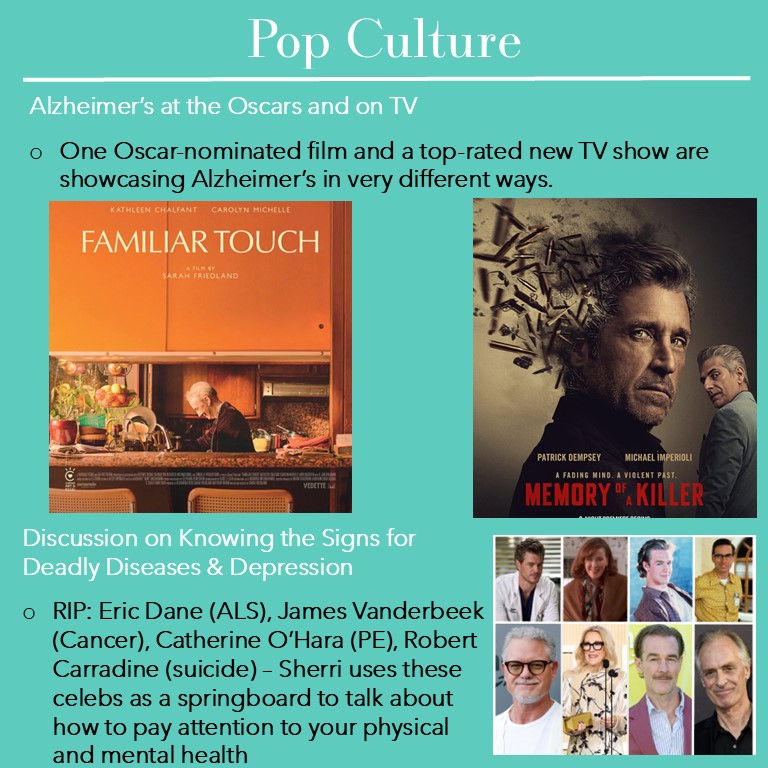
- Caregiver Wellness: New research and evidence-based practices for preventing burnout and maintaining personal health.
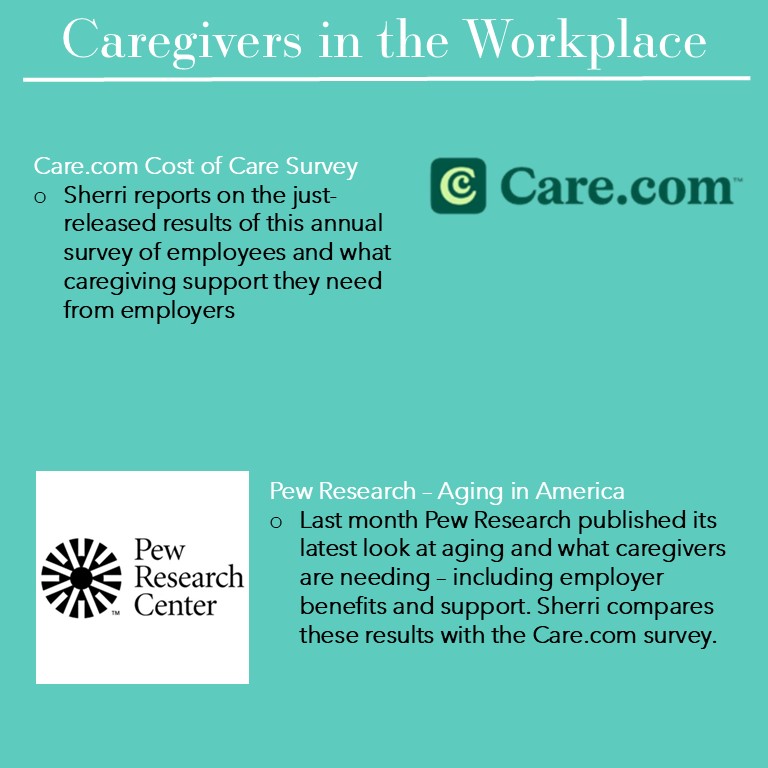
- Workplace Support: Updates on legislative progress, corporate benefits, and HR trends impacting working family caregivers.
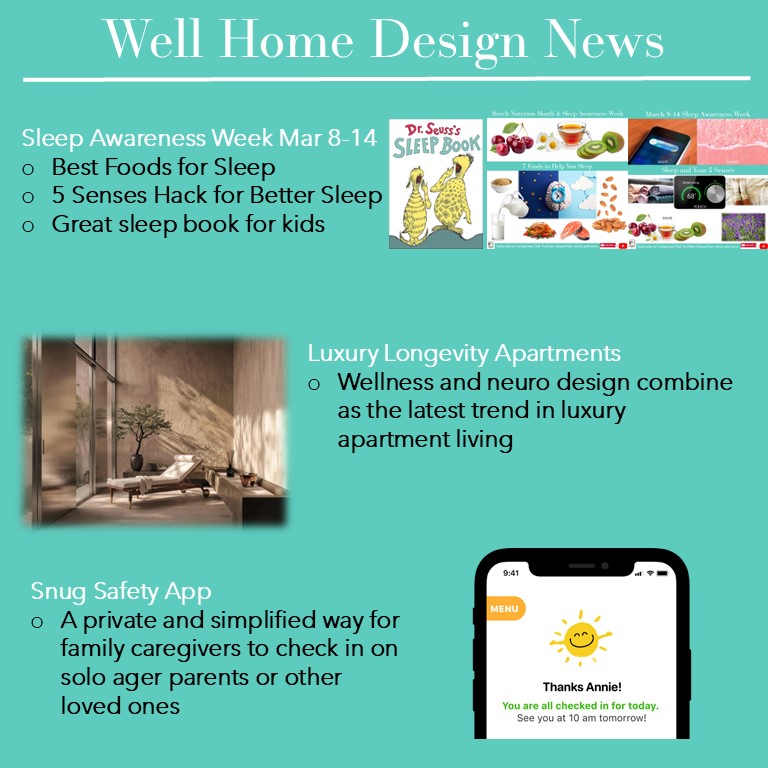
- Home Design: Practical architectural and interior modifications that foster a "well-home" environment for aging in place.
By consolidating this information into a single, reliable source, Snelling aims to save caregivers precious time—a resource that is often in shorter supply than money for those managing the demands of care.

Chronology: The Evolution of the Platform
The genesis of the Newscast was not an impulsive decision but a logical progression of the Caregiving Club’s growth. Initially, news segments were integrated into the "Caregiving Club On Air" podcast. However, as the pace of innovation in the caregiving space accelerated, it became clear that the podcast format—which focuses on deep-dive interviews and long-form storytelling—was insufficient for reporting on the rapid, evolving developments in the industry.

Launch and Early Development (January 2026)
- January 2026: The inaugural episode marked the official transition to a dedicated news-show format. This shift allowed for a more rigid, fast-paced editorial calendar.
- February – March 2026: Throughout the first quarter, the program established a consistent rhythm, with episodes 2 through 6 covering a wide gamut of topics ranging from pop-culture representations of caregiving to specific, high-tech wellness tools.
- Present Day: The show continues to expand its reach, with each episode serving as a permanent archive for caregivers to revisit as they encounter different stages of their caregiving journey.
Supporting Data: The "Hidden" World of Caregiving
The urgency for such a platform is supported by the sheer scale of the demographic. With 65 million family caregivers, the economic and social impact is staggering. However, as Snelling notes, the "hidden" nature of this population is a barrier to progress.

Research conducted by the Caregiving Club indicates that many caregivers spend an average of 20 to 40 hours per week providing unpaid care, often while balancing full-time employment. Despite the prevalence of this role, the adoption rate of modern caregiving technologies remains low. This is not due to a lack of interest, but rather a "knowledge gap."

For instance, while many caregivers are aware of basic safety devices, they remain largely uninformed about the burgeoning field of "AgeTech"—technologies that utilize AI, remote sensors, and predictive analytics to detect falls or health fluctuations before they become emergencies. By spotlighting these innovations, the Newscast acts as a bridge between the developers of these technologies and the families who need them most.

Official Perspectives: Addressing the Burnout Crisis
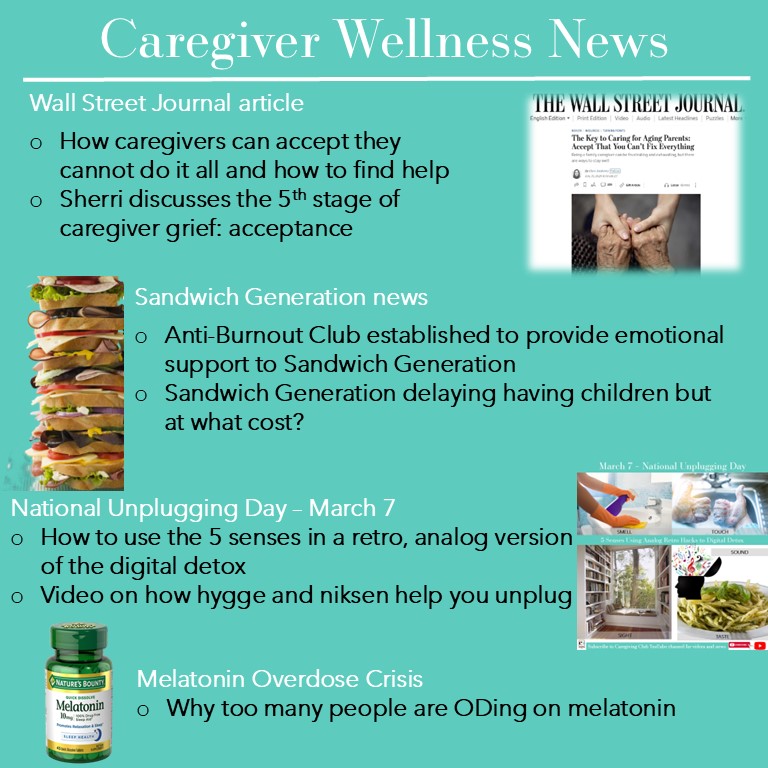
In her commentary, Sherri Snelling emphasizes that caregiving is not just a logistical challenge; it is a holistic struggle that touches on physical, mental, and professional well-being. The "Caregiver Wellness" segments of the Newscast are designed to address the high rates of depression and physical strain reported among family caregivers.

"We know that you have limited time to conduct research or read long articles," says Snelling. "Our goal is to provide a synthesis of the most relevant news that empowers caregivers to make better decisions, faster."

The program’s focus on "Workplace Caregiving" is particularly timely. As more states and federal entities discuss family leave and support policies, the Newscast provides necessary context for employees trying to negotiate caregiving flexibility with their employers. By bringing these discussions into the public discourse, the Caregiving Club is helping to normalize the dialogue around the "sandwich generation"—those caring for both aging parents and their own children.

Implications: The Future of Caregiving Support
The implications of a centralized, expert-led news source for caregivers are significant. By standardizing the quality of information available to the public, the Caregiving Club Newscast is helping to raise the baseline of care.
Empowering Informed Decision-Making
When caregivers have access to the latest research and product reviews, they are less likely to fall victim to predatory marketing or outdated practices. The vetting process provided by the Caregiving Club ensures that the recommendations are grounded in reality, not just sales rhetoric.
The Role of Technology
The shift toward AgeTech and CareTech is only expected to gain momentum. As the population ages, the reliance on digital tools will become a necessity rather than a luxury. The Newscast’s commitment to covering these trends ensures that its audience remains at the forefront of the "Silver Economy," where technology is increasingly designed with the needs of the elderly and their caregivers in mind.
Building a Community
Perhaps most importantly, the Newscast serves as a community anchor. By hosting these segments on YouTube, the platform encourages interaction, allowing caregivers to share their own experiences in the comments, ask questions, and offer support to one another. This community-driven aspect transforms the act of watching the news into a form of self-care—a reminder that they are not navigating this challenging path alone.
How to Engage
For those seeking to stay informed, the process is straightforward. The Caregiving Club encourages subscribers to engage with their YouTube channel, where they can find not only the Newscast episodes released every other Thursday but also:
- Me Time Monday: A series dedicated to self-care in 7-minute increments, recognizing that even the busiest caregiver can carve out a small window for mental health.
- Educational Webinars: In-depth sessions on legal, financial, and medical aspects of care.
- Archived Episodes: A repository of Season 1 content, categorized by topic, allowing viewers to search for specific solutions as their needs change.
As we look toward the future of caregiving, the necessity for trusted, curated information will only continue to grow. The Caregiving Club Newscast is positioning itself as an essential tool for the modern family caregiver—a beacon of clarity in a complex and often overwhelming landscape. By staying informed, caregivers can not only provide better care for their loved ones but also ensure that they maintain their own well-being throughout the process.
"Our goal," says Snelling, "is to help you on your caregiving journey to take care and stay well." In a world where the demands on caregivers are ever-increasing, this mission has never been more vital.