





The pharmaceutical landscape for chronic spontaneous urticaria (CSU)—a debilitating condition characterized by persistent, itchy hives—may be on the cusp of a significant transformation. Celldex Therapeutics, a company that has undergone a radical strategic pivot from oncology to immunology, recently released Phase 3 clinical trial data for its lead drug candidate, barzolvolimab.
While the efficacy metrics reported in the trial are being hailed by some analysts as the most impressive seen to date in the field, the results have been tempered by safety concerns, specifically regarding two documented cases of life-threatening anaphylaxis. As Celldex prepares for an FDA filing in 2025, the medical community is weighing the transformative potential of this therapy against the inherent risks associated with its unique mechanism of action.
Main Facts: A New Frontier in Immunology
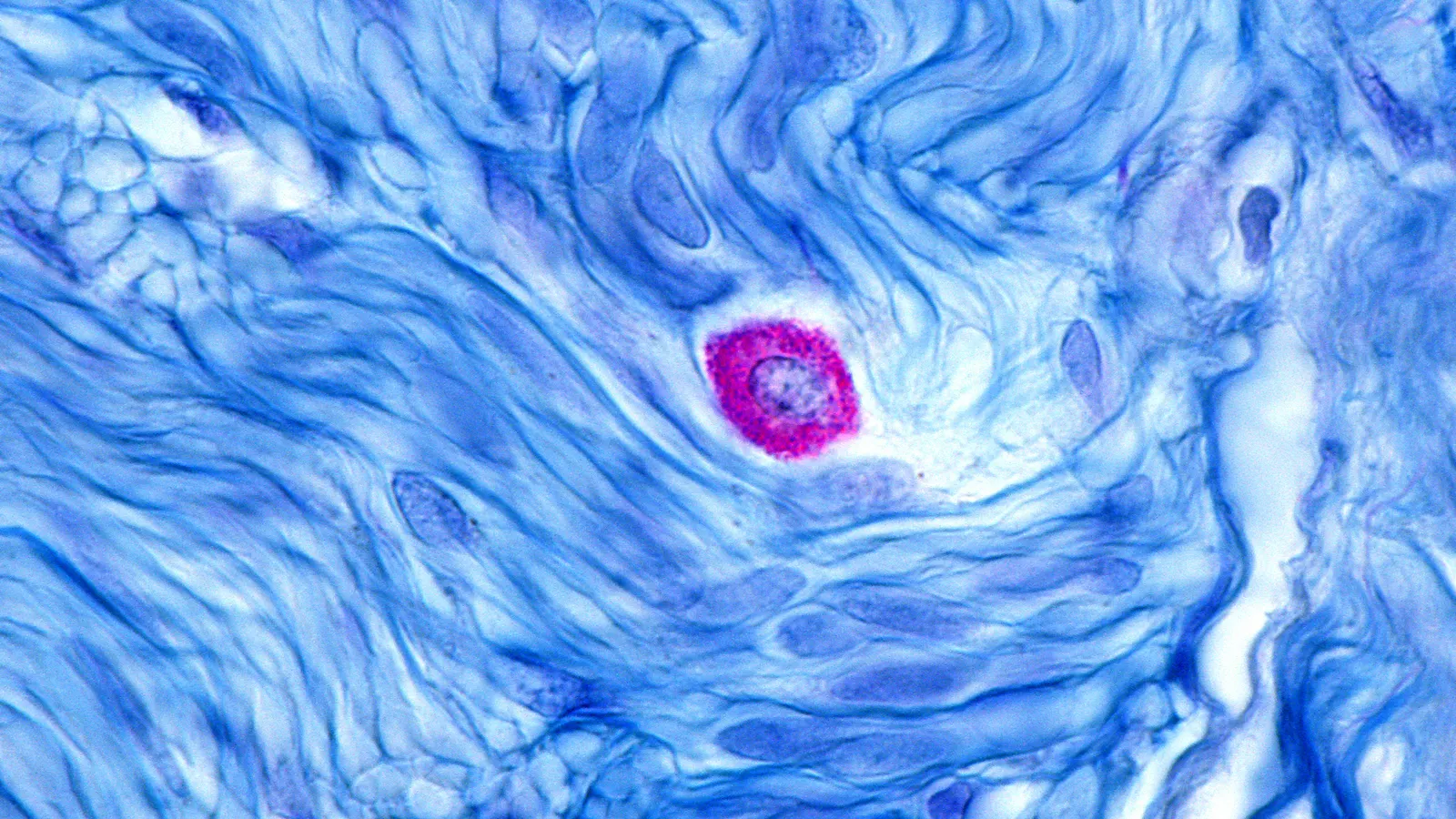
Barzolvolimab represents a novel approach to treating inflammatory skin conditions. Unlike traditional antihistamines or older biologics that target downstream inflammation markers, barzolvolimab is a monoclonal antibody designed to inhibit the KIT receptor. By doing so, it effectively reduces the number of mast cells—the primary drivers of the allergic response and hive formation in CSU patients.
The recently released data from two large-scale, 24-week trials involving nearly 2,000 patients who were previously unresponsive to antihistamines highlights the drug’s potential. The results were striking: roughly 50% of patients receiving the active treatment achieved a "complete response," defined as the total absence of both itch and hives. This stands in stark contrast to the placebo groups, which saw complete response rates of only 15% to 18%.
Chronology: From Oncology Failure to Immunological Success
The story of barzolvolimab is inextricably linked to Celldex’s corporate evolution. For years, the company focused its R&D efforts on oncology, aiming to develop targeted cancer therapies. However, after a series of high-profile clinical setbacks in the cancer space, the company leadership took a bold risk, shifting its focus toward the complex biology of mast cells and inflammatory disorders.
- Initial Pivot: Realizing that the KIT receptor pathway was highly implicated in mast cell-driven diseases like chronic urticaria, Celldex redirected its resources toward barzolvolimab.
- Early Trials: Phase 1 and 2 studies suggested that the drug was not only potent but potentially faster-acting and more durable than the current standard of care, which includes drugs like Novartis and Roche’s Xolair.
- Phase 3 Implementation: Having confirmed the drug’s biological activity, Celldex initiated a robust Phase 3 program to evaluate long-term safety and efficacy across a diverse patient population.
- Recent Data Release: The 24-week results, published this week, marked the definitive turning point in the drug’s development, providing the clinical evidence required for regulatory submission.
- Path to Market: Celldex has confirmed it is on track to file a Biologics License Application (BLA) with the U.S. Food and Drug Administration (FDA) in the coming year.
Supporting Data: By the Numbers
The statistical significance of the barzolvolimab trial is difficult to ignore. In the two randomized trials, patients were assigned to receive either a placebo or one of two dosing regimens of the drug. The primary endpoint—the reduction in urticaria activity—was met with high statistical confidence.
Beyond the headline efficacy numbers, the secondary endpoints further bolstered the case for the drug. Patients reported significant improvements in their quality of life, a metric that is increasingly prioritized by regulators when assessing chronic, non-lethal conditions.
However, the data set also included a breakdown of adverse events (AEs). While the majority of side effects—such as hair color changes and mild skin pigmentation alterations—were benign, the inclusion of anaphylaxis in the adverse event profile has drawn scrutiny. According to the data, two anaphylaxis cases occurred within the barzolvolimab-treated groups, while one occurred in the placebo arm.
Researchers are also closely monitoring the potential for neutropenia—a reduction in neutrophil counts—which could theoretically increase a patient’s susceptibility to infections. While these risks are currently being managed, they remain a focal point for the safety board monitoring the ongoing one-year study.
Official Responses and Analyst Perspectives
The reaction from the investment and medical analyst community has been largely bullish, though cautious regarding the safety profile.
Cantor Fitzgerald analyst Kristen Kluska was particularly enthusiastic, describing the data as the most robust she has observed in any pivotal study for this condition. "We’d pound the table that Celldex’s efficacy looks to be the best Phase 3 data set we’ve seen across all pivotal studies," Kluska wrote in a note to investors. She further projected that if the drug secures approval, peak annual sales could climb as high as $4.8 billion.
Stifel analyst Alex Thompson offered a more nuanced view, focusing on the regulatory path. Acknowledging the anaphylaxis concern, Thompson pointed out that other blockbuster drugs, such as Regeneron’s Dupixent, carry similar warnings. He suggested that even if the FDA mandates a "boxed warning" or limits the drug to a third- or fourth-line treatment, the drug’s superior efficacy would likely still command significant market share.

Celldex management has remained confident, emphasizing that the anaphylaxis cases occurred in a clinical trial setting where patients were under strict medical observation. They suggested that physicians could mitigate risk by administering the first dose in-clinic, a common practice for biologics that carry a known risk of infusion or injection reactions.
Implications: The Future of Urticaria Treatment
The implications of this data extend far beyond a single drug. If approved, barzolvolimab could redefine the treatment algorithm for patients who have exhausted standard antihistamine options. By targeting the mast cell directly, rather than just the histamine receptor, the drug offers a "disease-modifying" potential that many current treatments lack.
The Competitive Landscape
The chronic urticaria market is currently dominated by entrenched therapies, but there is significant unmet need. Many patients remain symptomatic despite current treatments, leading to a high demand for more potent, long-acting biologics. Celldex is not only aiming for the urticaria market; they are currently testing barzolvolimab in three other inflammatory indications, signaling their intent to establish the drug as a foundational therapy in the immunology space.
Regulatory Hurdles
The FDA’s final decision will hinge on the risk-benefit ratio. Regulatory bodies are notoriously cautious when a new drug, intended for a chronic condition that is not inherently fatal, presents a risk of anaphylaxis. The agency will look closely at the frequency of these events in the larger, long-term data set and will likely require a comprehensive Risk Evaluation and Mitigation Strategy (REMS) program.
Patient Experience
For the patient, the prospect of a complete disappearance of hives and itching is life-changing. Chronic urticaria is notoriously difficult to live with, often impacting mental health, sleep, and professional productivity. The promise of near-total remission may outweigh the risks for many patients, provided that the safety profile can be effectively managed by healthcare providers.
As Celldex moves toward its 2025 filing, the medical community will be watching closely. Whether barzolvolimab becomes the new gold standard or is relegated to a niche, last-resort therapy remains to be seen. However, one thing is certain: the bar for efficacy in the treatment of chronic skin conditions has been significantly raised.