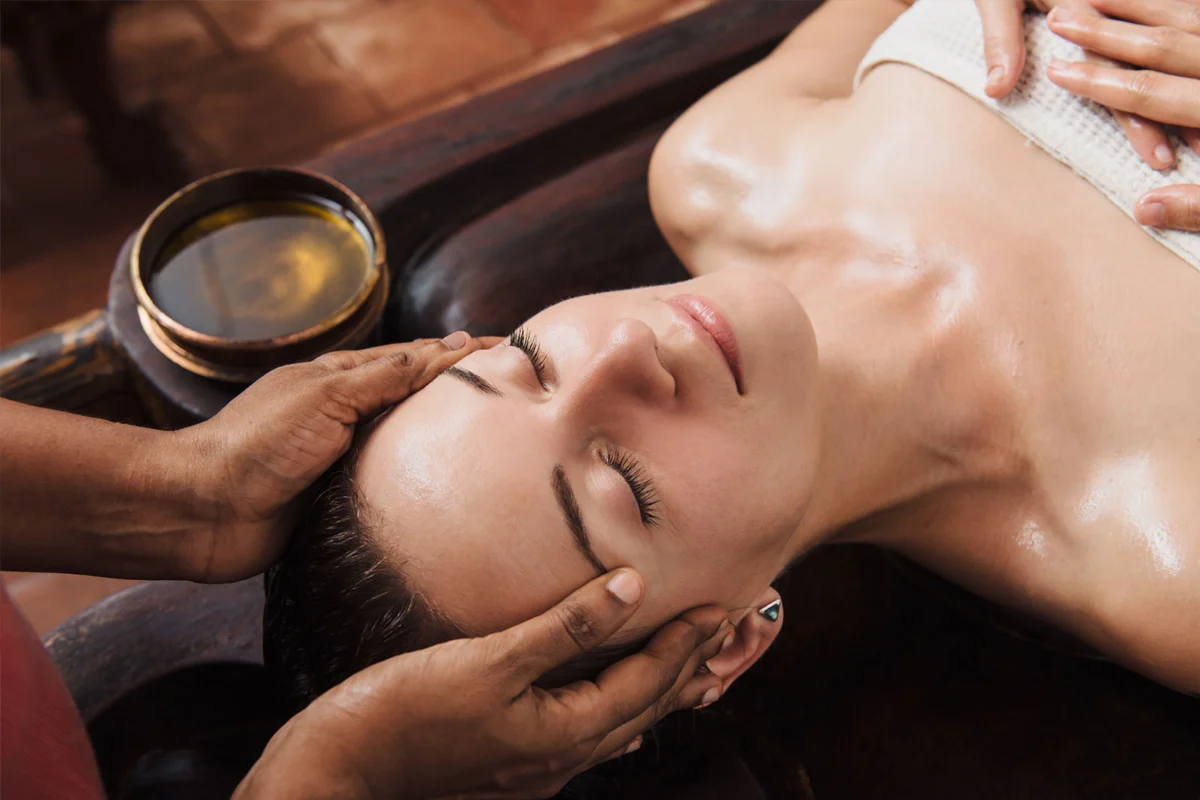
In a modern healthcare landscape often defined by standardized protocols and "one-size-fits-all" pharmaceuticals, a growing segment of the population is turning toward Ayurveda—an ancient system of medicine that posits a radical, yet intuitive premise: no two bodies, and no two beings, are the same.
The success of Ayurveda lies not in the mere administration of herbs, but in its capacity for radical individualization. While allopathic medicine may classify a condition like diabetes into two primary types, Ayurveda recognizes 20 distinct classifications, each requiring a specific therapeutic trajectory. Whether it is the nature of chronic pain—differentiated by Vata, Pitta, or Kapha influences—or the complex systemic imbalances of metabolic disease, the Ayurvedic approach prioritizes the root cause (samprapti) over the superficial management of symptoms.
The Philosophical Foundation: Beyond Symptom Management
The fundamental strength of Ayurveda is its diagnostic depth. A practitioner does not merely look at a disease; they examine the movement of imbalances within the body’s unique ecosystem. This necessitates a "critical eye" to determine which specific qualities (or gunas) are out of balance.
Treating a patient without this level of scrutiny is akin to applying a bandage to a broken bone; it may hide the injury, but it does nothing to facilitate structural healing. This is why the role of the trained Ayurvedic practitioner is paramount. By assessing a client’s prakruti (constitutional state of balance) and vikruti (current state of imbalance), a practitioner can curate a roadmap that addresses the unique digestive strength (agni) and toxin accumulation (ama) of the individual.
Chronology of Care: The Three Stages of Panchakarma
At the heart of deep Ayurvedic healing is Panchakarma, a sophisticated detoxification process. While often misunderstood as a simple "cleanse," Panchakarma is a highly orchestrated medical intervention involving three distinct stages, each requiring expert supervision to ensure safety and efficacy.
Stage 1: Purvakarma (The Preparatory Phase)
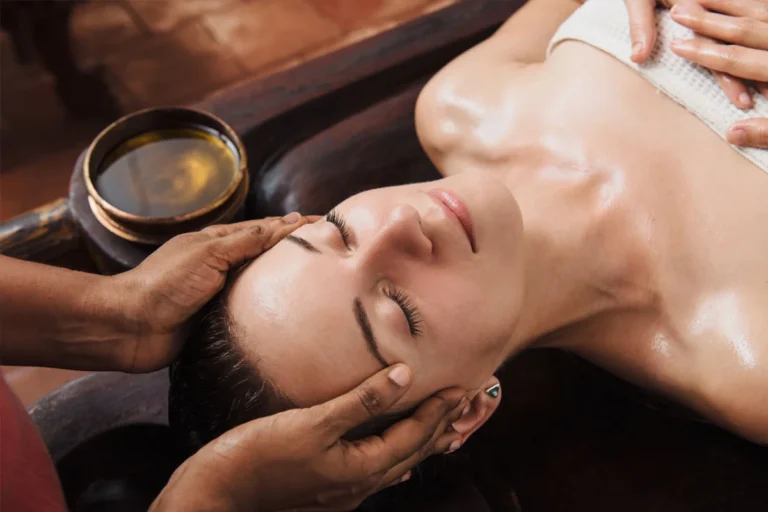
Before the body can release deep-seated toxins, it must be prepared. Purvakarma is the foundational stage focused on kindling the digestive fire (agni) and initiating internal oleation.
The strategy here is highly variable. For some, the digestive fire is stimulated through specific dietary interventions like ginger pickles; for others, it may involve simple, therapeutic hot water protocols. Simultaneously, the practitioner introduces internal oleation—the administration of medicated ghees or oils. This process serves to lubricate the tissues and dislodge toxins that have been trapped in deep cellular layers for years, drawing them into the digestive tract for eventual elimination.
Stage 2: Pradhānakarma (The Five Actions)
This stage represents the core of the therapy. The term "Panchakarma" literally translates to "five actions," each targeting a specific site of imbalance within the body.
- Virechana: Targeting the small intestine, liver, and gallbladder, this purgative therapy is designed to purge excess Pitta dosha from the system using specialized laxatives.
- Basti: Focused on the colon—the primary seat of Vata dosha—this procedure utilizes herbalized teas or oils. Unlike standard enemas, Basti is deeply nourishing, allowing the intestinal lining to absorb therapeutic herbal properties directly.
- Vamana: This is a controlled emetic therapy intended to pull excess Kapha from the stomach. Utilizing a blend of licorice and salt water, this process is highly specific and not indicated for every patient; it is reserved for cases where respiratory or gastric phlegm accumulation is severe.
- Nasya: This involves the administration of oils into the nasal passages. By addressing imbalances in the "head space," Nasya is instrumental in clearing sinuses, sharpening memory, and alleviating the mental fog associated with chronic stress.
- Raktamoksha: The final action targets the blood. Because Ayurveda views blood as the life-giving force (jivanam) that carries prana (life force) throughout the body, purifying it of ama is essential. While historically associated with leech therapy, modern practice in the United States utilizes advanced, non-invasive methods to achieve the same systemic purification.
Stage 3: Paschyātkarma (The Rejuvenation Phase)
The conclusion of the "Five Actions" leaves the body in a state of delicate openness. Paschyātkarma is the vital post-detoxification phase. Because the process of deep detoxification can leave a patient feeling fatigued, the practitioner must design a rebuilding protocol. This includes a transition diet and lifestyle plan that emphasizes tissue nutrition, digestion, and the integration of healthy habits to ensure the patient moves into a state of long-term vitality.
Supporting Data: The Case for Individualization
The efficacy of Panchakarma is predicated on the practitioner’s ability to customize the protocol. Standardized steps, if applied blindly, risk exacerbating existing imbalances. Research into individualized wellness plans suggests that patients who follow a tailored regimen—accounting for their specific agni and ama—report higher long-term adherence and improved symptom management compared to those following generic wellness advice.
Data from practitioners in the field consistently indicates that the success of these treatments is directly proportional to the "therapeutic alliance"—the level of trust and alignment between the practitioner and the client. When a practitioner understands the patient’s unique constitution, they can adjust the dosage of oleation, the intensity of the laxatives, and the duration of the rejuvenation phase to match the patient’s resilience.
Official Responses and Expert Perspectives
Experts in the field of Ayurvedic medicine, including those associated with the Ayurvedic Studies Programs, emphasize that the surge in popularity of Ayurveda brings both opportunity and risk.
"As Ayurveda enters the mainstream, the danger lies in the commodification of these deep processes," notes a senior consultant at the SoHum Mountain Healing Resort. "Panchakarma is not a spa treatment; it is a profound clinical intervention. When practitioners are not properly trained in the nuances of samprapti (the disease process), the results can be suboptimal, or even detrimental."
Industry leaders advocate for a rigorous educational standard. They urge consumers to look for practitioners who prioritize:
- Comprehensive Assessment: A thorough intake process that evaluates Prakruti and Vikruti.
- Transparency: A clear explanation of why a specific herb or therapy has been chosen.
- Continuous Monitoring: An active role in adjusting the protocol as the patient’s state changes during the three stages of treatment.
Implications for Modern Wellness
The implications of this Ayurvedic model are profound. By shifting the focus from "treating the disease" to "supporting the individual," Ayurveda offers a sustainable framework for long-term health. In a world that is increasingly disconnected from the rhythms of the body, the return to a highly personalized approach is not just a trend—it is a necessity.
For those seeking to explore this path, the advice is clear: align your personal wellness values with those of the center or practitioner you choose. A successful Panchakarma experience is not measured by the number of treatments received, but by the practitioner’s ability to listen, adapt, and guide the body back to its innate, intelligent state of balance.
As we look toward the future of healthcare, the integration of ancient, individualized wisdom with modern, ethical standards of care represents the most promising path forward. Whether you are addressing acute pain or seeking deep systemic rejuvenation, the path to healing is as unique as your own thumbprint. By honoring that individuality, Ayurveda continues to provide a beacon of clarity in an often confusing world of wellness.
For those interested in pursuing a career in this field, rigorous education remains the bedrock of safe practice. Explore advanced training programs to understand the science behind the healing. To experience the clinical application of these ancient arts, visit SoHum Mountain Healing Resort.