By [Your Name/Editorial Staff], based on the clinical insights of Jana Wu, LCSW, LADC, ICAADC, CASAC
For over 15 years, Jana Wu has occupied the front lines of mental health and substance use treatment. As she navigates her own path toward her 50th birthday, she finds herself increasingly haunted by a fundamental, systemic flaw in modern medicine: the reflexive urge to silence women’s distress before we have even begun to understand its root causes.
This professional inquiry has gained a new, urgent dimension through the rise of kratom—a botanical substance that has become a silent companion for a growing demographic of women in their late 30s through their 60s. For these women, kratom is not a recreational vice; it is a functional tool, a desperate attempt to bridge the widening gap between the immense demands of modern life and the biological realities of midlife.
The Landscape of Modern Distress
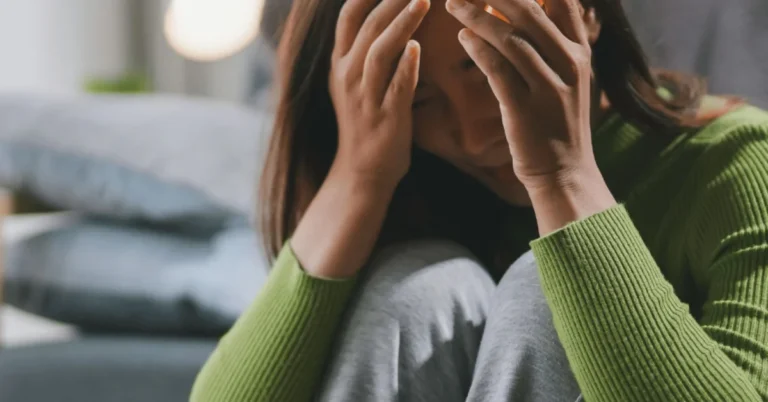
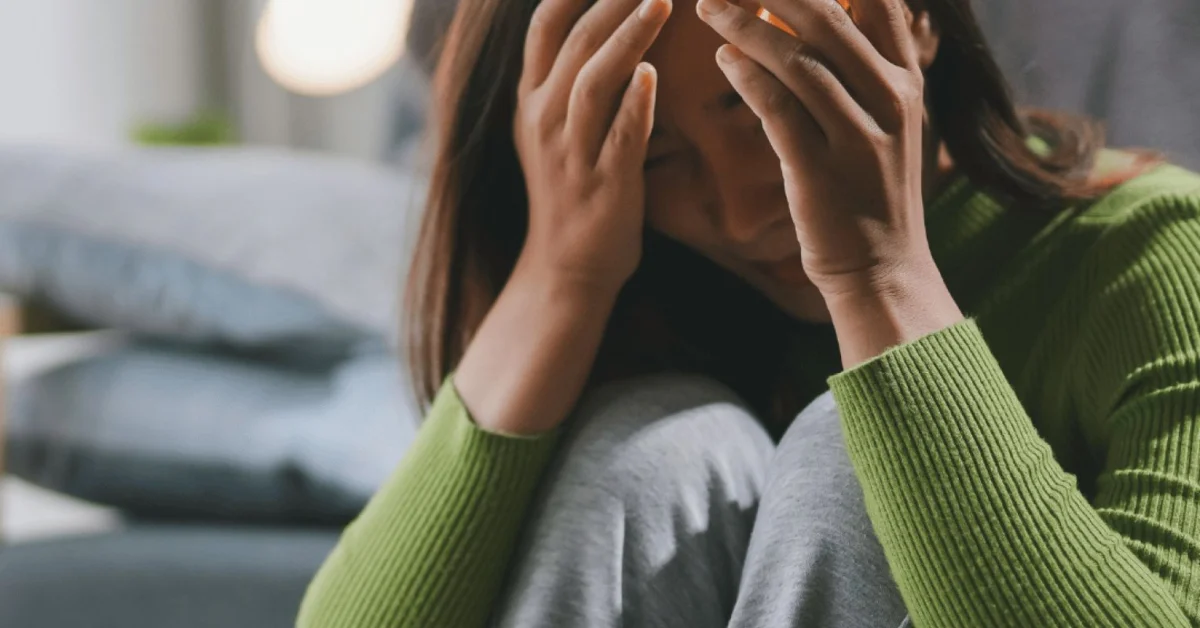
The typical profile of the woman turning to kratom is rarely one of indulgence. Instead, clinicians see women struggling under the weight of the "sandwich generation" dynamic: balancing high-pressure careers, raising children, and providing care for aging parents. When anxiety, pain, and chronic fatigue set in—often exacerbated by the hormonal shifts of perimenopause—these women look for a way to keep functioning.
Kratom is frequently chosen not just for its analgesic properties, but for the burst of energy and focus it provides. It is a tool for productivity. It allows a woman to show up for her job, her family, and her community, even when her internal resources are depleted. However, this "relief" is a double-edged sword. By masking the symptoms of burnout and hormonal upheaval, these substances may prevent women from addressing the structural and biological stressors that are the actual source of their suffering.
A Historical Chronology: From "Hysteria" to "Mother’s Little Helper"
To understand why women are currently gravitating toward unregulated substances like kratom, one must look at the long, troubled history of how medicine has handled female distress.
- The 19th Century (The Era of Hysteria): In the 1800s, medicine was quick to pathologize the complex emotional and physical experiences of women. Diagnoses like "hysteria" and "neurasthenia" became catch-all terms for everything from insomnia and irritability to chronic pain. These diagnoses often served to dismiss legitimate complaints as inherent "female weaknesses."
- The Mid-20th Century (The Tranquilizer Boom): As science progressed, the method of suppression shifted from social stigmatization to pharmacological intervention. The 1950s and 60s ushered in the age of "Mother’s Little Helper." Drugs like Miltown, and eventually Valium (introduced in 1963), became the primary answer to the domestic pressures placed upon women.
- The 1966 Cultural Reflection: The Rolling Stones’ iconic track, "Mother’s Little Helper," was more than a song; it was a societal mirror. It captured the reality of a generation of women prescribed pills to cope with the exhaustion of maintaining a perfect household and meeting social expectations.
- The Present Day: Nearly six decades later, the cycle remains unbroken. While the medications have evolved from benzodiazepines to a variety of pharmaceutical and botanical options—including the rise of kratom—the societal demand that women "keep functioning" regardless of their internal state remains the driving force behind the consumption.
Supporting Data: The Risks of Unregulated Relief
The fundamental danger in the current trend lies in the confusion between "natural" and "safe." Because kratom is not regulated by the FDA like traditional pharmaceuticals, it exists in a dangerous gray market.
The Potency Problem
Unlike prescription medications, which undergo rigorous standardization, kratom products vary wildly in potency and chemical composition. A user has no way of knowing the concentration of alkaloids they are ingesting, leading to unpredictable physiological responses.
The Dangers of Poly-Substance Use
Perhaps the most concerning aspect for addiction specialists is the prevalence of poly-substance use. Many women who arrive at clinics for kratom-related issues are not using it in isolation. The combination of kratom with other sedatives—such as alcohol or prescribed benzodiazepines—creates a potent, dangerous cocktail. These combinations can lead to:
- Severe Respiratory Depression: A life-threatening side effect where the body slows its breathing to dangerous levels.
- Excessive Sedation: Impairing the ability to operate vehicles or manage complex tasks, effectively undermining the very "functionality" the user was seeking.
- Dependence Cycles: Much like the benzodiazepines that preceded them, kratom can create its own cycle of physical dependence and withdrawal symptoms, effectively replacing one form of distress with another.
Official Responses and Clinical Perspectives
The medical community is currently in a state of catch-up. While organizations like the American Society of Addiction Medicine (ASAM) continue to monitor the rise of kratom, the lack of robust, long-term clinical data makes it difficult to provide definitive guidance.
Jana Wu, who founded the nation’s first clinician-led kratom support group, emphasizes that the medical system is currently "better equipped to quiet a symptom than to understand the life surrounding it." The prevailing clinical approach often defaults to prescribing a substance to eliminate anxiety, rather than taking the time to investigate if that anxiety is a secondary symptom of perimenopause, a nutritional deficiency, a trauma response, or a reaction to an unsustainable life environment.
When providers treat only the symptom, they miss the patient. The clinician’s role should be to pivot from "how do I stop this?" to "what is this telling us about the patient’s life?"
Implications: Changing the Paradigm of Care
If we are to break the cycle that has persisted from the era of "hysteria" to the modern kratom market, we must fundamentally alter our approach to women’s health.
1. Moving Beyond Symptom Suppression
Healthcare providers must embrace the discomfort of patience. Diagnosing why a woman can no longer sleep or why she is experiencing sudden, acute panic requires a deep dive into her hormonal, psychological, and situational reality. This takes time, curiosity, and a departure from the "pill-per-visit" model of modern healthcare.
2. Whose Discomfort Are We Treating?
Clinicians must ask a piercing, often uncomfortable question: Whose discomfort is actually being treated? Is the patient’s distress truly a pathology, or is it a natural reaction to a life that requires the output of three people? Sometimes, the most professional action is not to suppress the distress, but to help the patient validate it and make the necessary life changes to address the source.
3. Comprehensive Education
We must stop treating "natural" as synonymous with "risk-free." Public health initiatives must focus on the dangers of poly-substance use and the risks associated with unregulated botanicals. Women deserve to be informed that their search for relief is valid, but that the tools they are choosing may be introducing new, hidden dangers.
4. A Holistic Framework for Midlife
Midlife is a transition, not a disease. Our healthcare system needs to treat perimenopause and its associated mental health challenges with the same gravity as any other chronic condition, integrating gynecological, psychological, and lifestyle-based support rather than relying on quick-fix prescriptions or the unregulated supplement market.
Conclusion
The story of the woman seeking relief is as old as medicine itself. Whether it is the 19th-century patient seeking an escape from "neurasthenia" or the modern professional turning to kratom to balance her career and home life, the narrative is the same: women are being asked to endure the unendurable.
Until we stop viewing women’s distress as a symptom to be silenced and start viewing it as a communication to be understood, the cycle will continue. We owe it to these women to offer more than just another version of "Mother’s Little Helper." We owe them a healthcare system that values their wellness over their mere functionality.