








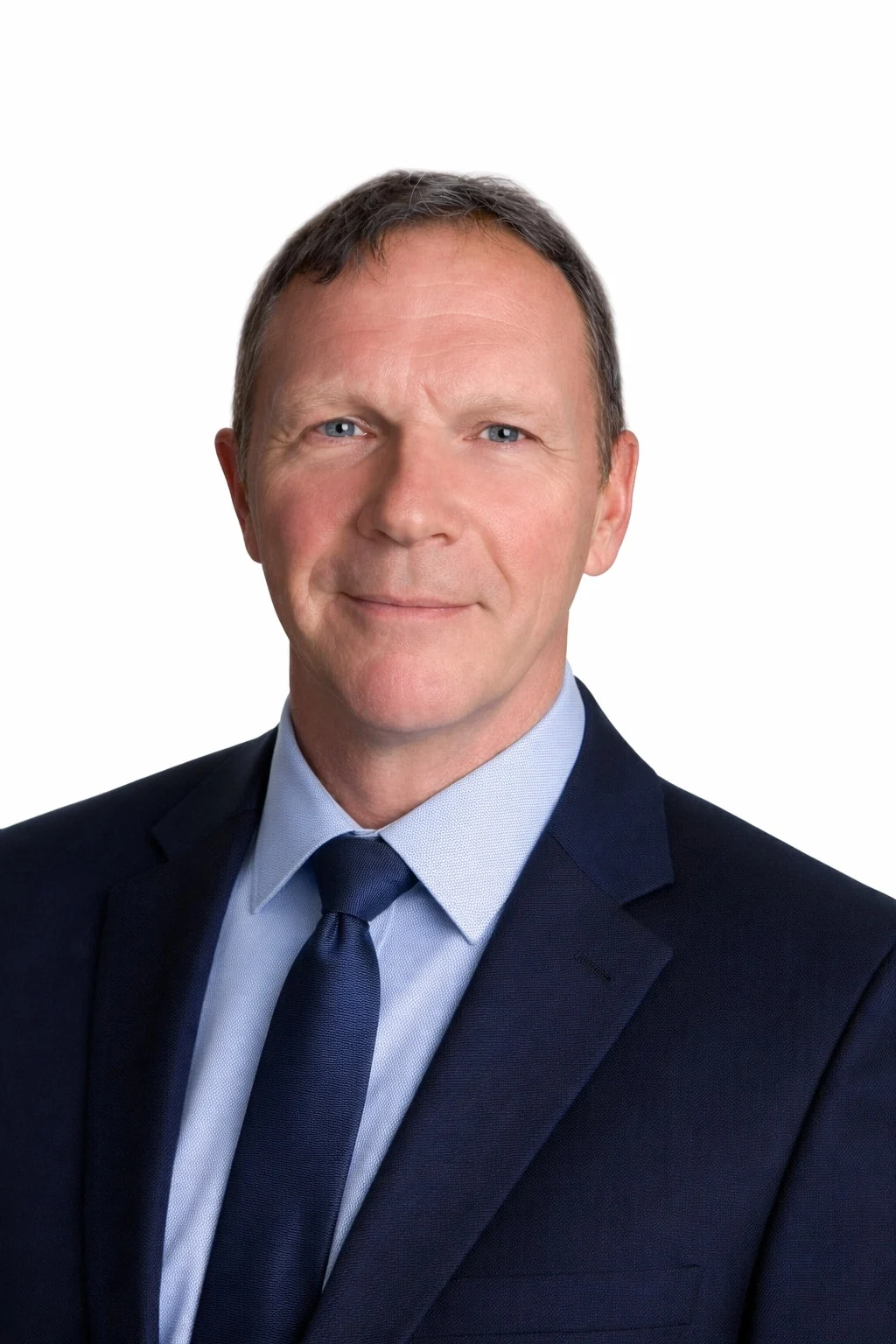
The Alliance for Aging Research has long stood as a vanguard in the effort to improve the universal human experience of aging. At the heart of this mission lies a dedicated team of professionals who bridge the gap between complex scientific inquiry and the realities of federal policymaking. This month, we shine a spotlight on Scott Frey, the Senior Vice President of Public Policy and Government Relations, whose decades of experience and deeply personal commitment are driving the organization’s advocacy efforts forward.
Main Facts: The Architect of Policy
Scott Frey serves as a critical nexus between the Alliance and the corridors of power in Washington, D.C. As Senior Vice President of Public Policy and Government Relations, his mandate is as expansive as it is vital: he acts as the primary liaison between the Alliance and key stakeholders, including members of Congress and the Federal Executive Branch. His work is centered on transforming science-driven advocacy into tangible legislative and regulatory outcomes.
In an era defined by rapid medical innovation—coupled with increasing skepticism toward scientific institutions—Frey’s role involves navigating a delicate political landscape. He is responsible for articulating the Alliance’s policy goals to those who control the levers of federal funding and health oversight. His professional portfolio is defined by a commitment to ensuring that aging remains a top-tier priority in a crowded federal agenda, ensuring that the promise of modern medicine is matched by equitable access and robust research funding.
Chronology: A Career Forged in Advocacy
Frey’s journey to the Alliance for Aging Research did not begin in a corporate boardroom, but rather in the industrial heartlands of Pennsylvania. Born and raised in the central and western parts of the state, Frey witnessed firsthand the erosion of the American dream during the late 20th century.
"I moved to the DC area in 1987 to pursue a career in federal public policy," Frey recalls. "It was a time when good-paying manufacturing jobs were rapidly disappearing across the towns and cities I knew, and with it, a declining quality of life and diminished retirement security for so many."
This early exposure to the socioeconomic realities of aging—and the fragility of retirement security—became the catalyst for his life’s work. Since arriving in Washington in the late 1980s, Frey has spent nearly four decades in the policy trenches. His tenure at the Alliance, which spans one year and eight months, is the culmination of a career built on correcting systemic inequities. His past work includes pivotal contributions to women’s health research, most notably the historic legislative campaigns that expanded breast cancer early detection and treatment programs. These foundational experiences in Congress prepared him for the complex challenges he tackles today at the Alliance.
Supporting Data: The Human Connection to Policy
While policy is often discussed in terms of bills, amendments, and budgets, Frey is adamant that the core of the work is profoundly human. When asked about his connection to the health issues the Alliance champions, he speaks with the gravitas of a veteran advocate.
"Like everyone else I know, many of our issues have touched my family and close friends," Frey notes. However, he emphasizes that the inspiration for his persistence often comes from the patient advocates he has encountered over the years.
Throughout his career, Frey has collaborated with individuals who transformed their personal health battles into a national crusade for better care. From early efforts to increase funding for geriatric education to modern-day initiatives aimed at ensuring the next generation of medical breakthroughs reaches the aging population, he views his work as a relay race. He credits the stories and the resilience of patients as the primary fuel for the Alliance’s lobbying efforts. For Frey, the data regarding an aging population is not just a statistic; it is a call to action to honor the dignity of those who came before.
Official Responses: Navigating the Political Climate
In his current capacity, Frey is tasked with a difficult challenge: maintaining public trust in science while operating within a polarized federal environment. When asked to identify a favorite project or initiative, he avoids the trap of highlighting a single victory, instead focusing on the broader necessity of his work.
"It is rewarding and exciting to share a part in the fight to ensure science-driven public policy and public trust in science at a time when these imperatives are under serious attack both outside and within the federal government," he explains.
Frey’s philosophy regarding policy is grounded in the idea that medical science is currently at an inflection point. He believes we are on the "cusp of promising and long-awaited new developments," but warns that the pipeline from laboratory to bedside is fragile. The Alliance’s advocacy efforts under his leadership are designed to nurture that promise, ensuring that regulatory hurdles do not impede the progress of life-saving treatments. His approach is characterized by a "constant learning" mindset—a belief that every legislative success merely uncovers a new layer of complexity, requiring constant vigilance and evolution.
Implications: The Promise of Healthy Aging
Perhaps the most telling insight into Scott Frey’s character—and the reason he is such an effective force for the Alliance—lies in a promise he made decades ago. Upon leaving college, his last surviving grandmother offered him a simple, heartfelt request: "Go down there to Washington and fight for us older folks."
That charge remains the bedrock of his professional existence. It transforms his daily work from mere policy administration into a moral obligation.
Defining Healthy Aging
For Frey, healthy aging is not merely the absence of disease; it is the active pursuit of new challenges. He observes that while much of the work he began in the 1980s is now coming to fruition, the landscape of aging continues to shift. He believes that society must reframe how it views the aging process—not as a period of decline, but as a phase of continued growth and adaptation. By embracing new technologies, advocating for better geriatric care standards, and fighting for the dignity of the elderly, he continues to honor his grandmother’s wish.
Intellectual Influences
Frey’s personal life reveals a man who balances the rigors of policy with a deep appreciation for the humanities. His favorite authors include Joseph Heller, Kurt Vonnegut, and William Shakespeare—choices that reflect a sophisticated, perhaps slightly ironic, view of the world. This intellectual depth serves him well in the high-stakes world of D.C. lobbying, where the ability to interpret nuance and understand human folly is as important as the ability to read a federal budget. His penchant for gifting A.A. Milne and Maurice Sendak to children speaks to a softer, nurturing side, grounded in a belief in legacy and the passing of values to the next generation.
Conclusion: A Legacy in the Making
Scott Frey represents a breed of Washington professional that is increasingly rare: the career advocate who remains deeply connected to the people he serves. His tenure at the Alliance for Aging Research is marked by a blend of historical perspective and forward-looking optimism.
As the global population ages, the work of the Alliance becomes increasingly critical. With leaders like Frey at the helm of public policy, the organization is well-positioned to navigate the turbulent waters of federal politics. His life’s work serves as a reminder that policy is a tool for empathy. Whether he is working on Capitol Hill or mentoring younger staff at the Alliance, Frey’s focus remains singular: to ensure that the "universal human experience of aging" is one defined by health, dignity, and opportunity.
As he continues his tenure, Frey remains a testament to the idea that one’s life work can, and should, be an answer to the needs of the most vulnerable among us. His story is not just one of policy success, but of a promise kept—to his grandmother, to his country, and to the millions of older adults who rely on the work of the Alliance every single day.