










As the global population ages, the medical community faces a growing crisis: our skin’s ability to heal after injury, surgery, or chronic trauma diminishes significantly with each passing decade. For older adults, what should be a straightforward recovery can become a months-long struggle marked by infection risk, chronic inflammation, and delayed tissue closure. However, recent breakthroughs in the field of “senolytics”—drugs designed to clear out stagnant, aging cells—offer a promising, science-backed solution.
A pivotal study published in the journal Aging (Aging-US) has unveiled a potential turning point in dermatological care. Researchers from the Boston University Aram V. Chobanian and Edward Avedisian School of Medicine have demonstrated that targeting “zombie cells” with a topical application of the drug ABT-263 can dramatically accelerate wound healing in aged skin. This discovery shifts the paradigm from merely treating the wound to preparing the aging skin environment for a more robust biological response.
The Biological Obstacle: Understanding ‘Zombie Cells’
To understand why this research is revolutionary, one must first understand the nature of senescent cells. Often colloquially termed “zombie cells,” these are damaged or aged cells that have ceased to divide but refuse to undergo programmed cell death (apoptosis).
In youthful, healthy skin, damaged cells are efficiently cleared away by the immune system, making room for fresh, regenerative cells. As we age, however, our biological “waste management” systems slow down. Senescent cells begin to accumulate, lingering in the tissue like unwanted guests. While they are no longer functional, they are far from dormant. They secrete a cocktail of inflammatory proteins and signaling molecules known as the Senescence-Associated Secretory Phenotype (SASP).
The SASP acts like a localized pollutant, triggering chronic low-grade inflammation that suppresses the body’s natural repair pathways. When an injury occurs in such an environment, the skin is already operating in a compromised state, leading to the sluggish healing responses common in the elderly.
Chronology of the Research: From Laboratory to Potential Therapy
The journey of this research represents a methodical climb toward clinical application. The 2024 study led by Maria Shvedova, Daniel S. Roh, and their colleagues at Boston University was the culmination of efforts to isolate these senescent cells in a controlled environment.
Phase 1: Identifying the Target
The team first identified that aged skin, unlike younger skin, possessed a dense concentration of these senescent cells. They sought a way to selectively purge them without causing systemic toxicity—the primary danger of oral senolytic medications, which circulate throughout the entire body and can cause unintended side effects.
Phase 2: The Topical Intervention
The researchers opted for a topical delivery method. Aged mice were treated with ABT-263—a well-known senolytic agent—directly on the skin for a period of five days. The results were immediate and observable: the burden of senescent cells significantly decreased, and the skin began to show markers of a more youthful, responsive state.
Phase 3: The Wound Healing Test
Following the treatment, the team created surgical-style wounds to measure recovery rates. The findings were striking: by day 24, 80% of the treated mice had achieved full wound closure, compared to only 56% of the untreated control group. This 24% gap represents a statistically significant improvement in recovery speed, a metric that could mean the difference between a minor surgery and a complicated, long-term hospital stay in human patients.
Supporting Data: Why Inflammation Isn’t Always the Enemy
One of the most counterintuitive findings in the study was the transient spike in inflammation immediately following the application of ABT-263.
Historically, inflammation is viewed as a pathological hurdle in wound healing. However, the study revealed that the “burst” caused by the topical treatment acted as a biological wake-up call. By clearing the “stagnant” senescent cells, the treatment forced the surrounding tissue to restart its engine. The data indicated an upregulation in gene activity related to critical repair processes:
- Collagen Synthesis: The structural protein essential for skin strength.
- Angiogenesis: The growth of new blood vessels, which is vital for delivering oxygen and nutrients to the injury site.
- Tissue Remodeling: The complex process of rebuilding the extracellular matrix.
By clearing the cellular debris, the drug effectively removed the “noise” preventing these essential repair signals from being heard.
Expanding the Frontier: A 2025-2026 Perspective
The excitement surrounding the Boston University study has spurred a wave of secondary research that confirms the viability of this approach.
In 2025, a comprehensive review in Ageing Research Reviews solidified the consensus that cellular senescence is a primary driver of skin disease and poor healing. The review underscored that localized senolytic therapy is likely the future of dermatology, as it allows for high-concentration treatment of the target area while minimizing systemic exposure.
By 2026, the application moved into more complex territory: diabetic wound healing. Diabetic patients are notoriously prone to chronic, non-healing ulcers due to systemic cellular dysfunction. A landmark study published that year demonstrated that a specialized wound dressing infused with ABT-263 could accelerate healing in diabetic mice. This study was particularly significant because it reported no detectable systemic toxicity, suggesting that the topical delivery mechanism is both safe and highly effective even in medically complex scenarios.
However, the field remains cautious. A 2024 review in Frontiers in Immunology provided a necessary nuance: senescent cells are not entirely evil. In the very early stages of a wound, senescence can play a role in limiting fibrosis and orchestrating initial repair. The challenge for future researchers is “temporal precision”—clearing the cells that have lingered for too long without disrupting the ones that might be playing a constructive role in the immediate aftermath of an injury.
Official Responses and Expert Implications
The potential implications of these findings for pre-operative care are immense. Surgeons have long sought ways to “pre-condition” patients for procedures, particularly in the elderly population where recovery times are the primary barrier to elective surgery.
As noted by the research team: "Our study underscores the potential of topical senolytic treatments to enhance wound healing in aging skin, presenting a potentially promising strategy for preoperative care."
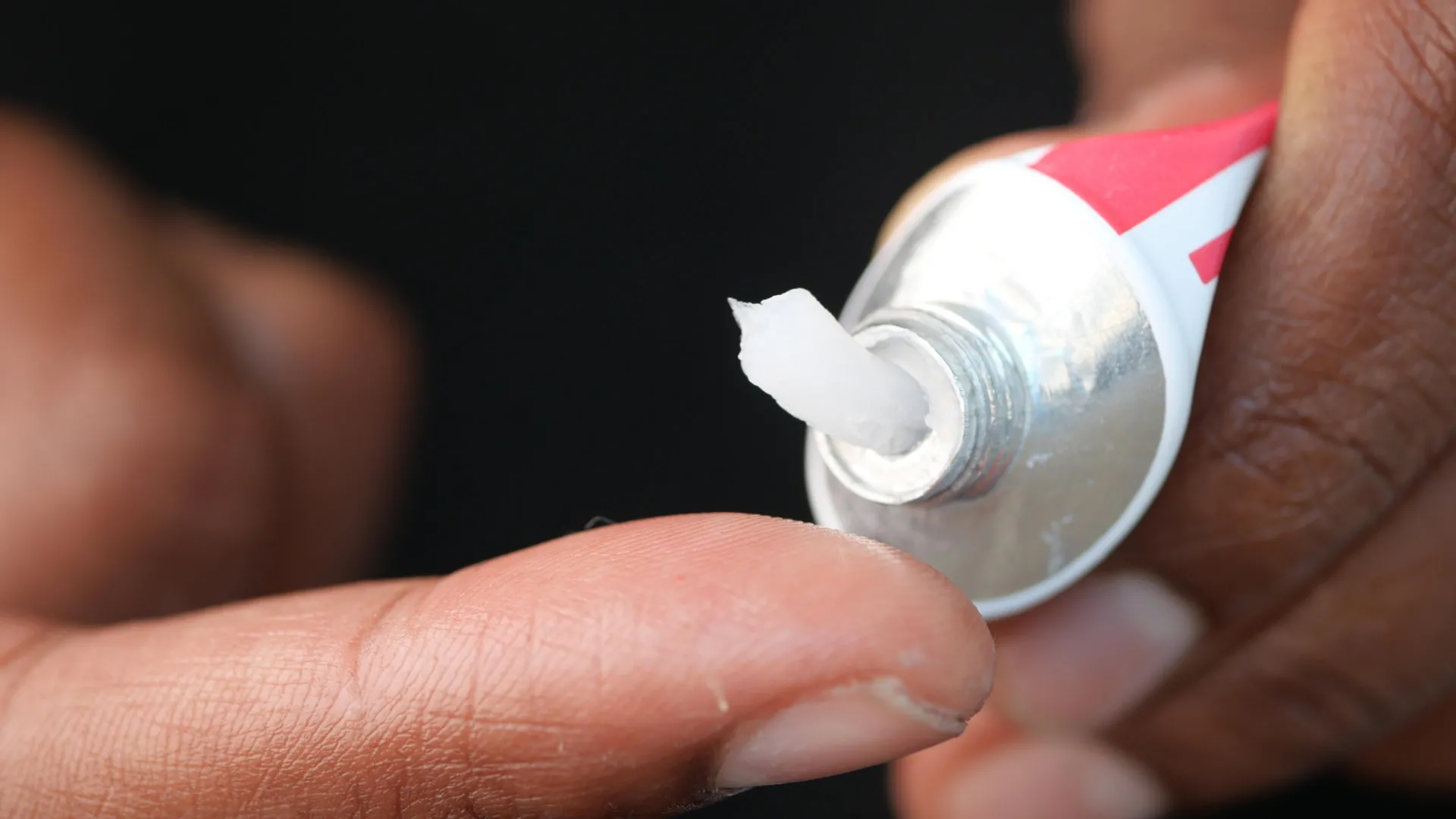
The vision is clear: a patient scheduled for surgery might apply a topical senolytic cream to the site for a week prior to the procedure. This "priming" would clean the biological landscape, ensuring that when the scalpel makes the first incision, the body’s repair mechanisms are primed, active, and uninhibited by the dampening effects of senescent cells.
The Path Ahead: Caution and Future Directions
Despite the overwhelming optimism, it is crucial to temper expectations with scientific rigor. All studies to date have been conducted on murine models. While mice are the gold standard for preliminary skin research due to similarities in wound healing, human skin is thicker, has different regenerative capacities, and exists in a more complex hormonal and environmental context.
Key questions that remain to be answered include:
- Dosing Regimens: What is the optimal concentration and duration of topical application for human skin?
- Long-Term Safety: Could frequent use of senolytics lead to unintended depletion of essential, healthy cell populations?
- Human Trials: When will the first human clinical trials begin to assess efficacy in surgical patients?
The scientific community is currently pivoting toward these questions. The transition from animal models to human clinical trials is the final, and often most difficult, hurdle. Researchers are also looking into whether these treatments could extend beyond surgery to treat chronic pressure ulcers, venous leg ulcers, and other conditions that plague aging populations.
Conclusion
The study of senolytics is transforming how we view the aging process. We are moving away from the fatalistic view that skin decay is an inevitable byproduct of time. Instead, we are beginning to view aging as a manageable biological state. By identifying and removing the “zombie cells” that hold our bodies back, we are opening the door to a future where healing is not just something that happens—it is something we can actively facilitate.
For the older adult facing a surgical procedure or the patient battling a chronic, stubborn wound, the development of topical ABT-263 treatments represents more than just a scientific novelty. It represents the potential for a faster, less painful, and more successful recovery, effectively restoring the body’s youthful ability to mend itself. As research continues to advance, the dream of "pre-conditioning" the body for better health is closer to reality than ever before.