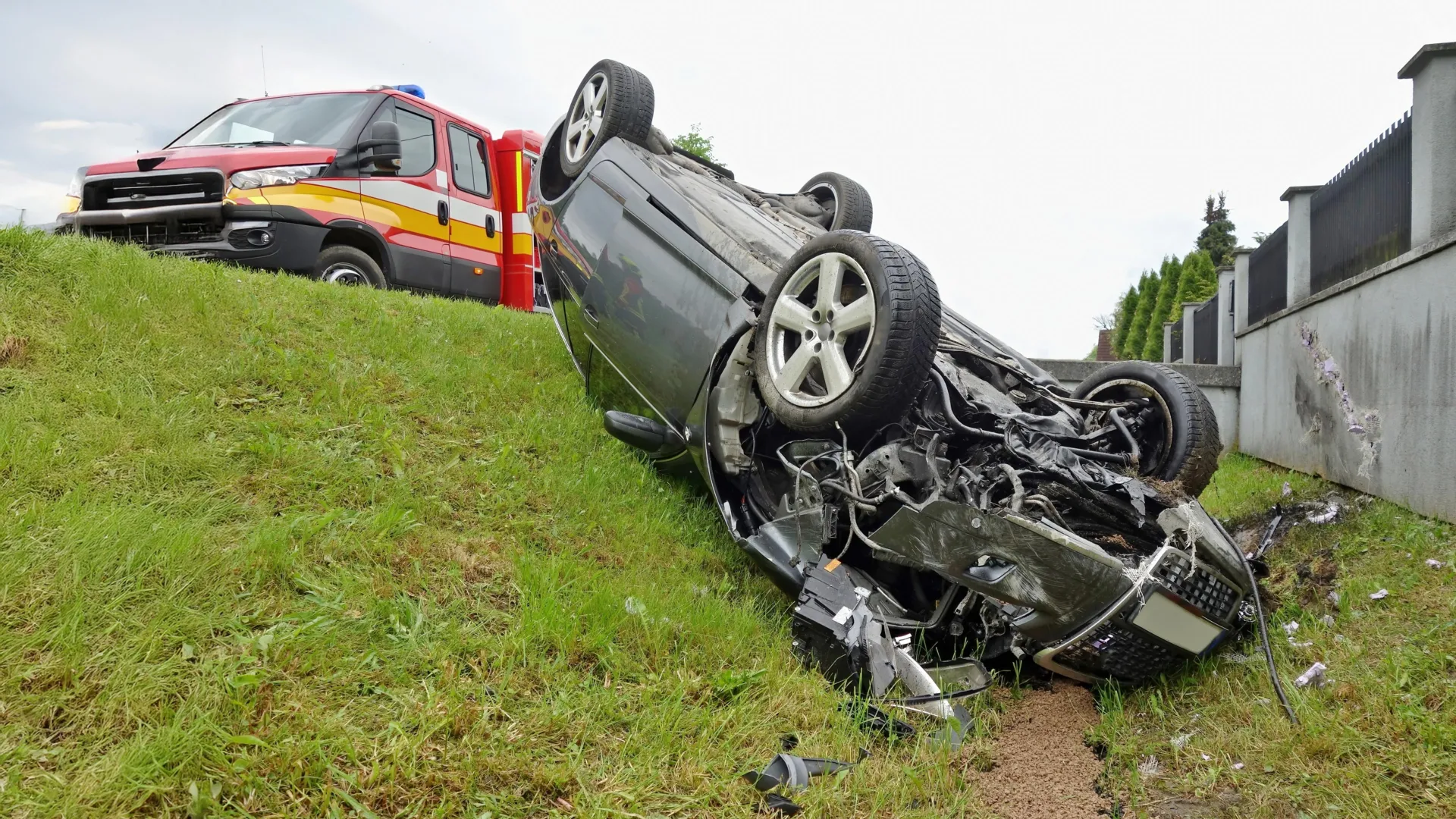
In an era where cannabis legalization is rapidly expanding across the United States, a concerning trend has emerged: the simultaneous consumption of alcohol and cannabis. While public health messaging has long warned against the dangers of "drunk driving," a groundbreaking study from Johns Hopkins Medicine suggests that the interaction between cannabis edibles and alcohol creates a uniquely dangerous cocktail that may leave drivers significantly more impaired than previously understood—all while remaining largely invisible to traditional police sobriety tests.
The findings, recently published in the JAMA Network, indicate that the combination of these substances does not merely add to the existing impairment of each; it creates a synergistic effect that significantly compromises a driver’s cognitive and motor functions. This discovery poses a major challenge to current traffic safety protocols, legal intoxication thresholds, and the fundamental ways in which law enforcement assesses driver sobriety.
The Synergistic Threat: Understanding the Interaction
For years, research on impaired driving has focused heavily on alcohol and, more recently, smoked cannabis. However, the rise of the legal cannabis industry has seen a massive surge in the popularity of edible products, which are processed differently by the body. Unlike smoked cannabis, which enters the bloodstream rapidly via the lungs, edibles are metabolized through the liver, leading to a delayed but often more intense and prolonged psychoactive effect.
Dr. Austin Zamarripa, an assistant professor of psychiatry and behavioral sciences at the Johns Hopkins University School of Medicine and the study’s lead author, emphasizes that the danger lies in the unpredictable interaction between the two substances.
"Our findings indicate that co-use of cannabis and alcohol produces significantly greater driving impairment and subjective intoxication than either substance alone," Dr. Zamarripa stated. "Importantly, these findings suggest that the interaction between cannabis edibles and alcohol is not merely additive, but may be synergistic in producing impairment, which has important implications for real-world risk."
This "synergy" means that an individual who believes they are "only slightly buzzed" from a low dose of alcohol and a small piece of a cannabis brownie may, in fact, be suffering from a level of impairment that would render them unsafe behind the wheel—a reality that current legal standards fail to capture.
Methodology: A Rigorous Simulation of Real-World Risks
To unravel the complexities of this drug interaction, researchers at Johns Hopkins designed a highly controlled, sophisticated study. The objective was to mimic real-world scenarios while maintaining the rigorous standards required for scientific validity.
The study enrolled 30 healthy volunteers, aged 21 to 55, all of whom had a history of both cannabis and alcohol use. To ensure the results were applicable to a broad demographic, the researchers carefully screened for binge drinking habits and moderate cannabis usage, ensuring that participants were neither heavy, daily users (which could bias results due to high tolerance) nor completely naive to the substances.
The Experimental Protocol
The study utilized a randomized, placebo-controlled, crossover design. Participants completed seven distinct experimental sessions, separated by at least one week to ensure complete metabolic clearance. The sessions included:
- Cannabis-only: Administration of a brownie containing either 10mg or 25mg of THC.
- Alcohol-only: Consumption of alcohol adjusted to reach breath alcohol concentrations (BrAC) of 0.05% or 0.08%.
- Co-use: A combination of the THC brownies and alcohol.
- Placebo: Sessions involving non-alcoholic drinks and THC-free brownies.
Each session began with a comprehensive baseline assessment. Participants engaged in a sophisticated driving simulator, performed standardized field sobriety tests (FSTs), and underwent cognitive and psychomotor evaluations. Throughout the day—for up to 7.5 hours following ingestion—these assessments were repeated to track the duration and intensity of the impairment as the substances moved through the subjects’ systems.
The Failure of Current Field Sobriety Tests
One of the most alarming revelations from the Johns Hopkins study is the inadequacy of current law enforcement tools. Standard field sobriety tests (FSTs), which typically include tasks like the walk-and-turn or the one-leg stand, are designed primarily to detect alcohol-related impairment.
The researchers found that while these tests were reasonably effective at identifying intoxication during high-alcohol conditions (0.08% BrAC), they were frequently unable to detect the significant impairment caused by cannabis edibles—even when those edibles were combined with alcohol.
This creates a "blind spot" in public safety. A driver under the influence of a potent edible might pass a traditional roadside sobriety test, yet their reaction times, spatial awareness, and ability to maintain lane position—all measured with high precision in the simulator—are severely degraded. The study proves that an individual can be "too impaired to drive" while appearing "sober enough" to a standard police assessment.
Implications for Legal Standards and Public Safety
The legal standard for alcohol impairment in most U.S. states is a 0.08% BrAC. However, the Johns Hopkins researchers argue that this threshold is becoming increasingly obsolete in a world where polydrug use—specifically the combination of alcohol and cannabis—is becoming normalized.
"Consuming typical retail doses of cannabis edibles alongside even low doses of alcohol can produce driving impairment comparable to—or greater than—alcohol alone at the legal limit," explains Dr. Tory Spindle, the study’s principal investigator and an associate professor at the Johns Hopkins University School of Medicine.
The implications are profound for policymakers. If the current legal framework is based on alcohol-only data, it does not account for the amplified risk posed by the co-use of cannabis. This raises critical questions:
- Should legal thresholds be lowered for drivers who test positive for both substances?
- Does the current legal focus on THC blood concentration levels provide an accurate picture of actual impairment?
- How can law enforcement officers be trained to better identify the distinct, often subtle signs of cannabis-edible impairment?
The researchers stress that the current state of "impaired driving" legislation is lagging behind the reality of modern substance use patterns. As more states move toward full legalization, the need for a more nuanced, technology-driven approach to detecting impairment is no longer just a academic concern—it is a matter of urgent public safety.
Moving Forward: The Path Toward Better Detection
The Johns Hopkins team, which included researchers Ryan Vandrey, Ph.D., Elise Weerts, Ph.D., David Wolinsky, M.D., and Denis Antoine, M.D., concludes that there is an urgent need for two primary developments:
- Public Awareness: The general public remains largely unaware of the synergistic effects of mixing alcohol and cannabis. Many users falsely believe that if they are below the legal alcohol limit, they are safe to drive, disregarding the additive impact of the THC. Comprehensive public health campaigns are needed to highlight that these substances, when combined, create a level of risk that is greater than the sum of its parts.
- Scientific Innovation in Detection: Because biological markers (like THC in the blood) do not always correlate perfectly with behavioral impairment, the development of new, objective, and non-invasive methods for detecting real-time impairment is essential. This could involve advanced cognitive screening, refined ocular testing, or improved roadside assessment technologies that measure neurological responsiveness rather than just chemical presence.
Conclusion
The study serves as a wake-up call to regulators and the public alike. As cannabis becomes more integrated into the American lifestyle, the margin for error on the roads is shrinking. The research from Johns Hopkins Medicine provides a sobering reminder that our current tools for measuring impairment are, in many ways, relics of a past era.
Until new, more effective methods of detection are developed and until the public is fully educated on the heightened risks of "mixed-substance" consumption, the combination of cannabis edibles and alcohol will remain a significant, under-recognized threat to road safety. The message from the researchers is clear: the science of impairment is changing, and our laws, enforcement strategies, and personal choices must change along with it.