










In the high-stakes world of professional bodybuilding, where physical perfection is the ultimate goal, the relationship between an athlete and their coach is often compared to a marriage. It is a bond built on trust, shared sacrifice, and the pursuit of a singular, grueling objective: the Olympia stage. However, as the industry continues to professionalize and prize purses reach unprecedented heights, financial transparency has become the new frontline for conflict.
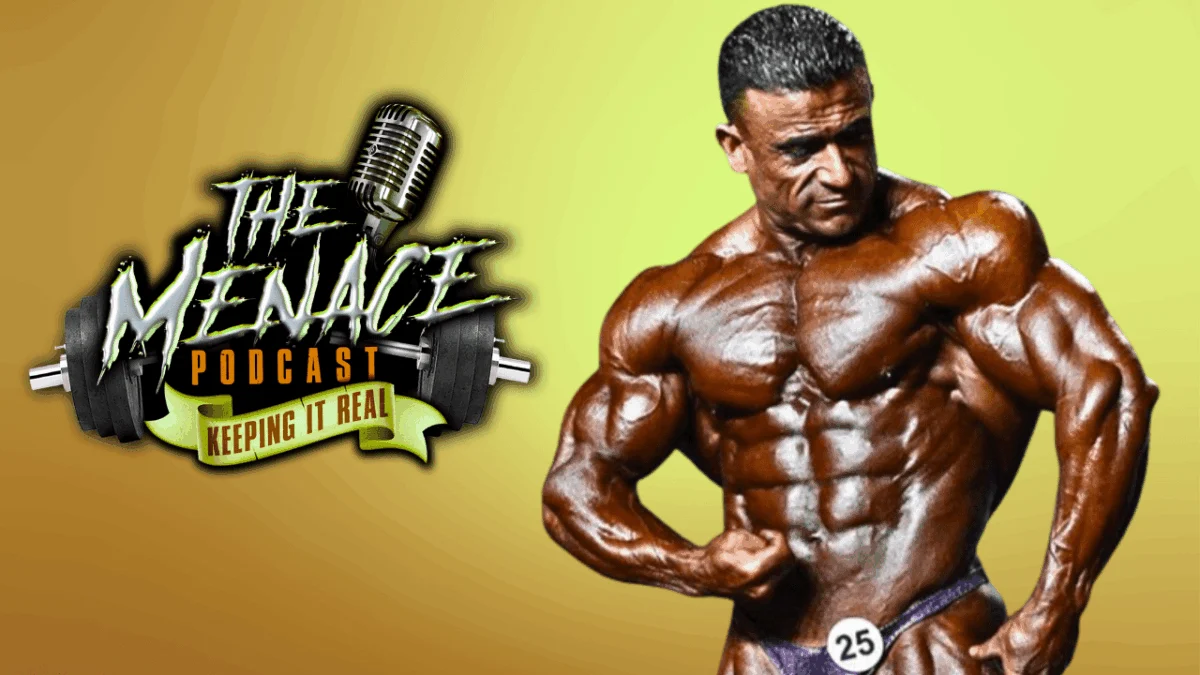
This week, the bodybuilding community was sent into a tailspin following a candid revelation on Episode 285 of The Menace Podcast. Kamal Elgargni, a decorated legend of the sport and the 2019 212 Olympia champion, announced that his partnership with rising superstar Andrew Jacked is likely at an end. What began as a dream team dynamic—pairing a tactical master with a genetic marvel—has disintegrated into a public dispute over compensation, professional respect, and the fundamental mechanics of the coach-athlete business model.
The Genesis of a Championship Run
To understand the weight of this fallout, one must consider the pedigree of both parties. Kamal Elgargni is not merely a coach; he is a titan of the sport. Having secured the 212 Olympia title in 2019 and the Arnold Classic 212 crown in 2018, followed by a victory at the 2023 Masters Olympia in the Open division, Elgargni commands immense respect.
When he teamed up with Andrew Jacked—an athlete whose trajectory has been nothing short of meteoric—the industry took notice. Their collaboration yielded immediate and lucrative results. Jacked’s recent dominance in the 2026 circuit, headlined by a staggering $750,000 victory at the Arnold Classic U.S. and a subsequent $250,000 win at the Arnold Classic U.K., solidified the duo as the favorites heading into the 2026 Mr. Olympia. Yet, beneath the veneer of trophies and six-figure checks, a volatile professional friction was brewing.
Chronology of a Breakdown
During the Menace Podcast recording, host Dennis James, alongside industry veterans Milos Sarcev and Jose Raymond, attempted to pivot the conversation toward upcoming Olympia preparations. Instead, they were met with a somber confession from Elgargni.
The Initial Misunderstanding
Elgargni detailed that his tenure with Jacked began in earnest following the 2025 Olympia. According to the coach, the early stages were defined by a lack of formal contractual clarity. Following Jacked’s top-three finish at the Olympia and his victory at the Romania Pro, Elgargni noted that the financial expectations were never explicitly addressed. While Jacked eventually provided a $3,000 payment, Elgargni described this as an insulting gesture that failed to account for his time, expertise, and the significant cost of travel and time away from his family.
The "Economy Class" Incident
The emotional breaking point for Elgargni occurred while traveling to the U.K. for the Arnold Classic in March. The coach alleged that Jacked booked himself into business class while leaving his coach in economy. While Jacked reportedly claimed the upgrade was a result of his frequent flyer status, Elgargni viewed the act as a profound lack of professional respect. To a coach who had poured his life’s work into his athlete’s physique, this felt, in his own words, like being "hit with a knife in my back."
The Rolex and the Impasse
In the weeks that followed, the relationship entered a period of damage control that proved insufficient. Jacked allegedly gifted Elgargni a Rolex watch, a gesture the coach rejected, emphasizing that he was seeking professional compensation, not material tokens. A subsequent offer of $5,000 to cover the road to the 2026 Olympia was also dismissed by Elgargni. The coach demanded 5% of the total prize money, a standard figure in many high-level coaching arrangements, yet the two parties reached an intractable impasse.
The Disconnect: Professionalism vs. Friendship
The core of the issue, as discussed by the panel on The Menace Podcast, centers on the "gentleman’s agreement" culture that still persists in bodybuilding.
Dennis James offered a balanced perspective, acknowledging that Elgargni may have initially signaled that he was not seeking money, perhaps out of a desire to build a rapport or simply out of a misunderstanding of the client’s expectations. "Especially with bodybuilders, nowadays, you need to be clear upfront before everything starts," James noted.
Milos Sarcev, who has navigated the complexities of coaching for decades, echoed this sentiment. Having dealt with similar disputes in his own career, Sarcev emphasized the necessity of written agreements. "I make things crystal clear in writing before the work begins," Sarcev stated. The consensus among the experts is that when millions of dollars are on the line, informal arrangements are a recipe for resentment.
Financial Implications and Industry Ethics
The most contentious element of the dispute involves Jacked’s public statements regarding his prize winnings. Jacked had previously informed the media that he intended to donate his winnings to charity. This public stance created a narrative of altruism that, according to Elgargni, made it difficult for him to advocate for his own fair share without appearing mercenary.
"What kind of charity are you going to give that money to?" Elgargni asked, highlighting the irony of an athlete donating prize money while failing to adequately compensate the person responsible for the physique that won that money in the first place.
From an industry standpoint, this highlights a growing need for standardized contracts in bodybuilding. As athletes transition from amateur competitors to brand entities, the "coach-as-mentor" model is being superseded by the "coach-as-consultant" model. When an athlete wins $750,000, the coach’s contribution is undeniably a significant portion of that success, yet the legal framework to protect that value remains dangerously underdeveloped.
Future Implications for the Olympia
As the 2026 Mr. Olympia approaches, the absence of Elgargni from Andrew Jacked’s corner would be a significant narrative shift. Jacked is a formidable athlete, but the tactical nuance provided by a veteran like Elgargni is difficult to replace on short notice.
For the fans and the bodybuilding media, this incident serves as a cautionary tale. It underscores the importance of:
- Contractual Transparency: All financial arrangements should be documented in writing, detailing services, payment percentages, and travel expenses.
- Professional Boundaries: The difference between a friendship and a business partnership must be maintained to prevent emotional volatility.
- Valuation of Expertise: The industry must move toward a model where coaches are treated as integral business partners, not as peripheral support staff.
Whether Andrew Jacked will address these allegations or seek a new trainer remains to be seen. What is clear, however, is that the "Menace" of poor communication has cost one of the sport’s most promising pairings their future. The bodybuilding world is now left to watch how these two titans navigate the fallout—and whether the lesson learned here will finally prompt a shift toward more professional practices within the elite ranks of the sport.
As of this writing, Andrew Jacked has not issued an official response to the specific allegations made by Elgargni. However, the comments section of the Menace Podcast continues to be a battleground of fan opinion, with the vast majority of the community siding with Elgargni, arguing that a coach of his caliber deserves a professional percentage of his athlete’s earnings, regardless of the athlete’s charitable intentions. In the world of professional bodybuilding, it seems the quest for the Sandow trophy is often complicated by the very human realities of business and respect.