










By [Your Name/Journalistic Desk]
September 29, 2026
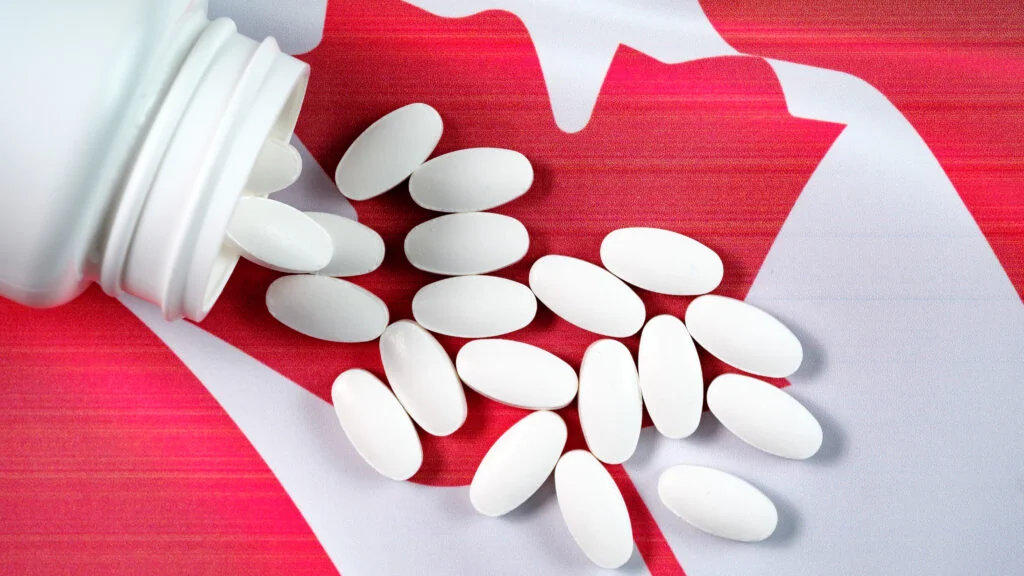
A bipartisan coalition of lawmakers on Capitol Hill is mounting an urgent campaign to pressure the Trump administration to halt a looming regulatory change that threatens to choke off a vital lifeline for millions of Americans: the personal importation of prescription medications from abroad.
The regulation, scheduled to take effect next month, mandates that all pharmaceutical shipments entering the United States via international mail undergo a rigorous customs clearance process. By requiring a licensed customs broker and the submission of a financial entry bond for these packages, the administration is effectively imposing a logistical and financial barrier that patient advocates argue will render the practice of sourcing affordable drugs from Canada and other nations functionally impossible.
As healthcare costs continue to climb, this administrative pivot has sparked a firestorm of controversy, pitting the administration’s focus on border security and regulatory compliance against the stark economic reality faced by patients struggling to afford life-saving treatments.
The Core Conflict: Security vs. Affordability
The federal rule, formally titled the Indefinite Suspension of the De Minimis Exemption for Mail Shipments and New Postal Informal Entry, represents a fundamental shift in how the U.S. government monitors small-parcel imports. Under the "de minimis" provision—which historically allowed packages valued under $800 to enter the country with minimal documentation—thousands of Americans have long sourced medications from licensed international pharmacies to bypass the exorbitant prices of the U.S. commercial market.
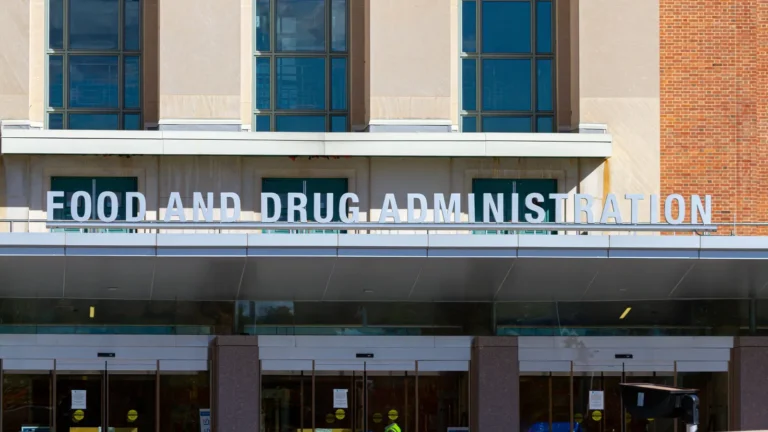
The administration maintains that this change is essential for protecting the American drug supply chain. Officials argue that unregulated imports pose a significant public health risk, potentially exposing consumers to counterfeit, mislabeled, or substandard medications that lack FDA approval.
However, critics in Congress argue that the rule is a blunt instrument. By imposing the requirement for a licensed customs broker—a service that costs significantly more than the price of a typical prescription refill—the government is not merely increasing safety protocols; it is effectively creating a prohibitive tax on patient choice.
A Chronology of the Importation Debate
To understand the current impasse, one must look at the two-decade evolution of the "drug bus" phenomenon.

- Early 2000s: As U.S. drug prices began to outpace inflation, a grassroots movement emerged. Retirees and chronic disease patients began organizing "bus trips" across the northern border, physically traveling to Canadian pharmacies to purchase essential medications like insulin and heart medication at a fraction of the U.S. cost.
- 2003–2010: Legislative attempts to legalize or regulate the personal importation of drugs surfaced repeatedly in Congress. Despite broad public support, the pharmaceutical lobby successfully blocked these measures, citing the potential for the entry of illicit substances.
- 2015–2020: The rise of e-commerce and international pharmacy portals digitized the process. While still technically operating in a "gray market" legal space, millions of Americans began receiving their prescriptions by mail.
- June 2026: The Trump administration published the final rule, arguing that the volume of small-package imports had become a security vulnerability that could not be ignored.
- September 2026 (Present): With the rule set to go into effect in October, a bipartisan group of senators and representatives has formally requested an indefinite delay, arguing that the infrastructure to manage these shipments does not exist for individual consumers.
Supporting Data: The Economic Toll on Patients
The pushback is driven by sobering economic data. For many Americans, particularly those on fixed incomes or those without comprehensive insurance, the choice is often between bankruptcy and international sourcing.
A 2025 study by the Patient Access Coalition found that roughly 12% of American adults have, at some point, either skipped a dose of their medication or failed to fill a prescription due to cost. For those managing chronic conditions such as diabetes, multiple sclerosis, or rheumatoid arthritis, the price differential between a U.S. pharmacy and an international counterpart can be upwards of 70% to 80%.
The new customs requirement threatens to eliminate these savings entirely. If a patient is forced to pay a customs broker’s fee—which can range from $50 to $200 per entry—the cost of a $40 vial of insulin could effectively triple, erasing any benefit of the international transaction. Furthermore, the administrative burden of filing an entry bond is a hurdle that few individuals are equipped to navigate, effectively ending the practice for the average citizen.
Official Responses and Administrative Stance
The Department of Homeland Security (DHS) and Customs and Border Protection (CBP) have defended the rule as a necessary evolution of border enforcement.
"Our mandate is to ensure that every product entering the United States meets our rigorous safety and documentation standards," a spokesperson for the administration stated earlier this week. "The previous exemption was exploited by bad actors to ship unregulated goods. This is not about restricting access to medicine; it is about ensuring that if a drug is consumed by an American, it is verified as safe."
Conversely, the bipartisan congressional group—led by representatives from border states and those with high concentrations of elderly residents—has characterized the rule as an "administrative overreach" that ignores the practical realities of the U.S. healthcare system.
"We cannot prioritize bureaucratic uniformity over the survival of our constituents," one leading senator noted in a recent letter to the White House. "If the administration insists on these new barriers, they must simultaneously provide a mechanism for individuals to import their medicine without being treated like commercial importers of industrial goods."
Implications: The Potential for a Healthcare Crisis
The implications of the October deadline are profound. Should the rule proceed as written, experts predict a significant disruption in the continuity of care for millions of patients.

1. The Impact on Chronic Disease Management
The immediate risk is to patients who rely on daily medication to remain stable. A sudden interruption in their ability to source affordable medication could lead to a spike in emergency room visits and hospitalizations, placing a further burden on an already strained healthcare system.
2. Legal and Regulatory Precedent
This rule establishes a firm precedent that the government will no longer turn a blind eye to personal importation. By forcing these shipments into the formal entry system, the administration is essentially closing a loophole that served as a safety valve for the U.S. pharmaceutical pricing crisis.
3. Political Fallout
The timing of this rule, occurring just weeks before a major election cycle, has turned it into a potent political issue. Lawmakers are now being asked to take a stand: do they support the sanctity of the drug supply chain as defined by the administration, or do they prioritize the immediate financial relief of their constituents?
4. Future of "Drug Tourism"
If international mail-order becomes impossible, observers anticipate a return to the "drug bus" era—or worse, a surge in black-market activity. When individuals are desperate for life-saving medicine, they will find ways to acquire it. If legitimate, licensed international pharmacies are blocked, patients may turn to illicit websites that lack even the basic safety checks provided by international regulatory bodies.
Conclusion: A Race Against Time
As the calendar turns toward October, the pressure on the Trump administration to provide a "carve-out" or a grace period for personal medical shipments is mounting. While the administration has signaled a willingness to review the feedback from Congress, there has been no formal announcement of a stay on the implementation.
For now, patients, pharmacists, and lawmakers remain in a state of suspended animation. The intersection of trade policy and public health has rarely been this volatile, and the consequences of the coming weeks will be felt in the homes of millions of Americans who view their international mail-order prescriptions not as a regulatory challenge, but as a medical necessity.
The question remains: Will the administration prioritize a rigid enforcement of customs protocol, or will they yield to the urgent pleas of those who argue that the cost of this policy is measured not in dollars, but in human health?