










By Medical Tech Industry Reporting Team
Published: June 17, 2026
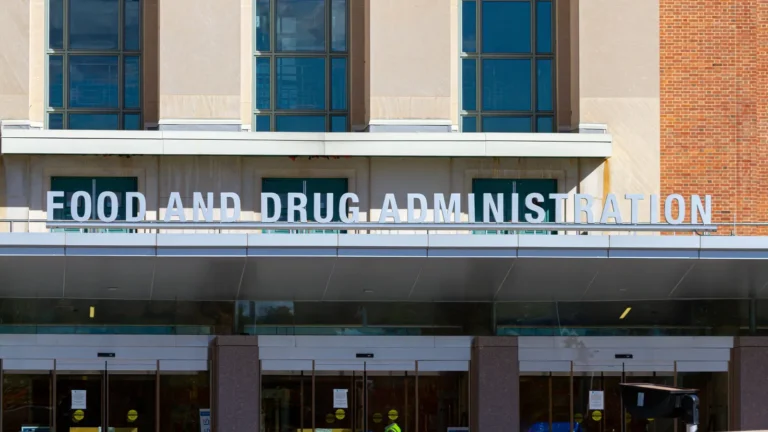
The medical technology landscape is currently grappling with a significant supply chain bottleneck that threatens to disrupt standard oncology care pathways. As of mid-June 2026, the U.S. Food and Drug Administration (FDA) has officially extended its forecast for the ongoing shortage of breast biopsy needles, a critical component in the early detection and diagnosis of breast cancer. This development follows a turbulent start to the year, initiated by the voluntary market removal of specific Hologic biopsy components, which has since created a cascading effect across healthcare facilities nationwide.
The Genesis of the Crisis: Hologic’s Market Withdrawal
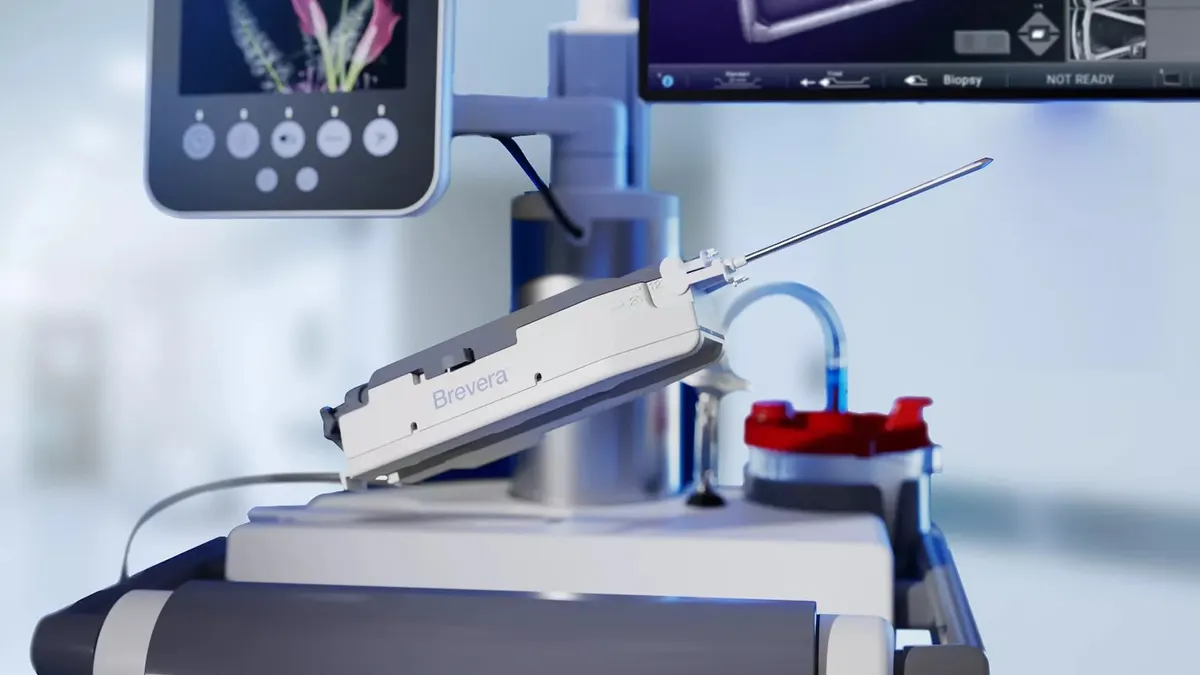
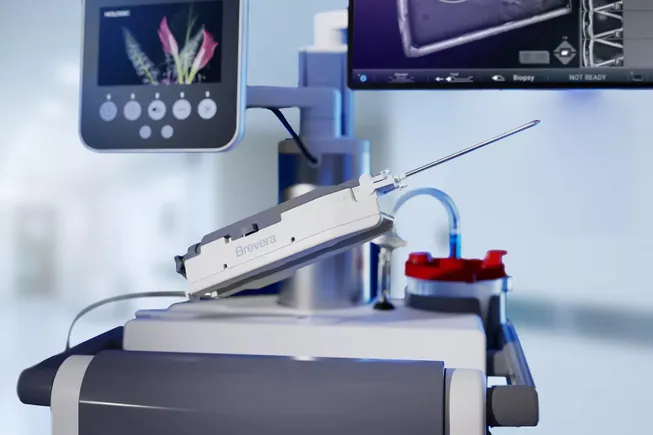
The current supply constraints can be traced back to January 2026, when Hologic, a global leader in women’s health technology, initiated the removal of specific 9-gauge needles used with its flagship Brevera Breast Biopsy System. While the removal was intended to address specific product concerns, the market impact was immediate and profound.
The Brevera system is widely utilized in clinical settings for its integrated real-time imaging and tissue-sampling capabilities. When the supply of its specialized needles was curtailed, hospital systems and independent imaging centers that rely heavily on the Brevera platform found themselves unable to perform standard biopsy procedures at their usual volumes. Because these needles are proprietary and designed specifically for the mechanics of the Brevera system, providers could not simply swap them for generic alternatives without potentially compromising the diagnostic integrity of the procedure.
Chronology of the Shortage
- January 2026: Hologic announces the market removal of certain 9-gauge needles for the Brevera Breast Biopsy System, citing internal quality assessments.
- March 2026: Recognizing the widening gap between supply and demand, the FDA officially adds breast biopsy needles to its Medical Device Shortage List, alerting providers that the situation is no longer localized but a systemic issue.
- May 2026: The American College of Radiology (ACR) issues a formal warning, noting that existing market alternatives are insufficient to meet the clinical demand, leading to a broader strain on the medical supply chain.
- June 2026: The FDA updates its guidance, extending the expected duration of the shortage and issuing a comprehensive set of conservation strategies for healthcare providers.
Understanding the Clinical Implications
The implications of this shortage extend far beyond logistical frustration; they strike at the heart of patient care. Breast biopsies are the gold standard for confirming or ruling out cancer following suspicious findings on a screening mammogram or ultrasound. Any delay in performing these biopsies can lead to significant patient anxiety and, in worst-case scenarios, a delay in critical cancer staging and treatment.
The American College of Radiology (ACR) highlighted this tension in their May report, emphasizing that "limited alternatives have not fully met clinical demand." This suggests a "multiplier effect," where the initial shortfall of one specific product has forced clinicians to pivot to other manufacturers, subsequently overwhelming the capacity of those secondary suppliers and creating a domino effect across the entire sector.
FDA Recommendations: Navigating the Supply Deficit
In its latest advisory, the FDA has moved from merely identifying the problem to providing a roadmap for institutional management. The agency’s recommendations are designed to help providers maintain diagnostic throughput while navigating the scarcity:
1. Diversification and Inventory Management
The FDA suggests that healthcare facilities should actively diversify their needle gauge and length inventories. By broadening the range of compatible devices, institutions may be able to utilize non-standard needles for specific patient profiles where clinically appropriate.
2. Strategic Conservation and Waste Reduction
"Limiting device waste" is a primary directive from the FDA. This involves a rigorous review of clinical protocols to ensure that only the necessary number of needles is used per patient. Furthermore, the agency advises providers to monitor inventory levels in real-time, moving away from "just-in-time" ordering and toward a more robust, forecast-based procurement model based on historical biopsy volumes.
3. Triage and Prioritization
Perhaps the most difficult instruction for clinicians is the requirement to prioritize patients. The FDA encourages focusing on minimizing delays for urgent cancer diagnoses or urgent treatments. This implies that routine biopsies for low-risk findings may be deferred to ensure that high-risk cases remain within the recommended diagnostic window.

Industry Response: Hologic’s Mitigation Strategy
Hologic has acknowledged the burden this shortage places on the clinical community and has outlined several steps to rectify the supply deficit. On its official website, the company states that it is aggressively expanding manufacturing shifts to increase the throughput of biopsy needle production.
Furthermore, in an attempt to provide flexibility to its clients, Hologic has updated the operational software and configurations of the Brevera system. By enabling the system to function as a standalone imaging unit, the company hopes to streamline clinical workflows in facilities where the specialized needle supply remains intermittent. These updates are intended to ensure that while the supply chain is repaired, the existing technological infrastructure remains as functional as possible.
Data and Supply Chain Vulnerabilities
The current crisis has exposed a fragile dependency within the medical device ecosystem. The reliance on highly specialized, proprietary hardware—while beneficial for diagnostic accuracy and workflow efficiency—creates a "single-point-of-failure" vulnerability.
Industry analysts suggest that the concentration of market share in a few major players like Hologic, while beneficial for R&D and standardizing care, lacks the redundancy necessary to survive supply shocks. As providers are forced to look for alternatives, they are encountering a market that was already operating at high capacity. The surge in demand for non-Hologic needles has led to lead-time extensions across the board, affecting even those facilities that do not utilize the Brevera system.
The Road Ahead: Long-Term Outlook
As of late June 2026, there is no immediate "end date" for the shortage. The FDA’s extension of the shortage timeline suggests that the agency anticipates several more months of logistical challenges. For patients, this means that scheduling a biopsy may continue to involve longer wait times than those seen in pre-2026 data.

For healthcare administrators, the current situation serves as a stark reminder of the need for greater supply chain visibility. The shift toward more decentralized procurement and the maintenance of "buffer stocks" for critical diagnostic disposables is likely to become a permanent fixture in hospital operations post-2026.
Conclusion: Balancing Efficiency and Security
The breast biopsy needle shortage is a multi-faceted challenge that highlights the intersection of advanced medical technology and global supply chain logistics. While Hologic works to ramp up production and the FDA facilitates a conservation strategy, the clinical community remains in a state of high alert.
The focus now shifts to how effectively hospitals can implement the FDA’s conservation strategies without compromising patient outcomes. As the industry looks toward the second half of 2026, the priority remains clear: ensuring that the diagnostic pathway for breast cancer patients remains as uninterrupted as possible, even in the face of significant industrial headwinds. Stakeholders are advised to monitor the FDA’s medical device shortage website for weekly updates as manufacturing output stabilizes.