










June 17, 2026 — The landscape of psychiatric medicine is shifting with unprecedented velocity. As we approach the midpoint of 2026, the intersection of advanced neuromodulation, metabolic pharmacology, and nuanced diagnostic research is redefining how clinicians approach complex mental health disorders. From the FDA’s endorsement of personalized brain mapping for trauma to the sobering reality of drug development failures, the sector is experiencing a period of intense volatility and discovery.
I. Neuromodulation and Precision Psychiatry: The Wave Neuroscience Breakthrough
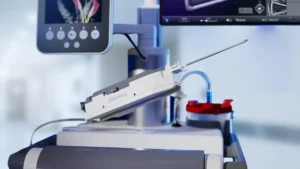
The most significant regulatory development this week comes from the FDA, which has granted clearance to Wave Neuroscience’s biomarker-guided neuromodulation system, known as MeRT (Magnetic e-Resonance Therapy), for the treatment of post-traumatic stress disorder (PTSD).
The Mechanics of MeRT
Unlike traditional transcranial magnetic stimulation (TMS), which often utilizes a "one-size-fits-all" approach to cortical stimulation, MeRT integrates functional brain imaging—specifically EEG and EKG data—to tailor treatment. By analyzing the patient’s individual brain wave patterns, the system identifies specific dysrhythmias and applies magnetic stimulation at frequencies designed to "reset" or reorganize neural activity.
This clearance marks a transition toward "precision psychiatry," where treatment protocols are dictated by objective physiological data rather than purely symptom-based assessment. For the millions of veterans and civilians suffering from treatment-resistant PTSD, this provides a non-pharmacological pathway that addresses the underlying neurobiological signatures of the disorder.
II. Metabolic Psychiatry: The GLP-1 Paradigm Shift
While the psychiatric community has long focused on neurotransmitter pathways like serotonin and dopamine, the sudden rise of GLP-1 receptor agonists (such as semaglutide) has forced a radical re-evaluation of the gut-brain axis.
Anecdote vs. Evidence
Recent discourse on social media platforms has been rife with anecdotal reports suggesting that GLP-1 drugs may mitigate symptoms of attention deficit-hyperactivity disorder (ADHD). Patients report improved executive function and reduced impulsivity while undergoing treatment for weight management.
However, the medical establishment is urging caution. Claims data published in the Journal of Clinical Psychiatry revealed that psychiatrists were responsible for approximately 6% of all GLP-1 prescriptions for privately insured U.S. patients between 2018 and 2023. This data point is crucial: it suggests that psychiatrists are already actively experimenting with these agents, likely off-label, for patients with comorbid mood disorders and metabolic syndrome.
The clinical implication is profound. If GLP-1 agonists influence reward circuitry in the brain—potentially curbing addictive behaviors and impulsivity—they could represent the first new class of "behavioral modulators" in decades. Large-scale, randomized controlled trials are now urgently required to move beyond anecdotal optimism and verify whether these metabolic agents have a legitimate role in neuro-psychiatric care.
III. Emerging Challenges in Diagnostics and Chronic Care
The Anorexia-Interoception Link
A study published in JAMA Psychiatry has shed new light on the physiological foundations of anorexia nervosa. Researchers examining weight-restored women found that gastrointestinal interoception—the body’s ability to sense internal signals—was significantly disrupted across multiple domains. Crucially, these interoceptive deficits were statistically tied to higher relapse risks.
This finding suggests that even after physical weight restoration, the neurological "map" of the body remains compromised in patients with eating disorders. Future treatment models may need to incorporate interoceptive retraining alongside nutritional therapy to ensure long-term stability.
The Substantia Nigra and Psychosis
In the realm of severe mental illness, a meta-analysis published in the American Journal of Psychiatry has identified a correlation between psychosis and lower subcortical iron-sensitive MRI values, particularly within the substantia nigra. This anatomical finding offers a potential biomarker for tracking the progression of psychotic disorders and suggests that iron metabolism in the brain may be a previously under-investigated component of the schizophrenia spectrum.
IV. Chronology of Recent Clinical Milestones (June 2026)
- June 10: Public discourse intensifies regarding the "off-label" use of weight-loss drugs for ADHD symptom management.
- June 12: Axios highlights the growing medical recognition of paternal postpartum depression, breaking down the stigma surrounding male mental health following the birth of a child.
- June 16: A specialist in Alzheimer’s research publishes a deeply personal account in STAT, detailing the diagnostic challenges of identifying early-stage dementia in her own father, underscoring the limitations of current clinical infrastructure.
- June 17: Wave Neuroscience receives official FDA clearance for MeRT for PTSD, signaling a regulatory win for neuromodulation.
- June 17: Neumora Therapeutics formally announces the termination of its navacaprant development program after dual failures in Phase 3 clinical trials, a reminder of the high-risk nature of psychiatric drug discovery.
V. The Failure of Novel Therapeutics: The Case of Navacaprant
Not all news in the sector is positive. Neumora Therapeutics’ decision to scrap its investigational depression drug, navacaprant, serves as a sobering reminder of the difficulties inherent in CNS (Central Nervous System) drug development. Despite early-stage promise, the drug failed to meet primary endpoints in the "KOASTAL" program.
This failure underscores the "valley of death" in psychiatric research, where compounds that appear effective in preclinical models often fail to show significant efficacy against the high placebo response rates common in depression trials.
VI. Integrative Approaches and Non-Pharmacological Interventions
Psychological Interventions for Schizophrenia
A systematic review and meta-analysis, also appearing in JAMA Psychiatry, found that psychological and psychosocial interventions provide small-to-medium effect sizes in reducing the intensity of auditory hallucinations. This confirms that while antipsychotic medication remains the gold standard, adjunctive psychosocial therapy is essential for managing the most debilitating symptoms of schizophrenia.
Probiotics and Geriatric Depression
A promising trial published in the Journal of the American Geriatrics Society suggests that the gut microbiome may be a viable target for treatment. Geriatric patients who added probiotic supplementation to their standard care regimen experienced modest improvements in anxiety and depressive symptoms compared to placebo groups. While not a cure, this points toward a holistic, low-risk, and inexpensive augmentation strategy for an aging population.
The Limits of At-Home Stimulation
Conversely, the search for "at-home" psychiatric devices hit a snag. A randomized study in China, published in the Journal of Affective Disorders, found that at-home, low-field magnetic stimulation failed to outperform sham devices in patients with bipolar depression. This reinforces the necessity of professional supervision in neuromodulation and suggests that "consumer-grade" brain stimulation remains scientifically unproven.
VII. Implications for the Future of Psychiatry
The developments of the past week highlight three distinct trends that will likely define the next five years:
- The Death of the "One-Size-Fits-All" Model: With MeRT’s FDA clearance, the industry is moving toward a future where we map the brain before we treat it.
- The Convergence of Metabolic and Mental Health: The psychiatric community can no longer ignore the systemic impact of metabolic drugs. The dual-use of GLP-1s for weight and behavioral regulation will likely become a primary area of clinical research.
- The Challenge of Translation: The failure of navacaprant and the limitations of at-home devices serve as a reality check. Innovative biological theories are essential, but they must survive the rigor of clinical trials before they can be integrated into the standard of care.
As practitioners, we are operating in an era where the boundary between "physical" medicine and "psychiatric" medicine is dissolving. The successful integration of these findings requires a balanced approach: one that embraces technological innovation, such as precision neuromodulation, while remaining tethered to the robust, large-scale evidence required to ensure patient safety and clinical efficacy.
The road ahead is complex, but the convergence of these diverse fields offers a more personalized, more biological, and more comprehensive toolkit than the profession has ever possessed.