







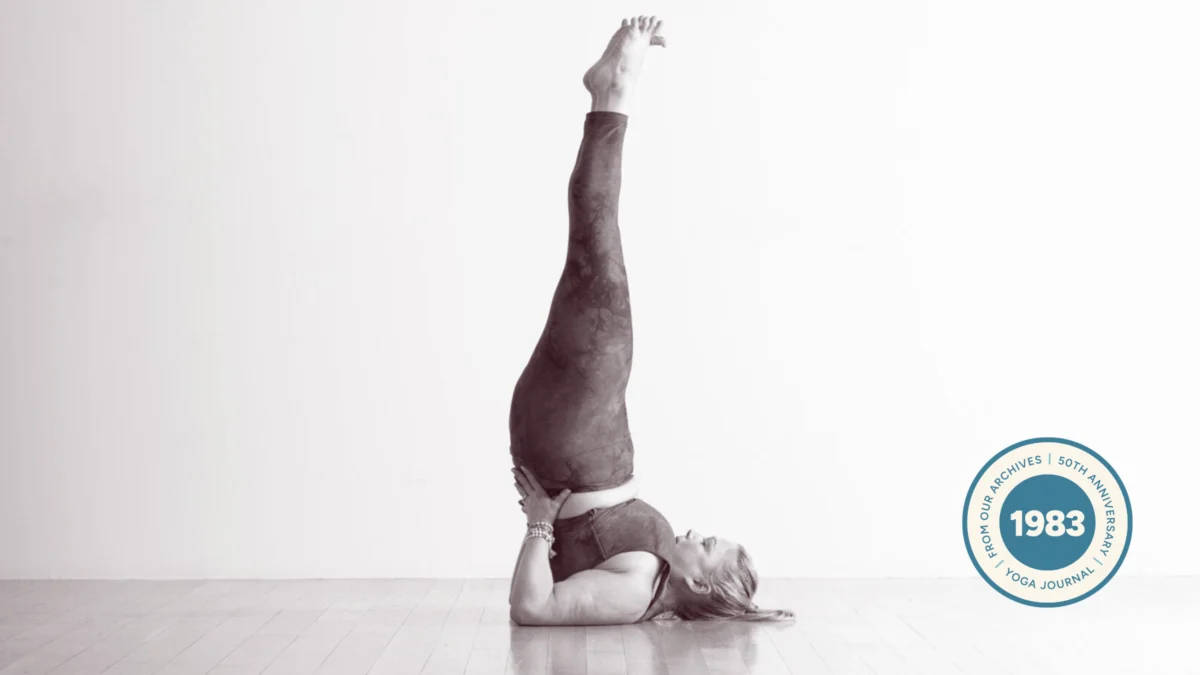
Originally published in the November-December 1983 issue of Yoga Journal, this archival exploration remains a cornerstone for understanding the intersection of ancient practice and modern physiology.
For decades, Sirsasana (Headstand) and Sarvangasana (Shoulderstand) have been heralded as the "king" and "queen" of asanas. Within the vast lexicon of yoga postures, these inversions occupy a position of reverence, often cited as the bedrock of a complete practice. By fundamentally altering the body’s orientation to gravity, these postures initiate a cascade of physiological shifts that extend far beyond mere physical exertion. However, as contemporary interest in yoga surges, so too does the necessity for a rigorous examination of the mechanics, benefits, and safety protocols surrounding these poses.
The Science of "Big G": Gravity and Human Physiology
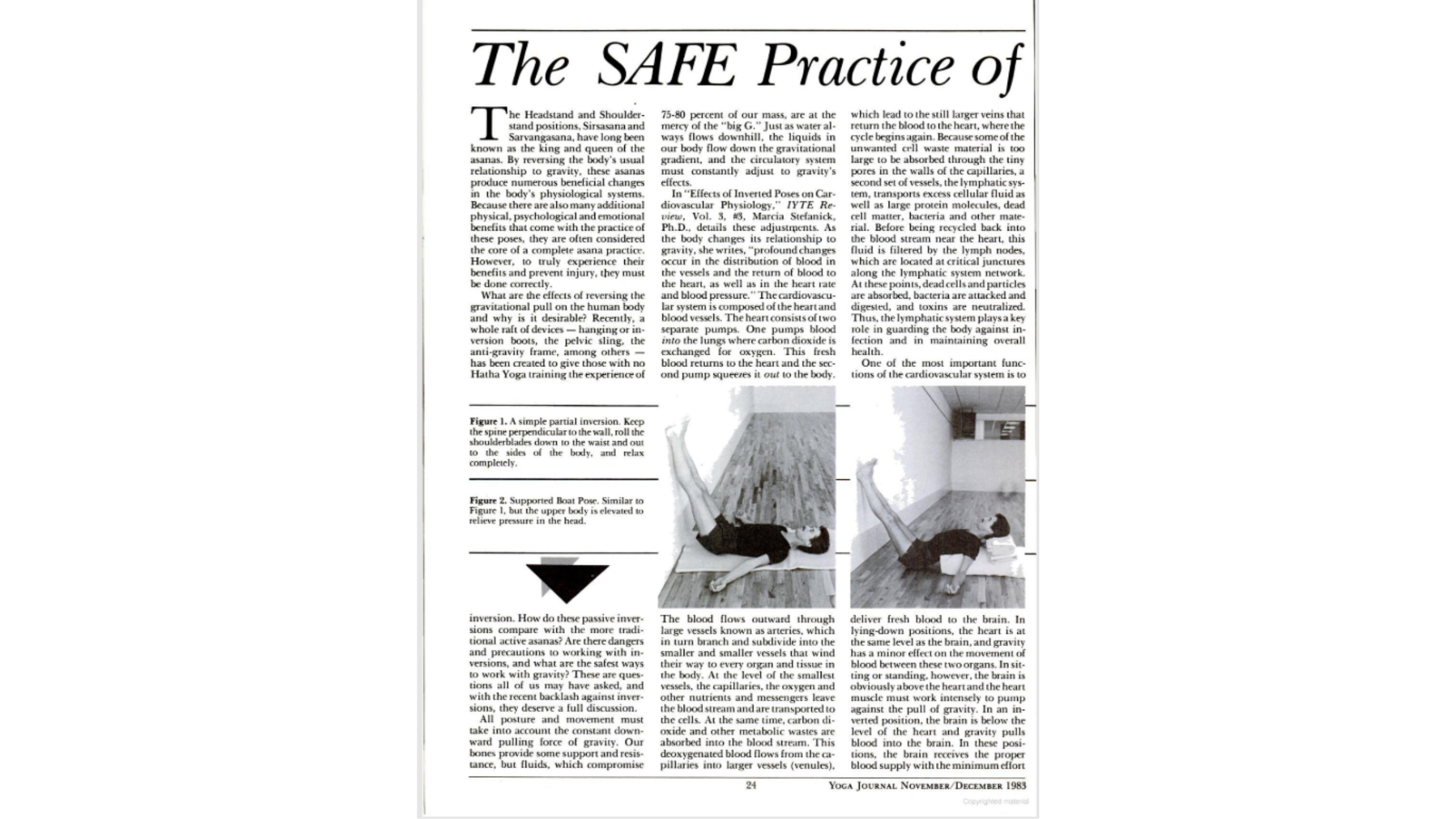
To understand the efficacy of inversions, one must first respect the constant force of gravity. Our bodies are essentially fluid-based systems; 75 to 80 percent of our total mass consists of liquids—blood, lymph, and interstitial fluid—that are perpetually governed by the "big G."
In our daily upright existence, the circulatory system works tirelessly to overcome this downward gradient. When we stand, the heart must pump blood vertically against gravity to reach the brain. When we sit or stand for extended periods, blood and lymphatic fluid inevitably pool in the lower extremities. While the body possesses natural mechanisms to combat this—namely the respiratory pump and the rhythmic contraction of skeletal muscles—these systems are often insufficient for the modern, sedentary lifestyle.
The Cardiovascular Cascade
The cardiovascular system, comprising the heart and a complex network of vessels, is the primary beneficiary of inverted practice. Dr. Marcia Stefanick, writing in the IYTE Review, notes that as the body transitions into an inversion, profound shifts occur in blood distribution, venous return, and cardiac workload.
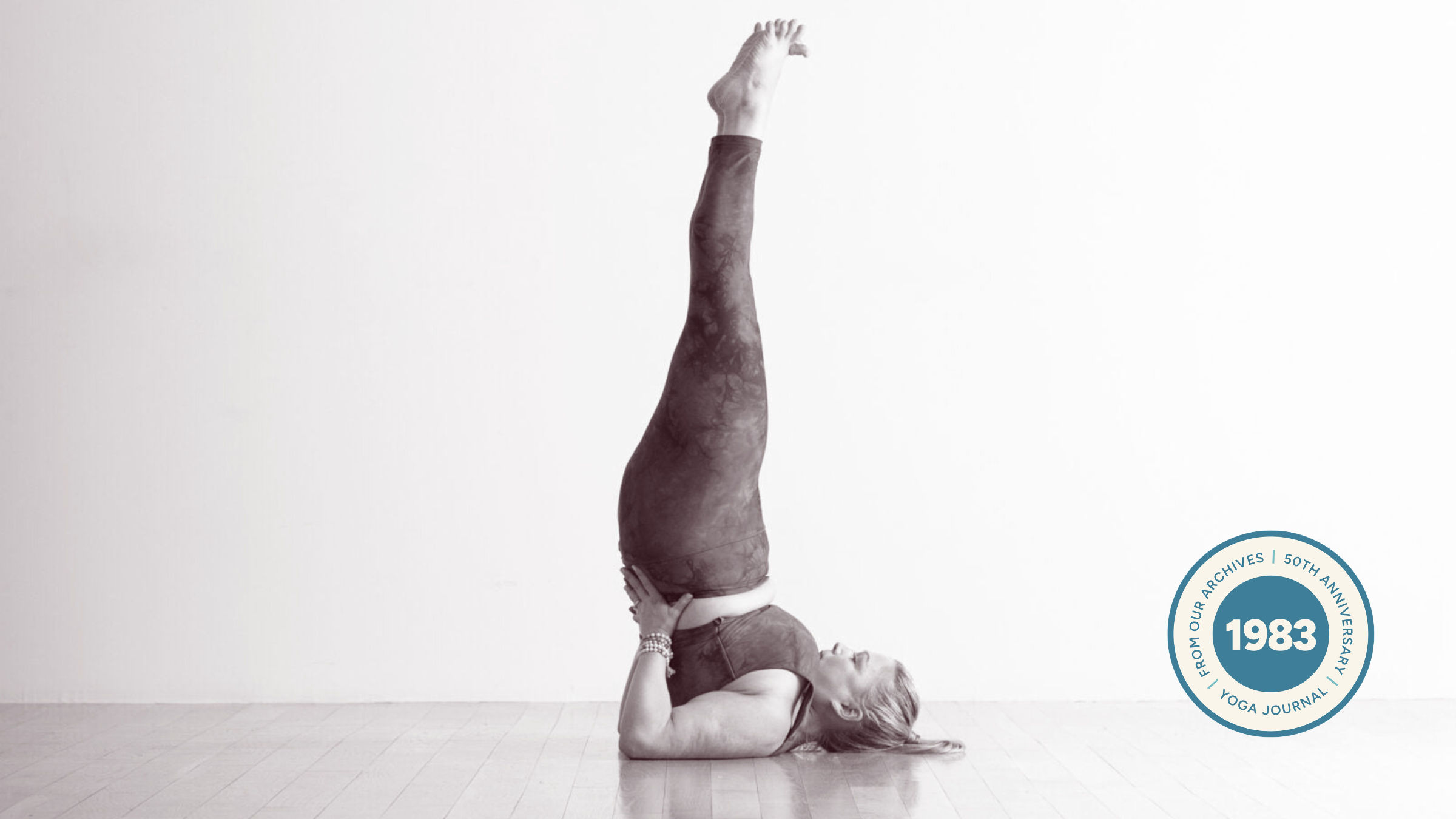
In a standard upright posture, the heart functions as a dual pump: the first circuit oxygenates blood in the lungs, while the second distributes this nutrient-rich fluid throughout the body. When inverted, the brain—usually the most "expensive" organ for the heart to supply—sits below the heart. Gravity assists the flow, allowing for optimal perfusion with minimal cardiac effort.
Chronology of Clinical Observation
The study of yoga’s impact on the body is not a new endeavor. In the early 1980s, researchers began to quantify what yogis had experienced for millennia. A pivotal study conducted by Shanker Rao (documented in James Funderburk’s Science Studies Yoga) provided a clear window into how the heart responds to postural changes.
Comparative Heart Rate Data (Beats Per Minute)
- Supine (Lying Down): 67 bpm
- Inversion (Headstand): 69 bpm
- Standing: 84 bpm
The data is striking. While the heart rate during a Headstand is slightly higher than in a supine position, it remains significantly lower than when standing. This suggests that the body is not under "stress" in the traditional sense when inverted; rather, it is operating in a state of efficiency. The subtle increase in pressure within the head and chest region during these poses serves a vital function: it maintains the elasticity of the blood vessels and surrounding tissues, a key marker of long-term vascular health.
The Lymphatic System: The Body’s Filtration Network
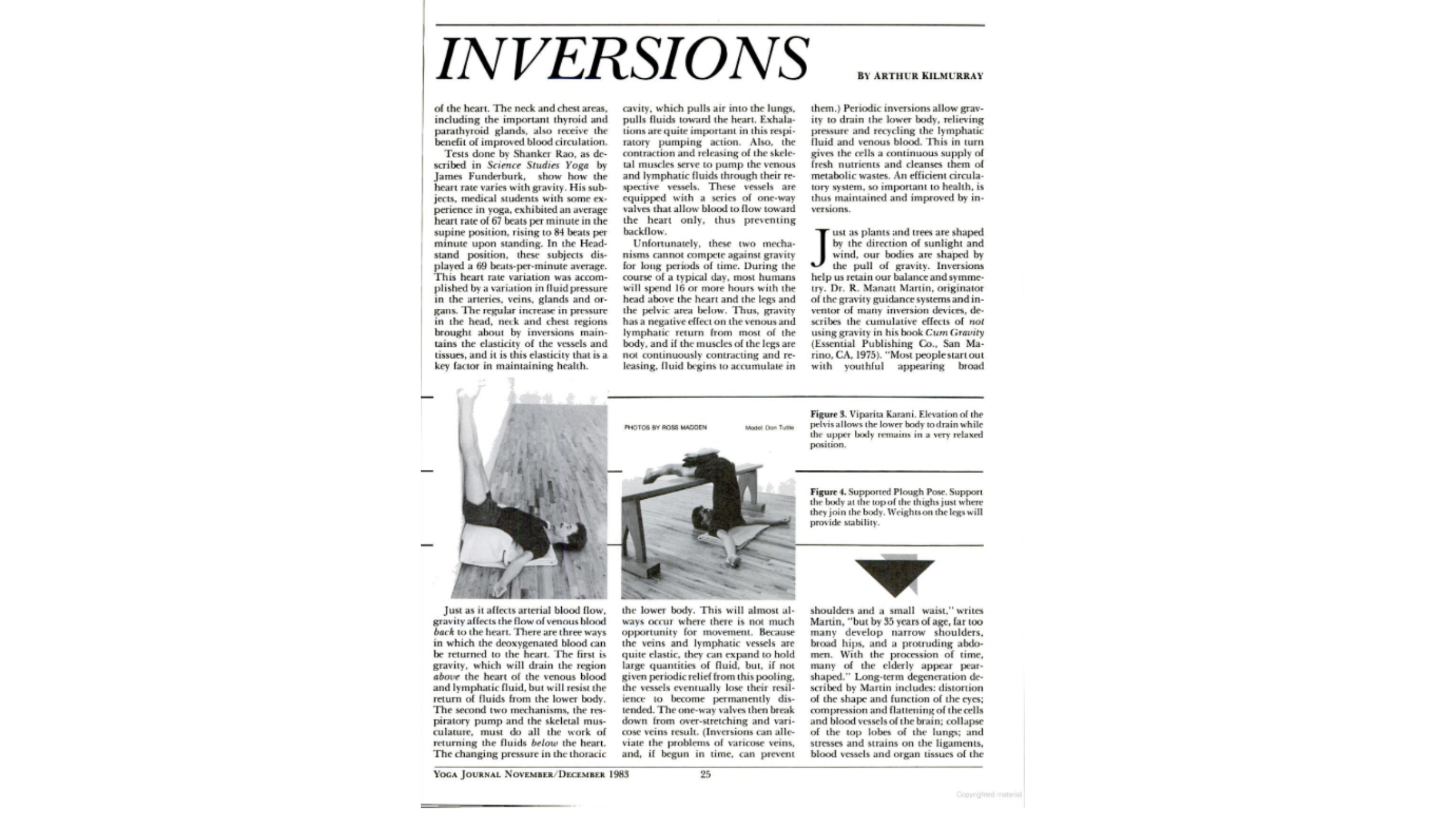
While much of the conversation regarding inversions centers on blood pressure, the impact on the lymphatic system is arguably more significant for overall health. Unlike the cardiovascular system, the lymphatic system lacks a central pump. It relies entirely on muscular movement and external pressure changes to circulate.
The lymphatic system serves as the body’s waste-management department. It transports excess cellular fluid, large protein molecules, and metabolic debris to lymph nodes, where bacteria are neutralized and cellular waste is processed. When we remain upright without movement, the lymphatic system struggles against gravity, leading to fluid stagnation.
Inversions provide a "drainage" effect. By reversing the gravitational gradient, they encourage the movement of lymph from the extremities toward the thoracic duct, facilitating a more efficient cleansing process. This systemic "rinse" ensures that cells receive fresh nutrients while metabolic waste is effectively removed, reinforcing the body’s immune defenses.
Addressing the Backlash: Safety and Contraindications
The rising popularity of inversions has naturally led to a more critical examination of their risks. In recent years, a necessary "backlash" has emerged, emphasizing that inversions are not a universal panacea and can, if practiced incorrectly, lead to significant injury.
Who Should Avoid Inversions?
The medical community and veteran yoga instructors are unified in the belief that caution must be the guiding principle. Inversions are contraindicated for individuals with:
- Hypertension (High Blood Pressure): The rapid shift in pressure can overtax the vascular system.
- Ocular Conditions: Conditions such as glaucoma or a history of detached retina are sensitive to the increased intraocular pressure that occurs during inversions.
- Neurological and Spinal Issues: Those with epilepsy, seizures, or spinal injuries must avoid these poses unless integrated into a medically supervised therapeutic program.
- Structural Risks: Individuals with hiatal hernias or those who have suffered strokes are generally advised to abstain.
Temporary and Age-Related Precautions
The context of the practitioner matters as much as the posture itself.
- Menstruation: Traditional practice discourages inversions during the menstrual cycle, as they may interfere with the natural downward flow (apana vayu).
- Pregnancy: Inversions should be limited to highly experienced practitioners under the watchful eye of a seasoned instructor.
- Osteoporosis: For older adults, the structural integrity of the vertebrae is a primary concern. The weight-bearing nature of Headstand or Shoulderstand can pose a risk of fracture for those with compromised bone density.
Implications for Modern Practice
The integration of inversions into a modern yoga practice requires a shift in perspective. We must move away from viewing these poses as "advanced" trophies to be conquered, and instead see them as sophisticated physiological tools that require respect, patience, and professional guidance.
The Path Forward: Best Practices
- Expert Supervision: Never attempt complex inversions, such as Sirsasana, without the presence of a qualified instructor who can monitor alignment and physical response.
- Gradual Progression: Utilize preparatory poses like Viparita Karani (Legs Up the Wall) to allow the circulatory system to adapt to gravity-defying positions.
- Mindful Awareness: Listen to the body’s feedback. If you experience dizziness, sharp pain, or ocular discomfort, exit the posture immediately.
- Consistency Over Intensity: The benefits of inversions are cumulative. Short, consistent, and safe practice yields better results than infrequent, intense sessions.
Conclusion
The "king" and "queen" of asanas offer a remarkable synthesis of ancient wisdom and biological necessity. By understanding the gravitational forces at play, practitioners can harness the physiological benefits of inversions to support cardiovascular health, lymphatic drainage, and cellular vitality. However, this power necessitates responsibility. As we continue to bridge the gap between yoga’s storied history and modern scientific inquiry, the message remains clear: the most effective practice is one that is balanced, informed, and—above all—safe.
Disclaimer: This article is for informational purposes only and does not constitute medical advice. Always consult with a healthcare professional before beginning any new exercise regimen, particularly if you have pre-existing health conditions.