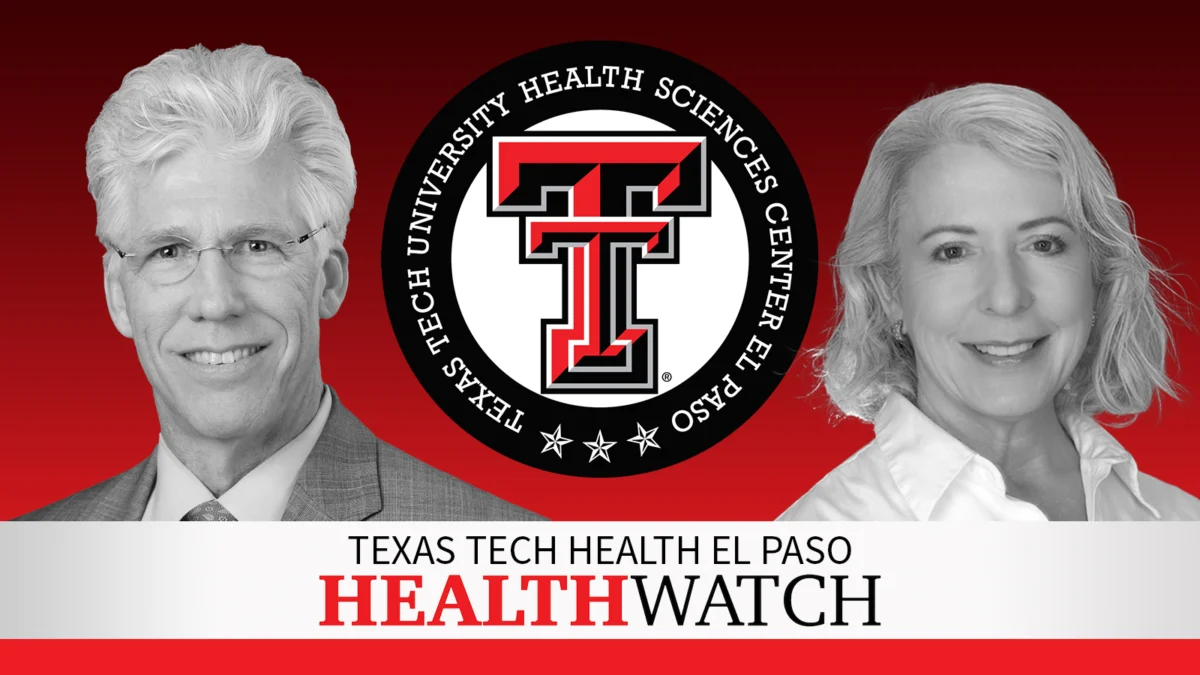
In an era of rapid medical innovation, distinguishing between established clinical practice and emerging evidence is a critical challenge for healthcare providers. This week, the TTHealthWatch podcast—a collaboration between medical journalist Elizabeth Tracey and Dr. Rick Lange, president of Texas Tech Health El Paso—sifts through the latest peer-reviewed literature. From the potential of structured exercise in cancer survivorship to the sobering realities of critical care interventions, this week’s discourse provides a vital update on evidence-based medicine.
Main Facts: The Intersection of Lifestyle and Critical Care
This week’s episode focuses on four major areas of medical research, highlighting both the successes of preventative interventions and the futility of certain long-standing hospital protocols.
The discussion centers on:
- Oncology and Lifestyle: A new meta-analysis suggesting structured exercise significantly improves survival outcomes for cancer patients.
- Gastroenterology: A landmark study evaluating the necessity of frequent colonoscopy surveillance following polyp removal.
- Immunology: The relationship between COVID-19 vaccination and the efficacy of immune checkpoint inhibitors (ICIs) in cancer patients.
- Critical Care: An evaluation of the clinical utility of sodium bicarbonate in treating metabolic acidosis in patients suffering from shock.
Chronology of Clinical Investigations
1. Exercise as a Pillar of Cancer Care
The program opens with a meta-analysis published in The BMJ, which synthesized data from 21 randomized controlled trials (RCTs). The study aimed to quantify the impact of structured exercise on patients post-cancer diagnosis. The findings were stark: a 23% improvement in overall survival and a 26% reduction in cancer-specific mortality.
2. Redefining Colonoscopy Surveillance
Dr. Lange highlighted a significant New England Journal of Medicine (NEJM) study addressing the frequency of colonoscopies after the initial removal of adenomas. With current U.S. guidelines often mandating a follow-up at three years, this study questioned whether pushing that interval to five years would impact long-term outcomes. The data, covering 11,000 patients, suggests that a five-year interval is non-inferior to a three-year interval regarding the 10-year incidence of colorectal cancer.
3. Vaccination and Immune Checkpoint Therapy
In Nature Medicine, researchers investigated whether COVID-19 vaccination interferes with the performance of ICIs. Analyzing a cohort of over 95,000 patients, the study found no evidence that vaccination hinders therapy. Instead, it identified a transient, modest reduction in all-cause mortality, suggesting that vaccination remains a safe and potentially beneficial practice for this vulnerable demographic.
4. The Utility of Sodium Bicarbonate in ICU Settings
Closing the episode, Dr. Lange discussed a pragmatic trial published in the NEJM involving 500 patients across seven countries. The study sought to determine if sodium bicarbonate could improve outcomes for patients in shock with metabolic acidosis. The conclusion was unequivocal: the intervention showed no benefit regarding mortality, the need for renal replacement therapy, or persistent kidney dysfunction.
Supporting Data and Mechanistic Insights
The "Why" Behind Exercise
The BMJ meta-analysis offered several theories as to why exercise improves survival. Dr. Lange and Ms. Tracey noted that exercise appears to enhance the infiltration of cytotoxic T cells and natural killer cells into tumor microenvironments. Furthermore, by increasing circulation, exercise may improve the physical penetration of cancer-fighting drugs into the tumor itself. Finally, metabolic shifts—such as increased glucose uptake and oxidation in skeletal muscles—may effectively "starve" the tumor of nutrients.
The "Five-Year" Colonoscopy Threshold
The NEJM study on colonoscopies is a significant blow to the "more is better" paradigm. By demonstrating that the cumulative incidence of colorectal cancer at 10 years was 0.8% for both the three-year and five-year surveillance groups, researchers have provided strong evidence that current guidelines may be overly aggressive, potentially leading to unnecessary procedures, costs, and patient anxiety.
Vaccination Safety in Oncology
The French cohort study provides critical data for oncologists hesitant to vaccinate patients on ICI therapy. Concerns regarding the potential for vaccines to trigger "cytokine storms" or interfere with immunotherapy efficacy were not supported by the data. The "healthy-recipient effect" may account for some of the survival benefits observed, but the bottom line remains: vaccination does not compromise cancer treatment.
Official Perspectives and Professional Discourse
Dr. Rick Lange, representing the academic and clinical leadership at Texas Tech Health El Paso, emphasized the importance of moving away from "tradition-based" medicine toward evidence-based rigor. Regarding the sodium bicarbonate study, he acknowledged that while previous small-scale trials suggested benefit, this larger, multicenter study serves as a definitive "closing of the door" on the practice in this context.
Elizabeth Tracey, drawing from her extensive background in medical journalism, emphasized the importance of questioning the "standard of care." She pointed out that many medical practices—like aggressive blood glucose control in the ICU—have previously been shown to be "largely futile" when subjected to the scrutiny of large-scale randomized trials. The discussion serves as a reminder that the medical community must remain agile, willing to discard old habits when new data suggests they provide no patient benefit.
Clinical and Public Health Implications
The Shift Toward Precision Surveillance
For the average patient, the colonoscopy finding is particularly welcome news. Colonoscopies are invasive, costly, and require uncomfortable preparation. If the medical community adopts a five-year interval for standard follow-ups, it will reduce the burden on both the healthcare system and the patient, allowing resources to be diverted to higher-risk populations.
Holistic Cancer Survivorship
The exercise meta-analysis reinforces a shift in oncological care: moving from a passive "waiting for results" approach to an active, patient-driven lifestyle modification model. The call to action here is clear: oncologists should be prescribing structured exercise as part of the standard treatment plan, not just as an auxiliary suggestion.
Mitigating Misinformation
The discussion on COVID-19 vaccination and cancer therapy serves as a vital tool in combating medical misinformation. By presenting data that confirms vaccinations are not only safe but potentially protective for cancer patients, the TTHealthWatch team provides a resource for clinicians to use in patient counseling.
Efficiency in Critical Care
The finding regarding sodium bicarbonate is a cautionary tale of "physiological reasoning" versus "clinical outcome." While it is true that sodium bicarbonate can improve laboratory values (like pH levels) and potentially make vasopressors work better in the short term, the ultimate goal—patient survival—is not impacted. This study serves as a critical update for ICU clinicians, emphasizing that correcting a lab value is not synonymous with treating the patient.
Conclusion: The Path Forward
The insights provided in this week’s TTHealthWatch encapsulate the evolving nature of modern medicine. By rigorously testing established interventions, the medical community continues to refine its approach, ensuring that patient care is based on high-quality, randomized evidence rather than historical precedent. As medical science advances, the mandate for both clinicians and patients remains the same: remain curious, challenge the status quo, and prioritize interventions that demonstrably improve longevity and quality of life.