


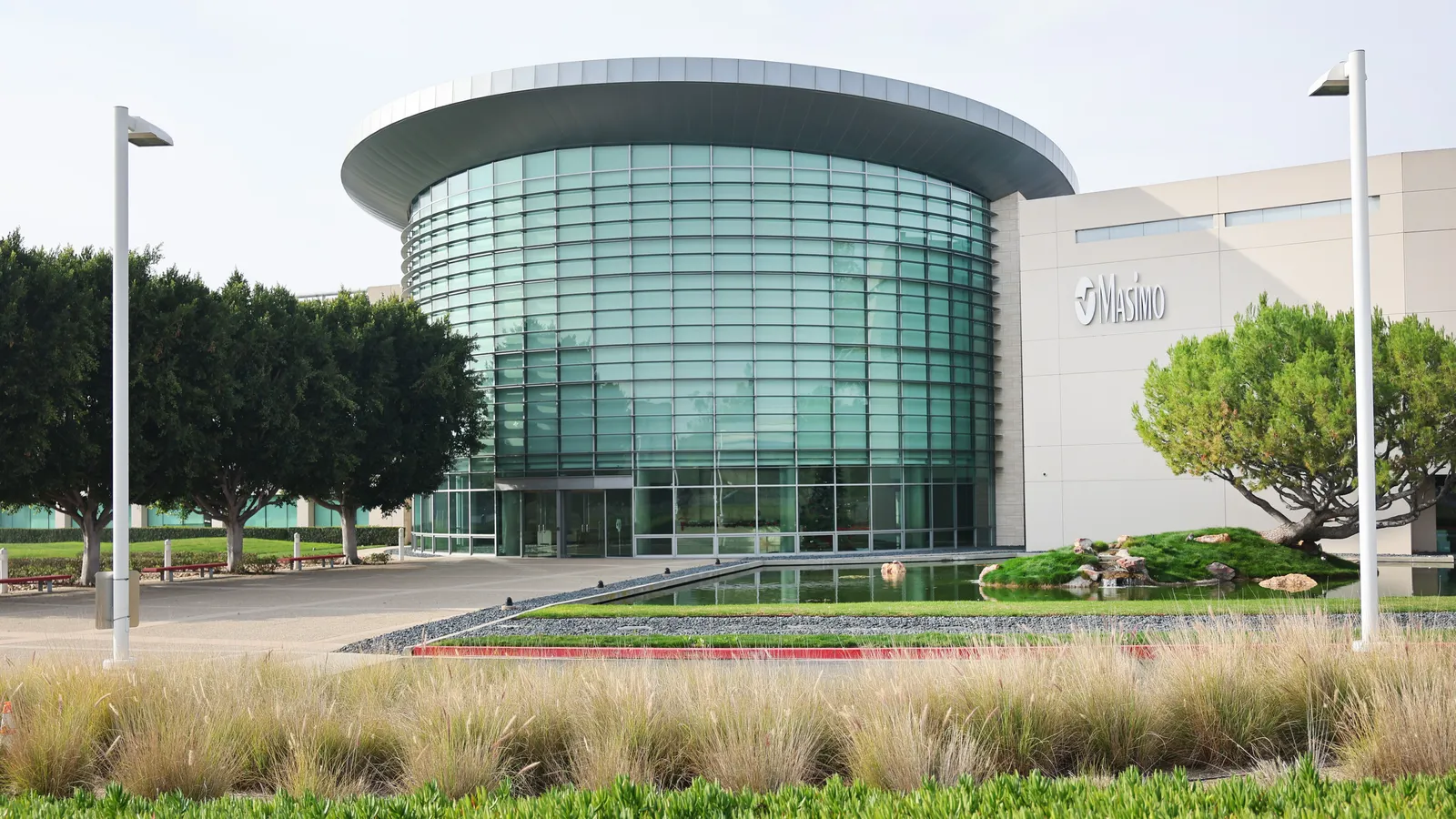
Danaher Corporation, the global science and technology powerhouse, has signaled a new era of aggressive expansion. Following the high-profile decision to acquire Masimo—a leader in non-invasive monitoring technologies—CEO Rainer Blair has made it clear that the company is not merely resting on its laurels. With a robust balance sheet and a refined operational strategy, Danaher is positioning itself to dominate the acute care landscape while maintaining the capacity for further high-value acquisitions.
Main Facts: A Decade-Long Pursuit
The acquisition of Masimo represents more than just a balance-sheet addition; it is the culmination of a ten-year strategic courtship. During Danaher’s first-quarter earnings call, CEO Rainer Blair underscored that the deal was built on a foundational belief in Masimo’s "trusted brand, differentiated technology, and attractive financial profile."
At its core, the deal is designed to leverage synergies within the hospital ecosystem. By integrating Masimo’s pulse oximetry and non-invasive patient monitoring expertise into Danaher’s existing diagnostics portfolio—specifically its Radiometer division—Danaher is creating a powerhouse for acute care settings. The products are intended to be sold as complementary solutions, allowing hospital procurement departments to streamline their vendor relationships by dealing with a single, comprehensive partner.
Chronology of the Deal and Strategic Evolution
The journey toward this integration was not an overnight decision. Danaher’s leadership spent over a decade monitoring Masimo’s performance, technical breakthroughs, and market positioning.
- The Early Years (2014–2019): Danaher analysts and corporate development teams monitored Masimo’s consistent growth in hospital pulse oximetry, noting its ability to maintain high margins despite competition from industry giants like Medtronic.
- The Strategic Alignment (2020–2023): As Danaher pivoted toward a pure-play life sciences and diagnostics company, the need for deep integration in acute care settings became more apparent. The post-pandemic shift toward centralized, data-driven hospital procurement created the perfect environment for a merger.
- Finalization (2024): After years of evaluation, the two companies reached an agreement. The move was framed by Danaher leadership as a critical step in their goal to be the "provider of choice" for the world’s leading Integrated Delivery Networks (IDNs).
Supporting Data: Why Masimo?
The financial and operational logic for the deal rests on three pillars: geographic expansion, cross-selling potential, and market consolidation.
Geographic Synergy
One of the most compelling aspects of the merger is the complementary geographic footprint. Radiometer, a Danaher company founded in Denmark, holds a dominant position in European clinical markets. Conversely, Masimo maintains a robust, entrenched presence in the United States. This inverse strength allows Danaher to use its global infrastructure to scale Masimo’s products in Europe while utilizing Masimo’s U.S. network to bolster Radiometer’s reach. Danaher CFO Matt Gugino noted that there is significant, untapped potential for cross-pollination across these two regions.
Addressing the IDN Mandate
The modern healthcare landscape is dominated by Integrated Delivery Networks (IDNs)—large hospital systems that demand consolidated purchasing power. IDNs are increasingly shifting away from "best-of-breed" fragmented purchasing toward long-term, enterprise-wide agreements with a select few vendors. By folding Masimo into its diagnostics portfolio, Danaher is now capable of offering a broader "bundled" value proposition, making it an indispensable partner for major hospital systems.
Competitive Positioning
Masimo currently occupies a significant portion of the pulse oximetry market, standing as a primary rival to Medtronic. However, the horizon is shifting. Technology giants—including Alphabet, Amazon, Apple, and Samsung—have begun integrating pulse oximetry into consumer wearables. By joining the Danaher ecosystem, Masimo gains the R&D resources and institutional backing to defend its premium clinical position against the encroachment of lower-cost consumer-grade devices.
Official Responses and Corporate Philosophy
During recent investor conferences and earnings calls, the leadership team at Danaher has been transparent about their vision. CEO Rainer Blair emphasized that the company possesses the "leadership bandwidth" required to integrate Masimo without distracting from its existing business units.
"We see plenty of opportunity to deploy capital," Blair stated. "We are fully prepared to do that as the opportunities arise." This statement confirms that while Masimo is a centerpiece of the current growth phase, it is by no means the end of Danaher’s M&A activity. The company maintains a disciplined approach to capital allocation, favoring companies that align with their proprietary "Danaher Business System" (DBS)—a management philosophy focused on continuous improvement and operational efficiency.
Implications: The Path Forward
The implications of the Masimo acquisition ripple through both the medical technology sector and Danaher’s own corporate structure.
1. The Consolidation of Acute Care
As Danaher integrates Masimo, competitors should expect a more aggressive stance in hospital procurement. By controlling critical diagnostic tools—from blood gas analysis (Radiometer) to patient monitoring (Masimo)—Danaher is effectively creating a "walled garden" that increases switching costs for hospitals. This makes the company more resilient to economic downturns, as these tools are essential, non-discretionary medical necessities.

2. A Blueprint for Future M&A
Danaher’s strategy serves as a blueprint for how large conglomerates operate in the current high-interest-rate environment. By focusing on "tuck-in" acquisitions that offer immediate synergies rather than speculative moonshots, Danaher minimizes integration risk. The success of the Masimo integration will likely dictate the scale and pace of the company’s next major acquisition.
3. The Tech-Healthcare Convergence
The mention of companies like Apple and Amazon as potential competitors highlights the changing nature of the medical device market. Danaher’s move suggests that the future of medical technology is not just in the hardware, but in the data integrity and clinical validation that only a specialized, research-driven firm can provide. As consumer electronics move into health monitoring, Danaher is banking on the fact that clinical-grade, hospital-verified data will remain the gold standard.
Conclusion
Danaher Corporation’s acquisition of Masimo is a calculated, long-term play that underscores the importance of operational synergy in the modern healthcare economy. By aligning Masimo’s specialized monitoring technology with its own expansive diagnostic portfolio and global reach, Danaher is effectively fortifying its position within the acute care sector.
With a strong balance sheet and a leadership team that remains eager to deploy capital, Danaher is not just reacting to market trends; it is actively shaping the future of clinical diagnostics. Whether through further expansion in the life sciences space or deeper integration into hospital digital infrastructure, one thing remains clear: Danaher is positioning itself to be the indispensable backbone of the modern medical facility. Investors, competitors, and healthcare providers alike will be watching closely to see how effectively the "leadership bandwidth" of the Danaher team can turn this decade-long pursuit into a cornerstone of sustainable, long-term growth.