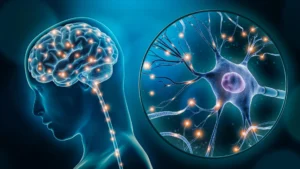
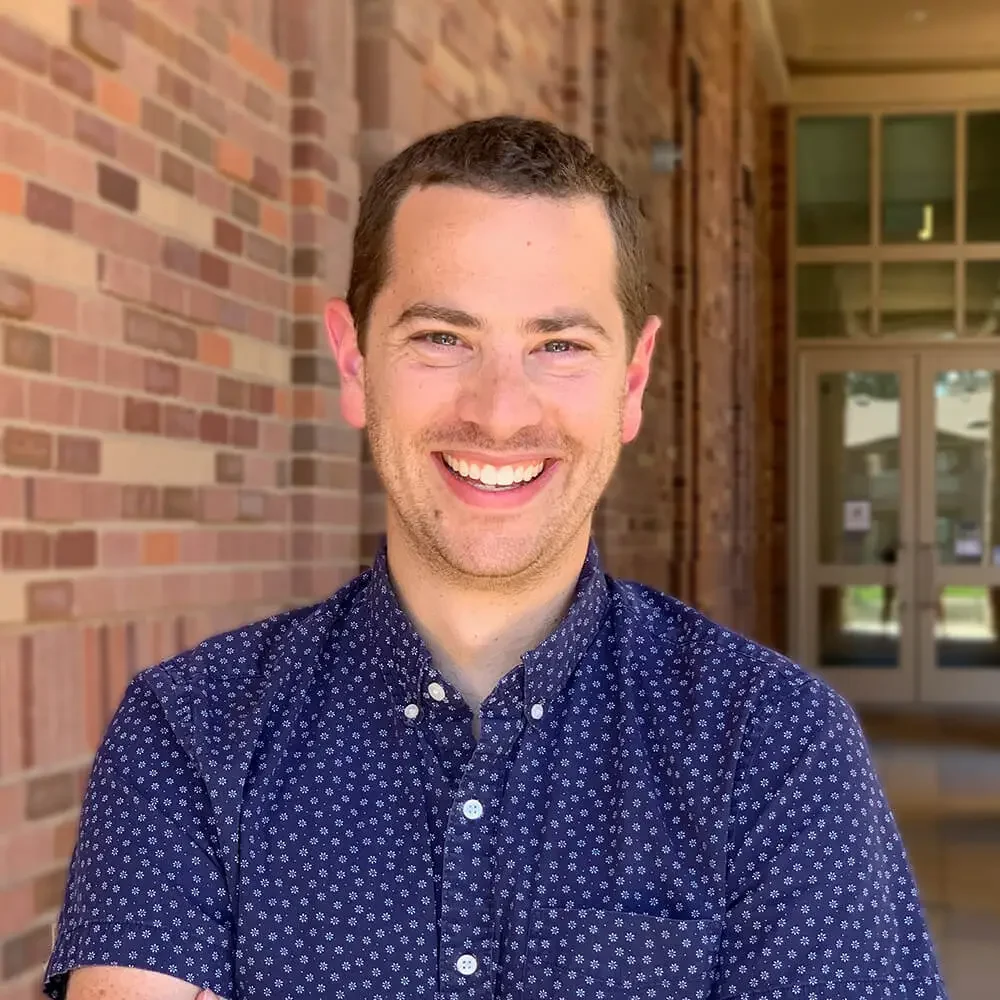
In the quiet, precise world of molecular biology, some of the most profound breakthroughs do not emerge from complex synthetic engineering, but from a journey back through deep time. Dr. Aaron Whiteley, an Assistant Professor in the Department of Biochemistry at the University of Colorado Boulder, is currently spearheading a research program that bridges a billion-year gap. His mission? To translate the "Rosetta Stone" of bacterial immune signaling into a potent new weapon against cancer.
Recently named a recipient of the prestigious Cancer Research Institute (CRI) Lloyd J. Old STAR award, Dr. Whiteley is now positioned to pursue high-risk, high-reward research that could fundamentally alter the landscape of immunotherapy. By investigating how bacteria and human cells communicate, Whiteley’s team is not just studying immunity—they are looking for the evolutionary blueprints that govern how our bodies recognize and fight disease.
The Core Mission: Bridging Bacteria and Human Immunity
At its heart, Dr. Whiteley’s research focuses on the molecular mechanisms of immune signaling. While many researchers view the human immune system as a discrete entity, Whiteley’s work suggests a more interconnected reality. His research has revealed that several critical pathways essential for human health—particularly those governing our response to threats—originated in single-celled bacteria more than a billion years ago.
The central thesis of the Whiteley Lab is that these ancient bacterial pathways are not merely relics; they are active, untapped drivers of human biology. By studying newly discovered bacterial enzymes, Whiteley aims to understand how these proteins can activate immune responses in humans. The long-term goal is to design customized probiotics—microbial agents that, when introduced into the human system, could act as "on-switches" for anti-cancer immunity. If successful, this would represent a paradigm shift, moving immunotherapy from purely synthetic drugs to a sophisticated, biology-driven approach that utilizes the very code that built the immune system in the first place.
A Chronology of Discovery: From Berkeley to Boulder
To understand the trajectory of Dr. Whiteley’s work, one must look at the foundation of his academic journey.
The Formative Years
Dr. Whiteley’s academic rigor was forged at the University of California, Berkeley, where he earned his PhD. During this time, he served as a National Science Foundation Graduate Research Fellow, a distinction that underscored his potential as a leader in molecular research. His early work was characterized by a deep-seated interest in the intersection of microbiology and immunology, a niche that would eventually become his life’s work.
Postdoctoral Training and Lab Establishment
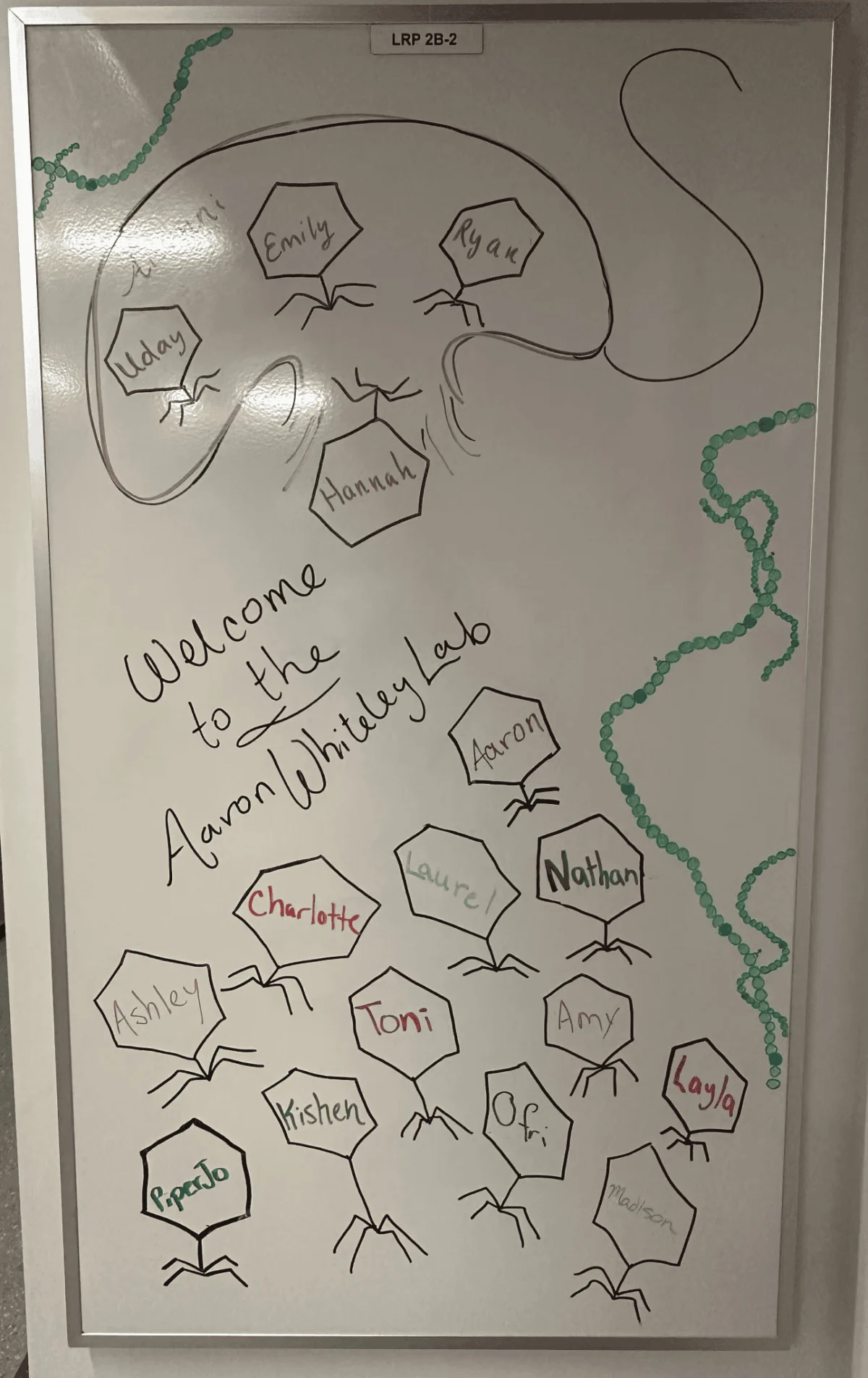
Following his doctoral studies, Dr. Whiteley moved to Harvard Medical School. This period of postdoctoral training proved pivotal, as it allowed him to refine his understanding of complex signaling pathways within the context of human disease. In 2020, he established his independent laboratory at the University of Colorado Boulder. Since then, his lab has focused on the evolution of immune signaling, progressively uncovering the link between ancestral bacterial pathways and modern human oncological defense mechanisms.
The STAR Award Milestone
In 2026, the trajectory of his research hit a major inflection point with the announcement of the CRI Lloyd J. Old STAR award. This recognition is not merely a funding mechanism; it is a validation of the "high-risk" nature of his work. While traditional funding bodies often require predictable outcomes, the STAR program is specifically designed to support "out-of-the-box" inquiry, providing the financial runway necessary to pursue scientific leads that are too experimental for standard grant applications.
Supporting Data: Why "High-Risk" Matters
The current state of medical research is often hampered by a risk-averse culture. Most researchers rely on grants from the National Institutes of Health (NIH) or similar bodies that demand clearly defined milestones and low-risk methodologies. While this ensures steady progress, it often stifles the "pie-in-the-sky" experiments that lead to Nobel-caliber breakthroughs.
Dr. Whiteley notes that the pressure to produce incremental data for grant renewal often forces scientists to play it safe. "When you’re constantly focused on how do I get a little bit more data to get the next grant… you can’t do the paradigm-shifting experiments," he explains.
The CRI STAR program bypasses this bottleneck. By providing unrestricted support, it allows scientists like Dr. Whiteley to fail, iterate, and ultimately pivot toward discoveries that would otherwise remain hidden in the shadow of safe, iterative science. The data supporting his current project—specifically the identification of enzymes capable of modulating immune activation—suggests that the potential for success is significant, even if the pathway to that success requires navigating unconventional, high-risk experimental designs.
Official Perspectives: The Value of Institutional Support
The philosophy of the CRI STAR program is best articulated by its beneficiaries. Dr. Edward Chuong, a 2025 STAR recipient and colleague of Dr. Whiteley at the University of Colorado Boulder, describes the program as a transformative force in his lab’s workflow.
"The STAR award has inspired our lab to go all in on our ideas," Dr. Chuong said. "The unrestricted support has allowed us to chase high-risk leads and provides an incredible chance to take big risks that have a chance of improving cancer immunotherapy."
For Dr. Whiteley, this institutional confidence is the final piece of the puzzle. It allows his lab to move beyond the constraints of traditional research metrics and focus entirely on the biology of the "Rosetta Stone" he is currently decoding. The Cancer Research Institute’s investment in Whiteley is an investment in the belief that the future of cancer treatment lies in the past—specifically, in the ancient, conserved signaling pathways that define all life.
Implications: The Future of Cancer Immunotherapy
The broader implications of Dr. Whiteley’s research are profound. If we can successfully harness bacterial enzymes to prime the human immune system to recognize and attack tumors, the efficiency of existing immunotherapies—such as CAR T-cell therapy—could be drastically improved.
Redefining the Patient Experience
Dr. Whiteley is keenly aware of the human stakes. He frequently references the rapid advancement of cancer treatment over the last century. He recalls observing patients in everyday settings discussing their experiences with advanced treatments like CAR T-cell therapy, noting the sheer impossibility of such a conversation just a few decades ago. "That only happens if there’s another generation to keep moving the needle, keep pushing the envelope," he says.
Mentorship and the Next Generation
Beyond the lab bench, Dr. Whiteley is deeply committed to mentoring. As a multi-award recipient for graduate mentoring, he understands that the longevity of scientific progress depends on fostering curiosity in the next generation. He views his role not just as a researcher, but as a steward of scientific ambition. By modeling "bold thinking" for his students, he ensures that the culture of high-risk, high-reward research continues long after his own current projects are concluded.
A New Frontier in Medicine
The convergence of microbiology, evolution, and oncology represents a new frontier. By viewing the human body as a complex ecosystem that relies on its bacterial origins for immune regulation, Dr. Whiteley is opening a door to a new class of "biological medicine." Instead of fighting against the body’s natural responses, future treatments may utilize engineered probiotics to enhance the body’s native, ancient defense systems.
The work being conducted in the Whiteley Lab is emblematic of the scientific rigor and daring imagination required to solve the cancer puzzle. By looking back to the origins of immunity, Dr. Whiteley is crafting a vision for the future—a future where cancer is not just treated, but preemptively managed by the very mechanisms that have kept life thriving for over a billion years. The Cancer Research Institute’s decision to support this work is a clear signal that the future of oncology is not just in the clinic, but in the evolution of our own biology.