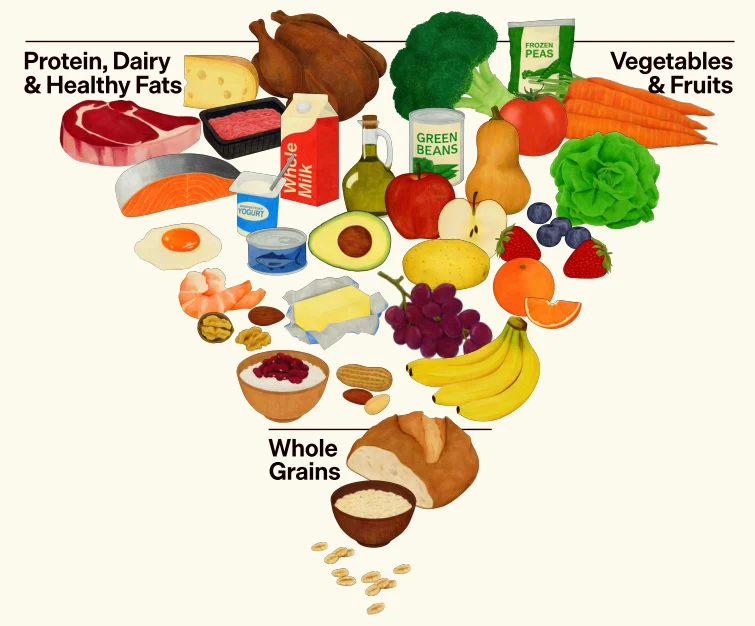






The modern supermarket has become an arena of sticker shock. For the average American, the weekly grocery trip is no longer a routine errand; it is a high-stakes negotiation with rising inflation, supply chain instability, and the persistent pressure of maintaining a healthy lifestyle. For those committed to rigorous physical training, the challenge is compounded. High-performance nutrition—centered on high-quality proteins and complex carbohydrates—typically commands a premium price, leaving many to wonder if they must sacrifice their health goals to preserve their financial stability.
The consensus among nutritionists and financial planners is clear: you do not need to rely on nutrient-void convenience foods or "mystery meats" to fuel a demanding lifestyle. By shifting from a mindset of consumption to one of strategic acquisition, it is entirely possible to slash grocery expenditures by 30% or more while maintaining—or even improving—your physical performance.
The State of the Grocery Crisis: Main Facts
Inflation in the food sector has significantly outpaced general wage growth over the last three years. While the headline inflation rates for groceries have stabilized compared to the volatility seen in 2022 and 2023, the baseline cost of essential protein and produce remains elevated.
The primary drivers of this cost shift include:
- Logistical Costs: Rising fuel prices and labor shortages have increased the cost of moving perishable goods from farm to table.
- Agricultural Disruption: Climate-related yield fluctuations and periodic outbreaks (such as avian influenza in 2025) have caused massive price spikes in foundational staples like eggs and poultry.
- Processing Premiums: Convenience is the most expensive item in any grocery cart. Pre-chopped, pre-portioned, and "ready-to-eat" items carry a mark-up that ranges from 50% to 200% compared to their whole-food counterparts.
A Chronology of Changing Habits
The evolution of the "broke athlete" diet has undergone three distinct phases in recent years.
Phase I: The Pandemic Disruption (2020–2021). Supply chain fragility forced consumers to stock up on canned and shelf-stable goods. This period inadvertently taught a generation of shoppers that "pantry staples" were not just emergency rations, but legitimate foundations for high-protein meals.
Phase II: The Inflationary Peak (2022–2024). As prices climbed, a "trading down" phenomenon took root. Consumers moved away from premium brands to store-label alternatives. This period saw the rise of the "Smart Shopper" movement, where data-driven meal planning became the standard for budget-conscious fitness enthusiasts.
Phase III: The Efficiency Era (2025–Present). Today’s shopper is characterized by a "do-it-yourself" approach. We are seeing a marked increase in home processing—shredding your own cheese, deboning whole chickens, and utilizing root vegetables as long-term, low-cost nutritional anchors.
Supporting Data: Where the Savings Lie
Financial analysts and food economists have identified several high-leverage areas where strategic changes yield immediate results.
- Store Brands vs. Name Brands: On average, switching exclusively to store brands reduces the total receipt cost by 25–30%. Nutritionally, the Department of Agriculture confirms that store-brand canned legumes and tomatoes are functionally identical to name-brand counterparts.
- The Frozen Advantage: Frozen produce is harvested at peak ripeness and flash-frozen, locking in nutrient density. It is often 40% cheaper than fresh produce, which suffers from "transit decay" and high waste rates.
- Protein Alternatives: Eggs remain the gold standard for cost-per-gram of protein. Following the stabilization of the 2025 avian influenza disruptions, eggs have reclaimed their spot as the most cost-effective complete protein source available to the consumer.
The Expert Perspective: Strategies for the Modern Athlete
We consulted with nutritionists and professional meal-preppers to establish a framework for eating on a budget. Their advice centers on "Nutritional Versatility"—the idea that every item purchased must serve at least two distinct purposes in your weekly meal plan.
1. Master the "Can-Do" Approach
Canned goods are the unsung heroes of the high-performance pantry. Canned sardines and chicken provide shelf-stable protein that bypasses the high cost of fresh, refrigerated meat. Furthermore, canned tomatoes offer a rich base for sauces and stews that are often more flavorful than their watery, out-of-season fresh counterparts.
2. Embrace the "Neglected" Cuts
Marketing has convinced the public that chicken breasts and beef tenderloin are the only acceptable sources of protein. However, chicken thighs, pork loin, and round steak are significantly cheaper per pound. These cuts often contain higher fat content, which can be beneficial for hormone regulation in athletes, and they are more forgiving during the cooking process.
3. The Bulk Bin Strategy
Bulk bins are the enemy of waste. By purchasing spices, oats, lentils, and nuts from bulk dispensers, you eliminate the "packaging tax." You also gain the ability to buy exactly what you need for a specific recipe, preventing the common issue of expensive ingredients (like specialty spices or nuts) going rancid in the back of the pantry.
Implications for Future Health
The shift toward frugal, strategic eating has profound implications for long-term health. By moving away from hyper-processed convenience foods—which are often loaded with sodium and preservatives—and toward whole, cost-effective ingredients, the "broke athlete" actually ends up with a cleaner diet than the person relying on expensive, pre-packaged "health" foods.
The long-term implication is a more resilient, better-nourished population that views food not as a chore or a financial burden, but as a strategic asset.
High-Performance, Low-Cost Recipes
To prove that budget-friendly eating is not synonymous with bland, joyless meals, we have curated three recipes that provide maximum nutrient density for under $10.
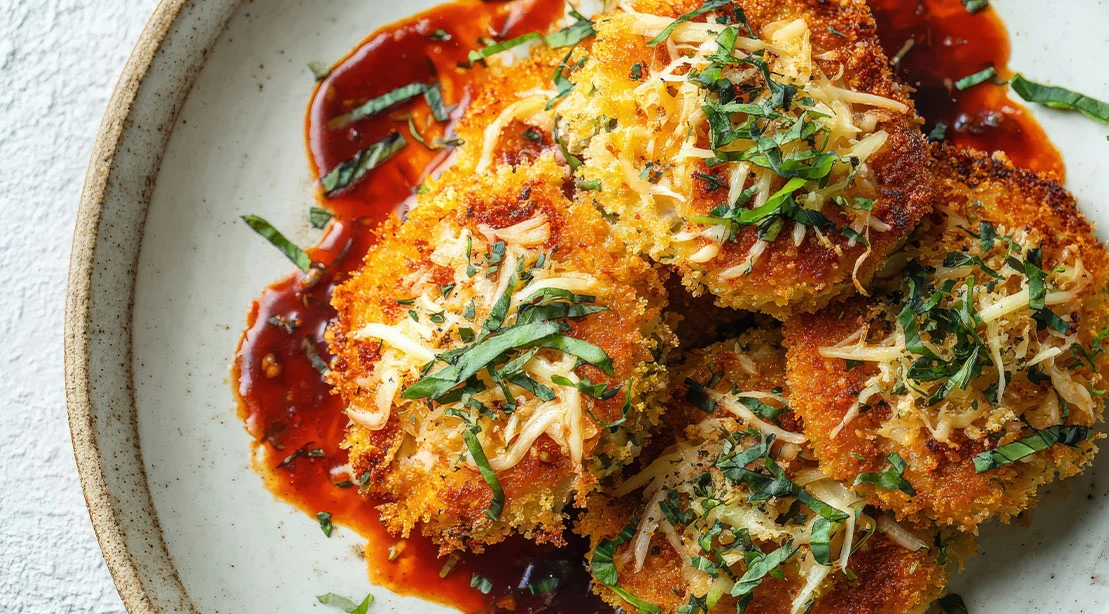
Lemony Sweet Potato Fish Cakes with Red Sauce
Serves 2
These cakes utilize canned sardines—a powerhouse of Omega-3 fatty acids—and sweet potatoes for sustained energy.
- Ingredients: 2 cans sardines (drained), 1 large mashed sweet potato, 1 egg, ½ cup breadcrumbs, red onion, lemon zest/juice, Italian seasoning.
- Instructions: Mash the fish and potato, fold in the binding ingredients, and form into patties. Fry until golden. Serve with a sauce made from heated crushed tomatoes, garlic, and chili flakes.
Egg and Bean Casserole
Serves 4
An ideal "prep-ahead" meal that leverages the protein synergy of eggs and legumes.
- Ingredients: 8 eggs, 2 cups black beans, bread cubes, onion, mushrooms, spinach, shredded cheese.
- Instructions: Sauté vegetables, mix with beans and eggs, and pour over bread cubes in a baking dish. Bake at 375°F until the center is set. This provides a complete amino acid profile for a fraction of the cost of a steak dinner.
Pumpkin Butter Chicken
Serves 4
A cost-effective riff on a classic dish.
- Ingredients: Chicken thighs, pumpkin puree, coconut milk, chickpeas, onion, ginger, garlic, garam masala, turmeric.
- Instructions: Sauté chicken and onions with aromatics and spices. Stir in the pumpkin and coconut milk to create a rich, fiber-dense sauce. Simmer with chickpeas to extend the volume and nutritional value of the meal.
Conclusion: The New Standard
The ability to fuel a high-intensity lifestyle on a budget is a skill set that pays dividends both in the gym and in your bank account. By rejecting the convenience-tax, embracing frozen and bulk items, and utilizing versatile, whole-food ingredients, you can transform your relationship with the grocery store. Eating like a champion is no longer about how much you spend; it is about how wisely you choose. In an era of economic uncertainty, the most effective training tool you have is your grocery list.