By Scientific Correspondents
June 20, 2026
For millennia, the bacterium Yersinia pestis has haunted the human narrative, serving as a biological specter that reshaped civilizations, toppled empires, and left an indelible mark on the human genome. While the medieval "Black Death" of the 14th century remains the most notorious chapter in this grim history, a groundbreaking study published this Wednesday in the journal Nature has fundamentally altered our understanding of the plague’s origin story.
Researchers have uncovered evidence of a prehistoric strain of the plague dating back 5,500 years—roughly two centuries earlier than previously established milestones. By analyzing ancient DNA extracted from the teeth of hunter-gatherers near Siberia’s Lake Baikal, scientists have unveiled a chilling portrait of how this pathogen first crossed the threshold into human populations, revealing a deadly, evolutionary precursor to the bubonic plague that would later decimate Europe.
The Discovery: Unlocking Secrets in the Siberian Soil
The investigation, led by an international consortium of evolutionary geneticists and archaeologists, focused on four ancient burial sites surrounding Lake Baikal. This region, known for its harsh climate and nomadic history, served as a treasure trove for researchers seeking to trace the pathogen’s lineage.
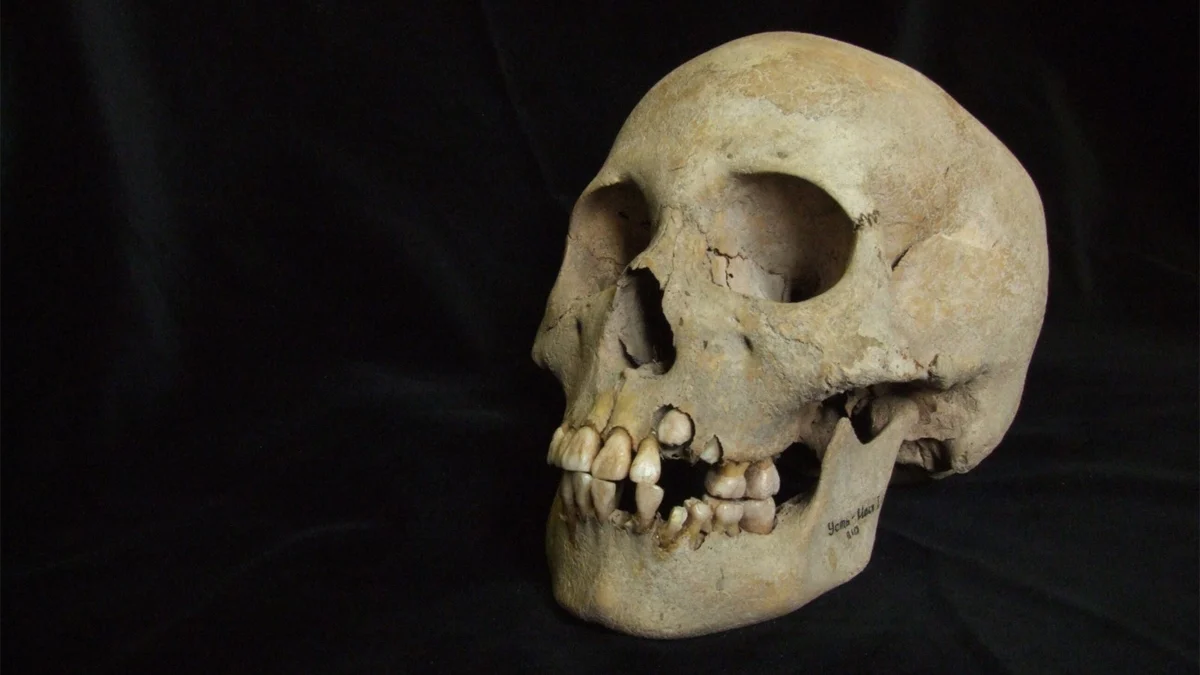
The team extracted DNA from the calcified pulp found within the teeth of 18 ancient hunter-gatherers. The results were definitive: the presence of Yersinia pestis was unmistakable. Through rigorous carbon dating of the associated skeletal remains, the researchers determined that the bacteria had triggered at least two distinct outbreaks, with the earliest cases emerging approximately 5,500 years ago.
"To understand our own history, we believe that understanding the history of plague is extremely important," said co-author Eske Willerslev, PhD, an evolutionary geneticist at the University of Copenhagen. For Willerslev and his team, the goal was not merely to date the bacteria, but to understand the evolutionary pressures that allowed a localized animal pathogen to mutate into a recurring human scourge.
Chronology of a Prehistoric Pandemic
The timeline of the plague is not a linear progression, but rather a series of evolutionary leaps. According to the study, this prehistoric strain developed in stages, gradually honing its ability to infiltrate human biological defenses.
Phase 1: The Zoonotic Leap (c. 5,500 years ago)
The primary reservoir for this ancient pathogen appears to have been marmots—large, burrowing rodents native to the Siberian steppes. Genetic analysis suggests that early human populations likely contracted the disease through direct contact. Whether through the consumption of raw organs or the handling of infected hides during the butchery process, the bacteria successfully bridged the gap between species.
Phase 2: Inter-Human Transmission
Once the pathogen had established a foothold in the human population, it evolved beyond simple animal-to-human transmission. The study indicates that the bacteria adapted to spread efficiently between people through respiratory droplets—coughing and sneezing—marking a significant escalation in its virulence.
Phase 3: The Mortality Crisis
The archaeological evidence points to a devastating impact on these nomadic groups. Researchers identified clusters of death, particularly among children aged 8 to 11. In one haunting discovery, three young girls were found buried side by side; genetic analysis revealed two were likely cousins. Another grave contained an aunt and her nephew, while the aunt’s niece was located in a separate, adjacent burial site. These findings suggest that the plague was not merely an occasional sickness, but an event that shattered family units, forcing survivors to bury their dead in rapid succession.
Supporting Data: The Human Element of Science
Beyond the cold, hard numbers of genetic sequencing, the study offers a poignant look at the human cost of the ancient plague. Ruairidh Macleod, PhD, of the University of Oxford, who specializes in ancient DNA, emphasized the emotional weight of the findings.
"People were around to bury the dead who knew who these people were when they were alive," Macleod noted. "And that’s a really human element to all of the scientific work."
The high mortality rate among children, researchers suggest, was likely a result of the vulnerability of their developing immune systems. In a nomadic hunter-gatherer society, where nutrition and healthcare were subject to the whims of the environment, a pathogen that could spread via respiratory droplets would have been nearly impossible to contain. The presence of multiple victims in shared graves indicates that the plague was capable of both sporadic individual infections and, when circumstances permitted, full-blown localized outbreaks.
Official Responses and Expert Analysis
The scientific community has reacted with significant interest to the publication. Aida Andrades Valtueña, PhD, a geneticist at the Max Planck Institute for Evolutionary Anthropology who was not involved in the study, praised the work for its methodology and its broader implications for epidemiology.
"The presence of multiple victims suggests that the prehistoric plague was capable of causing both individual cases and outbreaks," Valtueña stated. She highlighted that while this ancient strain evolved long before the bubonic plague that defined the Black Death, its impact was arguably just as lethal within the context of the small, nomadic groups of the time.
According to Valtueña, the findings provide a roadmap for future research. By identifying the "steps that the bacterium took to become the deadly pathogen we know today," scientists can develop better models for how new pathogens might emerge in our modern, hyper-connected world.
Implications: Learning from the Ancient Past
The discovery that the plague has been a companion to humanity for over five millennia shifts the focus of infectious disease research. It challenges the assumption that the plague was a "new" threat that only exploded with the rise of dense, urbanized civilizations. Instead, it proves that the plague was a persistent, adaptable, and highly efficient killer of small-scale societies long before the concept of a "city" existed.
1. Surveillance and Preparedness
By understanding the evolutionary history of Yersinia pestis, scientists can better track the mutations that transform a manageable zoonotic disease into a pandemic-level threat. This is particularly relevant today, as climate change and human encroachment into wild habitats increase the frequency of interactions between humans and wild rodents.
2. A Persistent Global Threat
While the study looks at the distant past, it serves as a modern reminder that the plague is not a thing of the past. As noted by the study, the plague remains a rare but present danger in the 21st century. While modern medicine and the availability of antibiotics have largely relegated the disease to the periphery of public health concerns, its evolutionary tenacity suggests that complacency is a dangerous policy.
3. The Future of Genomic Archaeology
This study underscores the power of ancient DNA analysis to rewrite human history. As genomic sequencing technologies become more refined, researchers expect to find further evidence of how pathogens shaped the migration patterns, social structures, and genetic evolution of our ancestors.
Conclusion
The 5,500-year-old plague strain discovered near Lake Baikal is more than just a biological curiosity; it is a testament to the resilience and vulnerability of the human species. As we look to the future of global health, the lessons from these ancient Siberian graves—where children were laid to rest by their grieving families—serve as a somber reminder of the pathogen’s reach.
The plague did not start with the Black Death, and it did not end there. By tracing its origins to the dawn of the Bronze Age, researchers have provided a vital piece of the puzzle, helping us understand not only where we came from, but how we might better prepare for the biological challenges of the future. The echoes from the steppe are clear: the history of humanity is, in many ways, the history of our pathogens. Understanding that relationship remains our best defense against the next unseen threat.