




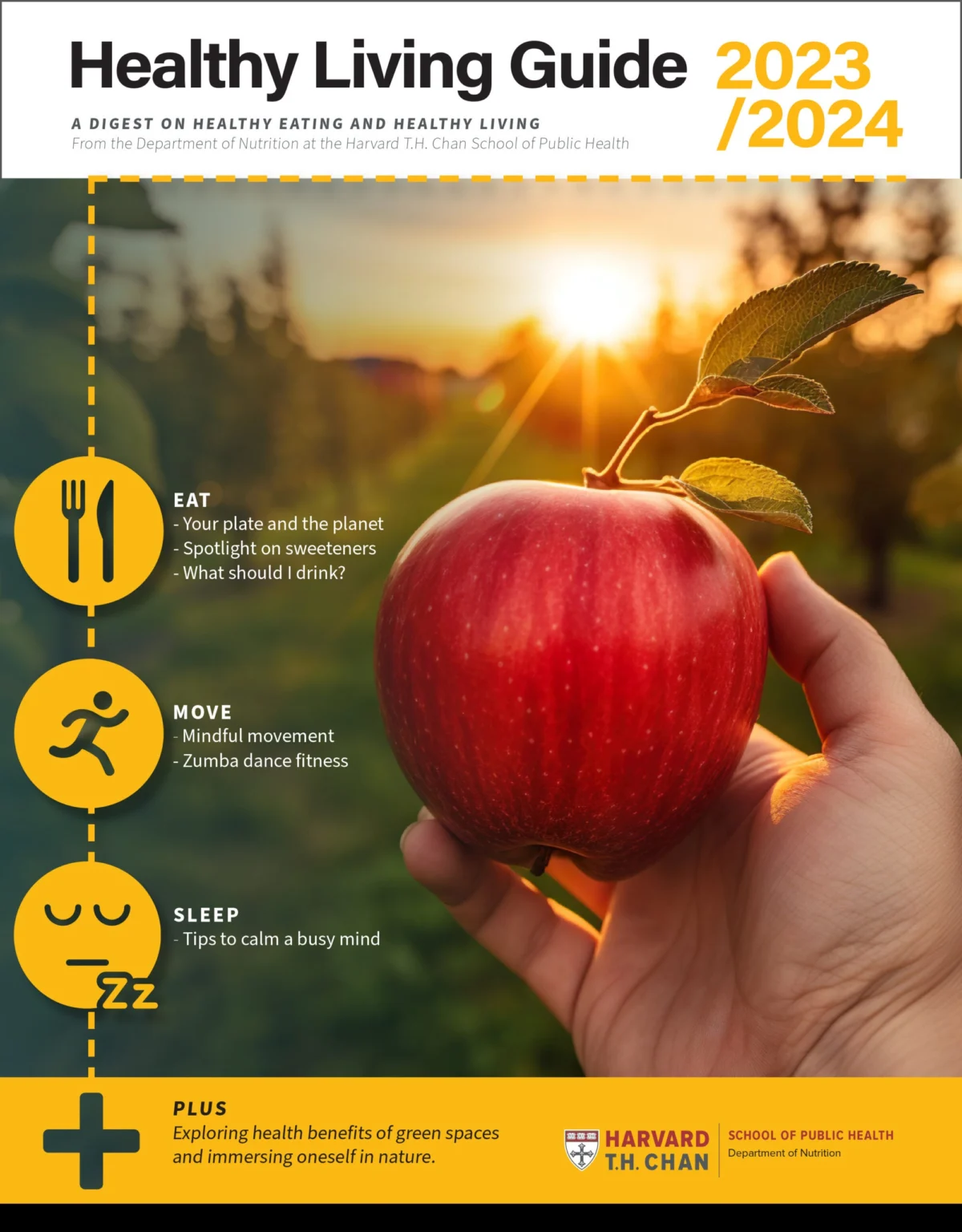
As we transition into 2024, the global conversation surrounding health has shifted from mere physical maintenance to a holistic integration of the mind, the body, and the environment. Harvard University’s Department of Nutrition has officially released the fourth edition of its highly anticipated Healthy Living Guide, a comprehensive resource designed to bridge the gap between complex nutritional science and practical, everyday application.
This year’s edition is more than just a collection of tips; it serves as a milestone for the institution, marking a new chapter in how we perceive the relationship between our dietary choices and the state of the world around us.
Main Facts: A New Paradigm for Public Health
The 2024 Healthy Living Guide arrives at a pivotal moment. The guiding philosophy for this year’s publication is anchored in a quote by the late Zen master Thich Nhat Hanh: "The apple in your hand is the body of the cosmos." This poetic sentiment underscores the core mission of the newly established Thich Nhat Hanh Center for Mindfulness in Public Health.
The center represents a significant evolution in nutritional research. While traditional nutrition studies have largely focused on caloric intake, macronutrient ratios, and disease prevention, this new center seeks to scale the benefits of mindfulness. The goal is to apply meditative and conscious awareness techniques at a population level. By fostering a deeper connection to what we consume, the researchers believe we can improve both individual health outcomes and global ecological stability.
The guide is structured to provide actionable, evidence-based insights across three primary pillars:
- Nutrition: Addressing the burgeoning crisis of ultra-processed foods.
- Physical Activity: Moving beyond routine exercise into joyful, rhythmic movement.
- Sleep Hygiene: Understanding the biological rhythms—or "chronotypes"—that dictate our restorative cycles.
Chronology: The Evolution of the Healthy Living Guide
The journey toward this fourth edition reflects the Department of Nutrition’s commitment to iterative growth.
- 2020-2021: The inception of the Healthy Living Guide project began during a period of global uncertainty, where the need for reliable, scientifically vetted health information was at an all-time high.
- 2022: The guide expanded its reach, incorporating interactive elements and addressing the challenges of sedentary lifestyles during the remote-work era.
- 2023: A banner year for the department, defined by the formal launch of the Thich Nhat Hanh Center for Mindfulness in Public Health. This institutional shift paved the way for the "mindful living" focus seen in the current publication.
- 2024: The release of the fourth edition, which synthesizes years of data into a streamlined, printable format that emphasizes the intersection of personal health and planetary sustainability.
Supporting Data: The Science of Modern Wellness
The 2024 guide does not rely on trends; it is rooted in rigorous academic inquiry. This year, the department has placed a heavy emphasis on the growing body of evidence regarding ultra-processed foods (UPFs).
The Impact of Ultra-Processed Foods
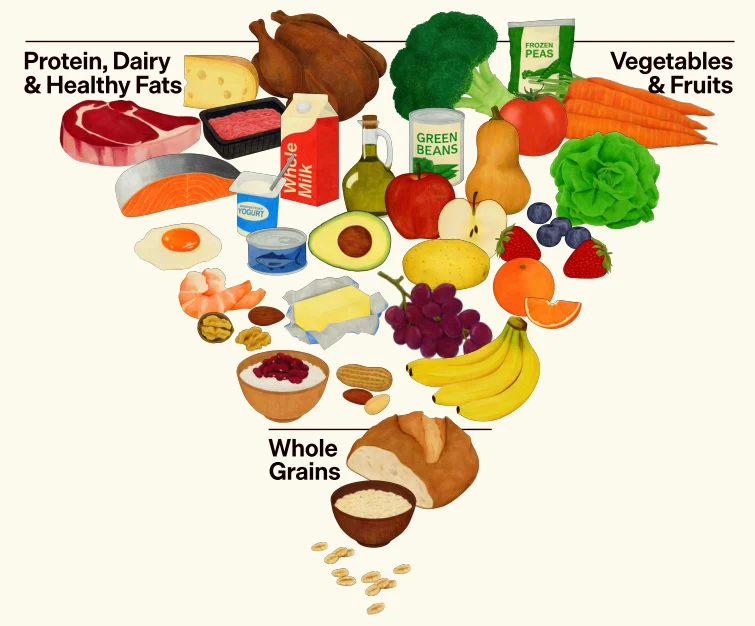
Recent studies cited in the guide suggest that the prevalence of UPFs in the standard Western diet is a primary driver of both obesity and mental health struggles. The research indicates that these foods, often characterized by high levels of artificial additives and lack of fiber, disrupt the gut-brain axis. The guide offers readers tools to identify these "hidden" health risks and suggests sustainable, whole-food alternatives.
Physical Activity and Mental Health
Beyond nutrition, the guide tackles the "exercise gap." Research highlighted in this edition explores the benefits of rhythmic movement, such as Zumba. Data indicates that when exercise is paired with music and community, adherence rates increase significantly. By treating exercise as a form of "moving meditation," individuals are less likely to view it as a chore and more likely to view it as a necessary component of emotional regulation.
The Science of Sleep Chronotypes
Perhaps the most intriguing addition to this year’s guide is the deep dive into "chronotypes." The research acknowledges that human beings are not built for a one-size-fits-all schedule. By understanding whether one is a "morning lark" or a "night owl," individuals can align their work and recovery schedules to match their internal biological clocks, thereby reducing stress hormones like cortisol and improving long-term cardiovascular health.
Official Responses and Institutional Vision
The leadership at the Harvard Department of Nutrition views this guide as a vital tool for democratization. By providing free access to high-level research in a simplified, printable PDF format, the department aims to reach those who might otherwise be overwhelmed by the "noise" of modern wellness marketing.
In a recent address, faculty members associated with the Thich Nhat Hanh Center emphasized that the project is a response to the "epidemic of distraction." In a world where we eat while scrolling through social media or work while sleep-deprived, the act of "mindful living" is presented as a radical, necessary intervention.
The institutional stance is clear: health is not merely the absence of disease. It is a proactive, intentional practice that requires an understanding of how our biological needs interact with our environment. The Healthy Living Guide is designed to act as a roadmap for this intentionality, offering summary sheets that families can keep on their refrigerators, bridging the gap between Harvard’s research labs and the kitchen table.
Implications: A Sustainable Future
The implications of the 2024 Healthy Living Guide extend far beyond individual weight loss or sleep improvements. By advocating for mindful eating, the authors are implicitly advocating for a more sustainable food system. When consumers choose whole foods over processed ones, they are choosing products that generally require fewer resources to produce, package, and transport.
The Personal-Planetary Connection
The guide posits that the "body of the cosmos" is not just a metaphor. The health of the soil in which our food is grown, the water used to hydrate our bodies, and the air we breathe while exercising are all interconnected. If the public adopts the mindfulness practices outlined in the guide, the cumulative impact could be a massive shift in market demand toward more sustainable agricultural practices.
Future-Proofing Public Health
For the individual reader, the implication is one of empowerment. The guide encourages readers to move away from the "diet culture" mentality—which is often rooted in shame and restriction—and toward a "wellness culture" rooted in curiosity and biological feedback.
As the reader engages with the tips on chronotypes, movement, and mindful nutrition, they are encouraged to track their own progress. The inclusion of "Healthy Living Knowledge" tests from previous years acts as a mechanism for long-term retention, encouraging the reader to view health as a cumulative process rather than a series of short-term fixes.
Conclusion: How to Engage with the Guide
The 2024 Healthy Living Guide is currently available for download through the Harvard Nutrition Source website. The guide is designed for high accessibility, featuring:
- Printable Tip Sheets: Designed for easy reference in the kitchen, office, or gym.
- Expert Summaries: Distilling complex nutritional studies into readable, practical bullet points.
- Interactive Links: Direct access to the latest peer-reviewed research for those who wish to dig deeper into the data.
As we move through 2024, the call to action is simple: be present. Whether you are choosing an apple over a snack bar, taking ten minutes to stretch to music, or honoring your chronotype by adjusting your sleep schedule, these small, mindful decisions are the building blocks of a healthier life.
By integrating these evidence-based practices, we do more than just improve our own vitality; we participate in a broader, global movement toward a more conscious, balanced, and sustainable way of existing on this planet. Download your copy, test your knowledge, and begin your journey toward a more mindful year.