By Editorial Staff
September 25, 2026
In a landmark move aimed at bolstering global pandemic preparedness and addressing historical disparities in pharmaceutical access, a United Nations-backed agency, the Medicines Patent Pool (MPP), has finalized sub-licensing agreements with 11 pharmaceutical manufacturers. These agreements are set to pave the way for the development and distribution of generic versions of baloxavir marboxil—the active ingredient in Roche’s potent influenza treatment, Xofluza—across 129 low- and middle-income nations.
The deal represents a significant pivot in how global health organizations approach the "access gap." By facilitating the transfer of technical expertise and manufacturing rights to producers in developing markets, the initiative seeks to ensure that when the next influenza pandemic strikes, life-saving therapeutics are not sequestered within the borders of wealthy nations.
The Core Facts: Expanding the Reach of Xofluza
The agreement, announced on September 25, 2026, functions as a tripartite arrangement between the Medicines Patent Pool, Roche, and a consortium of 11 generic manufacturers. Under the terms of the deal, these manufacturers are granted the right to develop, produce, and market generic versions of Xofluza for public and private sector use in 129 countries, a list that encompasses the vast majority of the world’s low- and middle-income demographics.
Crucially, the deal is not merely a waiver of patent rights; it is a collaborative support framework. The MPP will provide these manufacturers with:
- Technical Data Packages: Proprietary information necessary for the complex synthesis of the drug.
- Bioequivalence Support: Access to reference products to ensure that generic versions meet the same safety and efficacy standards as the original Roche brand.
- Regulatory Streamlining: Assistance in navigating the regulatory hurdles required to secure approval within the specific target nations.
Xofluza, a single-dose oral antiviral, has been hailed for its efficacy in treating acute, uncomplicated influenza in patients 12 years of age and older. By providing a convenient, one-time treatment, it significantly reduces the burden on healthcare systems compared to multi-day regimens, making it a critical tool for mass-scale outbreak response.
A Chronology of Access: From Patent to Partnership
The road to this sub-licensing agreement has been paved with years of advocacy and evolving corporate strategies.

- 2018: The FDA approves Xofluza, marking the first new influenza antiviral with a novel mechanism of action in nearly two decades. Roche moves to capitalize on its high-growth potential in wealthy markets.
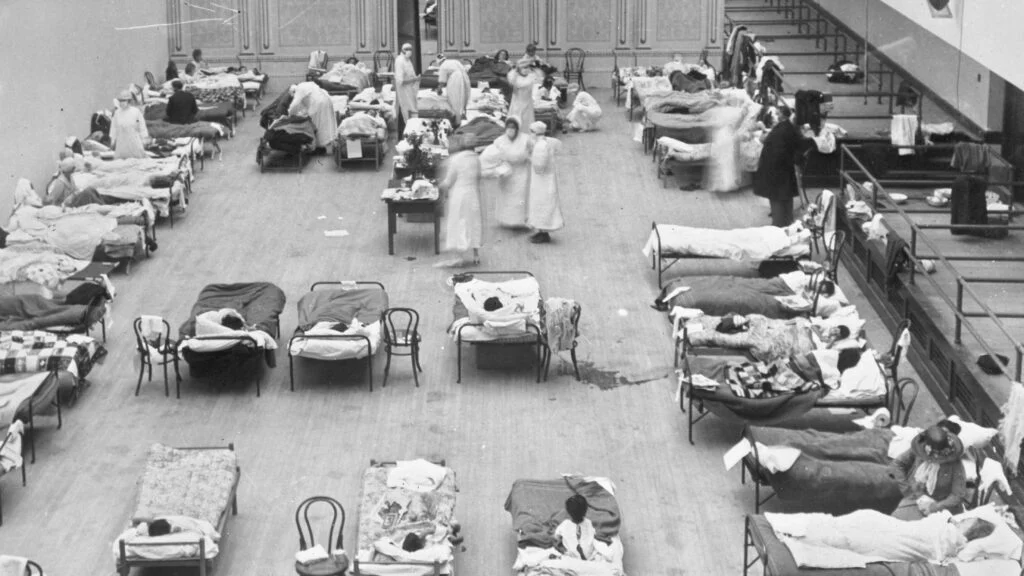
- 2020-2022: The COVID-19 pandemic highlights the fragility of global supply chains. The "vaccine apartheid" narrative—where high-income countries secured the majority of medical supplies—spurs intense pressure on global health organizations to rethink intellectual property (IP) frameworks.
- 2023: The Medicines Patent Pool initiates discussions with Roche regarding voluntary licensing for pandemic-relevant therapeutics.
- 2025: Negotiations intensify as global health bodies, including the WHO, identify influenza as a high-priority risk for the next potential pandemic.
- September 2026: The formal announcement of the 11-manufacturer sub-licensing deal is made, signaling a successful bridge between private industry interests and public health mandates.
Supporting Data: The Burden of Influenza and Economic Barriers
The necessity for this initiative is underscored by sobering public health data. Influenza remains a persistent threat, with the World Health Organization (WHO) estimating that annual epidemics result in 3 to 5 million cases of severe illness and up to 650,000 respiratory-related deaths globally.
In low- and middle-income countries (LMICs), the impact is disproportionate. While the cost of a single dose of Xofluza is manageable for healthcare systems in the Global North, it can be prohibitively expensive for national health budgets in resource-limited settings.
Key metrics driving this initiative:
- Supply Chain Elasticity: By localizing production in 11 different companies across diverse regions (including manufacturers in India, South Africa, and Brazil), the MPP reduces reliance on international shipping and long-distance logistics.
- Treatment Adherence: Because Xofluza requires only a single dose, it eliminates the "dropout" rate common with traditional five-day regimens, which is particularly vital in regions where patient follow-up is difficult.
- Market Penetration: The 129-country scope covers regions with the highest projected influenza-related mortality, effectively targeting the areas where the "social return on investment" for the drug is highest.
Official Responses: Balancing Profit and Public Good
The pharmaceutical industry has historically viewed the sharing of IP with caution, citing the need to recoup massive R&D investments. However, the response from Roche and the MPP reflects a shifting paradigm.
"Ensuring that innovation reaches every corner of the globe is not just a moral imperative, but a practical one," a spokesperson for the Medicines Patent Pool stated during the press conference. "By working with Roche, we have created a model where the manufacturer maintains their market presence in high-income countries while we empower local manufacturers to serve those who have been historically left behind."
Roche, for its part, has framed the deal as part of its broader "Global Access" initiative. By engaging in voluntary licensing rather than being forced into compulsory licensing, Roche maintains a degree of control over the quality and distribution standards of the drug while mitigating the reputational risk of denying life-saving medicine to the developing world.
Public health advocates, while praising the move, remain cautious. "This is a win," says Dr. Elena Rossi, an independent analyst in global health policy. "However, the true test will be the timeline for production. How quickly can these 11 manufacturers move from the lab to the pharmacy shelf? In a pandemic, every week of delay translates to thousands of lives lost."

Implications: A New Era for Pandemic Preparedness?
The agreement is being watched closely by stakeholders across the spectrum, as it may serve as a template for future collaborations involving other therapeutics, including those for COVID-19, RSV, and emerging zoonotic threats.
1. The Decentralization of Manufacturing
This deal accelerates the trend of "regionalized manufacturing." By distributing production across multiple continents, the world is better prepared for localized lockdowns or trade disruptions that might otherwise cripple a centralized supply chain.
2. Intellectual Property and "Voluntary" Models
The success of this arrangement may discourage the pursuit of aggressive "IP waivers" that many pharma companies fear. If the industry demonstrates that voluntary licensing can be lucrative and manageable, it may stave off more radical legislative efforts to dismantle patent protections during public health emergencies.
3. The Regulatory Challenge
The involvement of the MPP in helping manufacturers navigate regulatory approvals is a significant shift. Previously, the "tech transfer" ended at the patent. By providing the "blueprints" for bioequivalence, the MPP is essentially helping companies bypass years of costly, redundant clinical trials. This could shorten the time-to-market for generics by 18 to 24 months.
4. Long-term Sustainability
The ultimate question remains: what happens when the pandemic subsides? The agreement is structured to persist beyond acute crises, ensuring that Xofluza remains available for seasonal influenza. This creates a sustainable market for the 11 manufacturers, allowing them to reinvest in their own R&D capacities, potentially turning these regional manufacturers into future leaders in pharmaceutical innovation.
Conclusion
The sub-licensing of Xofluza is a definitive step toward a more equitable health landscape. It proves that the conflict between profit-driven innovation and the right to health is not an immutable law of the industry, but rather a variable that can be adjusted through collaborative diplomacy. As the 11 manufacturers begin their work, the eyes of the global health community will be focused on their success—not just for the sake of flu patients, but as a test case for how humanity will manage the next great medical challenge.