


Introduction: A New Paradigm for Public Health
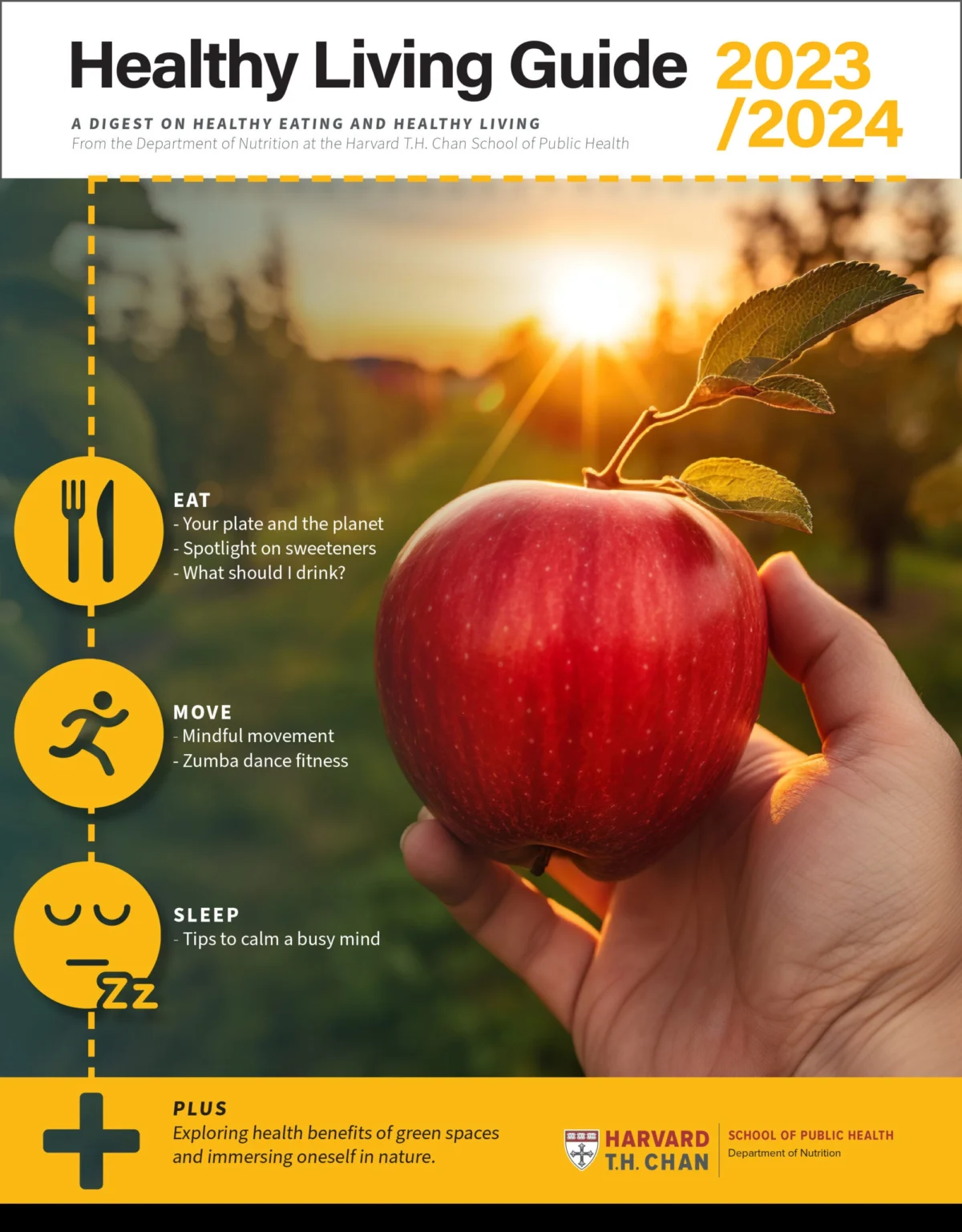
As the calendar turns to 2024, the quest for optimal health has moved beyond the simple tracking of calories and step counts. It has evolved into a more nuanced, intentional practice that bridges the gap between individual well-being and global sustainability. This year, the Department of Nutrition at the Harvard T.H. Chan School of Public Health has released the fourth edition of its Healthy Living Guide, a comprehensive resource designed to synthesize cutting-edge scientific research into actionable, everyday advice.
Guided by the wisdom of Thich Nhat Hanh—who once poignantly remarked, "The apple in your hand is the body of the cosmos"—this year’s guide serves as a manifesto for mindful living. It underscores the profound interconnectedness of our dietary choices, our physical habits, and the health of the planet we inhabit.
Main Facts: The Core Pillars of the 2023-2024 Guide
The Healthy Living Guide is not merely a collection of tips; it is a synthesis of the latest clinical data curated by world-class researchers. This edition focuses on four primary pillars that dictate the quality of human life:
- Mindful Eating: Beyond what we eat, the guide explores how we eat. It emphasizes the importance of presence, intention, and the ethical implications of our food systems.
- Nutrition and Metabolic Health: A deep dive into the complex relationship between ultra-processed foods (UPFs) and long-term health outcomes.
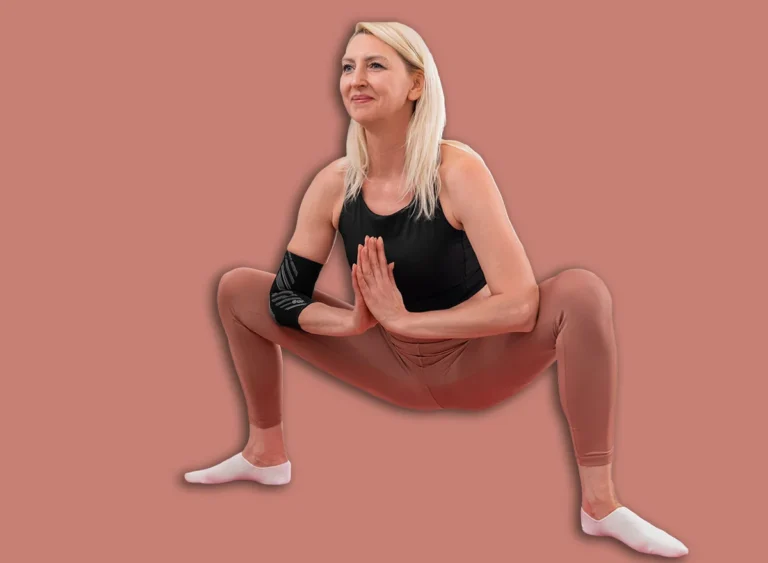
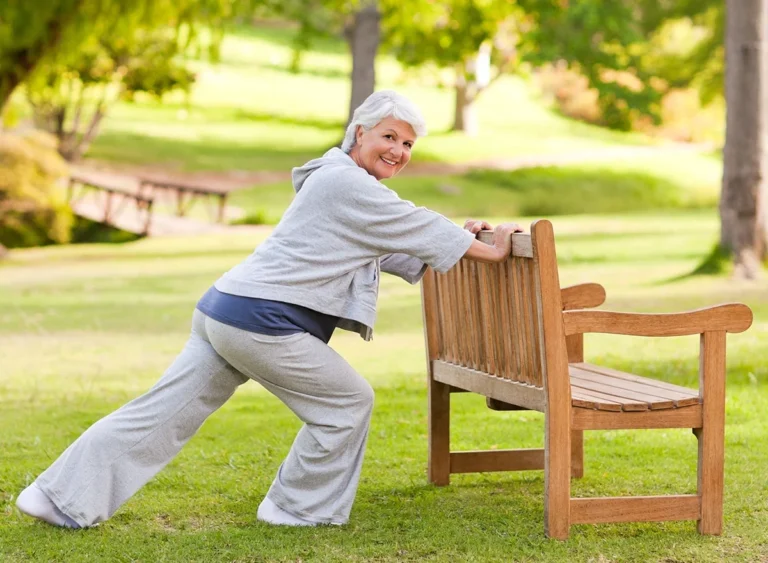
- Physical Activity: Moving away from the "no pain, no gain" mentality, the guide promotes sustainable movement—such as Zumba and community-based activities—that benefits mental health as much as cardiovascular function.
- Sleep Hygiene: A critical look at biological rhythms, specifically "chronotypes," and how aligning our schedules with our natural internal clocks can prevent chronic disease.
Chronology: The Evolution of the Healthy Living Initiative
To understand the significance of this year’s release, one must look at the trajectory of the Harvard Nutrition Department’s outreach efforts:
- 2020: The inception of the Healthy Living Guide series, launched during a global health crisis to provide evidence-based stability amidst widespread misinformation.
- 2021-2022: The expansion of the guide to include mental health, recognizing that the pandemic had permanently altered the landscape of public health discourse.
- 2023: A landmark year characterized by the official launch of the Thich Nhat Hanh Center for Mindfulness in Public Health. This center was established to bring the practice of mindfulness out of the meditation hall and into the laboratory, examining how internal states affect population-level outcomes.
- 2024: The current release, which marks the full integration of "planetary health" concepts—the idea that individual health is inextricably linked to environmental sustainability.
Supporting Data: Scientific Insights from the Field
The guide draws upon years of peer-reviewed research conducted at Harvard and beyond. Below are the key findings that inform the current recommendations:
The UPF Dilemma
Recent studies highlighted in the guide confirm a strong correlation between the consumption of ultra-processed foods and an increased risk of metabolic syndromes. The data suggests that it is not just the nutrient profile (sugar, fat, sodium) that causes harm, but the physical structure of the food and the additives that disrupt gut microbiota.
The Science of Chronotypes
Sleep research has moved past the generic "eight hours a night" rule. The 2023-2024 edition introduces readers to the concept of "chronotypes"—the natural inclination of your body to sleep at certain times. The research indicates that forcing "night owls" into "early bird" schedules can lead to chronic sleep debt, heightened stress levels, and impaired glucose metabolism.
The Power of Movement
The guide highlights clinical trials showing that rhythmic, social, and joyful movement—like Zumba or dance-based exercise—can be more effective at improving adherence than traditional, solitary gym-based workouts. This is attributed to the "joy factor," which triggers dopamine release and fosters long-term behavioral change.
Official Responses: The Philosophy of the Thich Nhat Hanh Center
The launch of the Thich Nhat Hanh Center represents a paradigm shift. According to the center’s leadership, the goal is to shift public health policy from a reactive model (treating disease) to a proactive, mindful model (cultivating health).
"Mindfulness in public health is not about individual tranquility; it is about collective awareness," a spokesperson for the center noted. "When we are mindful of what we eat, we are mindful of the supply chains that produced it, the labor involved, and the ecological footprint left behind. This awareness naturally leads to healthier choices for the person and the planet."
The center’s research agenda for the coming years includes investigating how mindfulness interventions can reduce systemic inflammation and improve cognitive function across diverse socioeconomic populations.
Implications: A Roadmap for the Future
The implications of the 2023-2024 Healthy Living Guide are far-reaching, both for the individual and the policy-maker.
For the Individual
The guide encourages readers to move away from "diet culture" and toward "nourishment culture." By prioritizing sleep quality based on their chronotype and choosing whole foods, individuals can exert control over their health trajectory. The printable tip sheets provided in the guide act as a bridge, turning abstract scientific findings into daily habits.
For Public Health Policy
The focus on "planetary health" suggests that future public health initiatives must be holistic. If the health of the population depends on the health of the environment, then nutrition policies must be integrated with environmental policies. The guide provides the intellectual framework for this integration, advocating for food systems that are both nutritious and sustainable.
Educational Engagement
As part of the initiative to foster engagement, the guide includes a knowledge-testing component. By referencing the previous year’s findings, the authors ensure that readers are building upon their existing knowledge rather than simply consuming a "one-off" article. This pedagogical approach is intended to create a community of practice among readers.
Conclusion: A Call to Mindful Action
As we navigate 2024, the Harvard Healthy Living Guide stands as a testament to the fact that health is not a destination, but a practice. It invites us to slow down, to listen to our bodies, and to recognize that our individual choices are part of a larger global ecosystem.
Whether you are looking to improve your sleep, understand your nutritional needs, or simply adopt a more mindful approach to your daily routine, the resources provided by the Department of Nutrition offer a clear, science-backed path forward.
We encourage all readers to download the full PDF, engage with the tip sheets, and take the first step toward a more fulfilling and healthy year. As Thich Nhat Hanh’s philosophy suggests, the simple act of holding an apple with awareness is the first step toward understanding the body, the cosmos, and our place within both.
How to Access the Resources
- Download the full Guide: The 2023-2024 Healthy Living Guide is available as a free, printable PDF on the Harvard Nutrition Source website.
- Interactive Learning: Readers are encouraged to visit the archives to review previous editions, ensuring a continuous learning experience.
- Stay Informed: Follow the Thich Nhat Hanh Center for Mindfulness in Public Health for updates on upcoming research and community workshops designed to implement these findings in real-world settings.
Disclaimer: While this guide provides evidence-based information, it is intended for educational purposes and should not replace professional medical advice. Always consult with a healthcare provider before making significant changes to your diet or exercise regimen.