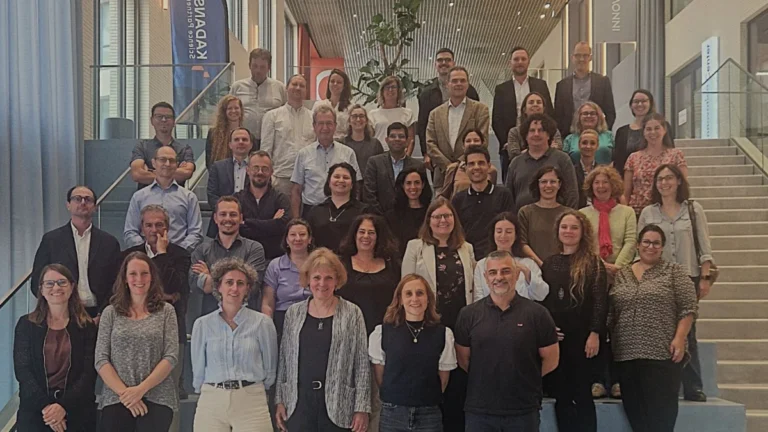











In a landmark moment for the future of European oncology, the Support of Personalised Medicine Approaches in Cancer (SPARC) project successfully convened its first Patient and Caregiver Advisory Group (PCAG) meeting this past May. This assembly, which brought together patients, caregivers, and advocacy representatives from across the continent, marks a pivotal shift in how personalised cancer care is conceptualized, developed, and deployed. By formally integrating lived experience into the heart of a major European research initiative, SPARC is setting a new standard for patient-centric innovation.
Main Facts: Bridging the Gap in European Cancer Care
Personalised medicine—the practice of tailoring medical treatment to the individual characteristics of each patient—holds the promise of a revolution in oncology. By leveraging genetic profiling, molecular diagnostics, and targeted therapies, clinicians can move beyond the "one-size-fits-all" approach that has historically defined cancer care. However, the promise of this field is currently hindered by a stark reality: access to these advanced diagnostic and therapeutic tools is unevenly distributed across Europe.
The SPARC project, a three-year initiative funded by the European Union, is designed to confront this disparity head-on. The project functions as a multi-disciplinary powerhouse, uniting 17 partner organizations spanning eight countries. The core mission is to bridge the gap between cutting-edge laboratory research and the bedside reality of the everyday clinic.
The primary objectives of the project include:
- Harmonizing Standards: Reducing the disparity in diagnostic access between different healthcare systems.
- Collaborative Ecosystems: Fostering a symbiotic relationship between researchers, healthcare providers, policymakers, and the patient community.
- Implementation Science: Developing practical frameworks that allow hospitals—regardless of their size or resource level—to adopt personalised approaches to treatment.
The inaugural PCAG meeting was not merely a ceremonial launch; it was an operational milestone. By institutionalizing the role of patients and caregivers within the project’s governance, SPARC ensures that the "patient voice" is not just a rhetorical flourish, but a guiding force in the project’s development.
A Chronology of the Initiative
The development of the SPARC project reflects a growing European-wide recognition that medical innovation cannot exist in a silo.
- Project Inception (Pre-2024): The project was conceptualized to address the growing complexity of cancer diagnostics. Partners identified that while biomarker testing and precision therapies were emerging rapidly, the infrastructure for their delivery was fracturing under the weight of uneven funding and expertise.
- Formation of the Consortium: Over the past year, 17 organizations—comprising academic centers, research institutes, and patient advocacy groups—began formalizing the SPARC framework, securing EU funding to ensure a three-year period of sustained investigation and implementation.
- May 2024 (The Milestone): The inaugural PCAG meeting took place. This served as the "kick-off" for the advisory body, establishing the rules of engagement and the strategic priorities for the next 36 months.
- Post-Meeting Phase (Current): The project has transitioned into an active phase where PCAG members are now beginning to contribute to specific work packages, including the design of patient-facing information materials and the development of advocacy guidelines.
Supporting Data: The Case for Personalised Medicine
The necessity of the SPARC initiative is underpinned by a growing body of evidence regarding the efficacy and necessity of personalised oncology. Data suggests that patients who receive care tailored to the molecular signature of their tumor experience significantly higher rates of progression-free survival compared to those receiving conventional, broad-spectrum therapies.
However, the "implementation gap" remains a significant hurdle. In many European regions, the lag time between the discovery of a targeted therapy and its clinical availability can stretch for years. Furthermore, studies have shown that:
- Diagnostic Disparity: Over 40% of smaller, regional hospitals in certain European territories lack the laboratory infrastructure to perform advanced genomic sequencing, forcing patients to travel long distances for care.
- Information Asymmetry: Patients often report a profound lack of clarity regarding what "personalised medicine" actually means for their prognosis, leading to anxiety and confusion during the treatment planning phase.
- Economic Disparity: Healthcare systems that have invested in centralized genomic testing facilities show superior outcomes in patient stratification, suggesting that systemic investment is the primary driver of equitable outcomes.
Official Responses and Perspectives
The atmosphere at the inaugural PCAG meeting was characterized by a rare blend of pragmatism and optimism. Representatives from the patient community expressed that, for the first time, they felt they were being treated as partners in innovation rather than subjects of research.
"The meeting marked the start of the SPARC Patient and Caregiver Advisory Group, which will facilitate input from patients, caregivers and representatives from across Europe," noted a project spokesperson. "We are not looking for passive participation; we are looking for the critical, lived experience that only those navigating the system can provide. We want to ensure that our deliverables—the guidelines and materials we produce—are not just scientifically sound, but humanly accessible."
Participants in the meeting emphasized that they are eager to move beyond the traditional "patient advocate" role. They are pushing for direct involvement in the development of tools that help patients interpret their own genetic reports and navigate the complex web of clinical trials. The consensus among the inaugural group is that communication is the highest priority: if the science cannot be understood by the patient, the benefit of the science is effectively lost.
Implications: Why This Matters for the Future of Healthcare
The implications of the SPARC project reach far beyond the three-year lifespan of the initiative. By creating a template for how a large-scale European project can integrate the patient perspective, SPARC is providing a blueprint for future EU-funded health research.
1. Equitable Access as a Human Right
The project forces a conversation about the ethics of cancer care. If personalised medicine is proven to be superior, then the current status quo—where access depends on geography or the specific hospital a patient attends—becomes ethically untenable. SPARC aims to provide the evidence and the political pressure needed to push for policy changes that equalize access across borders.
2. Redefining the Patient-Clinician Relationship
The involvement of caregivers in the PCAG is particularly significant. Caregivers are often the silent partners in the medical journey, managing the logistical and emotional load of the treatment process. By including them, SPARC acknowledges that the "patient journey" is actually a "family journey," and that support systems must be tailored to include the caregivers’ needs as well.
3. Sustainability and Scalability
The project’s focus on the "everyday healthcare" setting is critical. Too often, medical advancements are tested in highly specialized "ivory tower" research centers. SPARC’s commitment to implementing these approaches in standard hospital settings ensures that the innovations are scalable and sustainable in the long term, rather than being restricted to elite, high-cost facilities.
Looking Ahead: How to Engage
The work of the PCAG is only just beginning. As the project enters its next phase, the focus will shift toward the practical application of their findings. The project leads are currently seeking to expand their network, inviting more patients, caregivers, and stakeholders to contribute their expertise.
For those interested in the broader impact of this initiative, the project has established a dedicated portal to track its progress. The goal is to create a transparent, accessible record of how patient contributions are actively shaping the project’s deliverables.
Get Involved:
The success of SPARC depends on the breadth of its engagement. Whether you are a patient, a healthcare professional, or a caregiver, the project is looking for diverse perspectives to ensure that their guidance and materials reflect the realities of modern cancer care.
- Learn more about the initiative: Visit the SPARC Project Website
- Review the latest developments: Access the official project portal
- Register to join the advisory efforts: Sign up here to become a contributor
As the SPARC project continues to evolve, it stands as a testament to the power of collaborative, patient-centered science. By bridging the gap between the lab and the living room, SPARC is not only improving the way we treat cancer—it is changing the way we think about the people living with it. The journey toward a more equitable and effective future for cancer care in Europe has begun, and the voices of those most affected are finally leading the way.