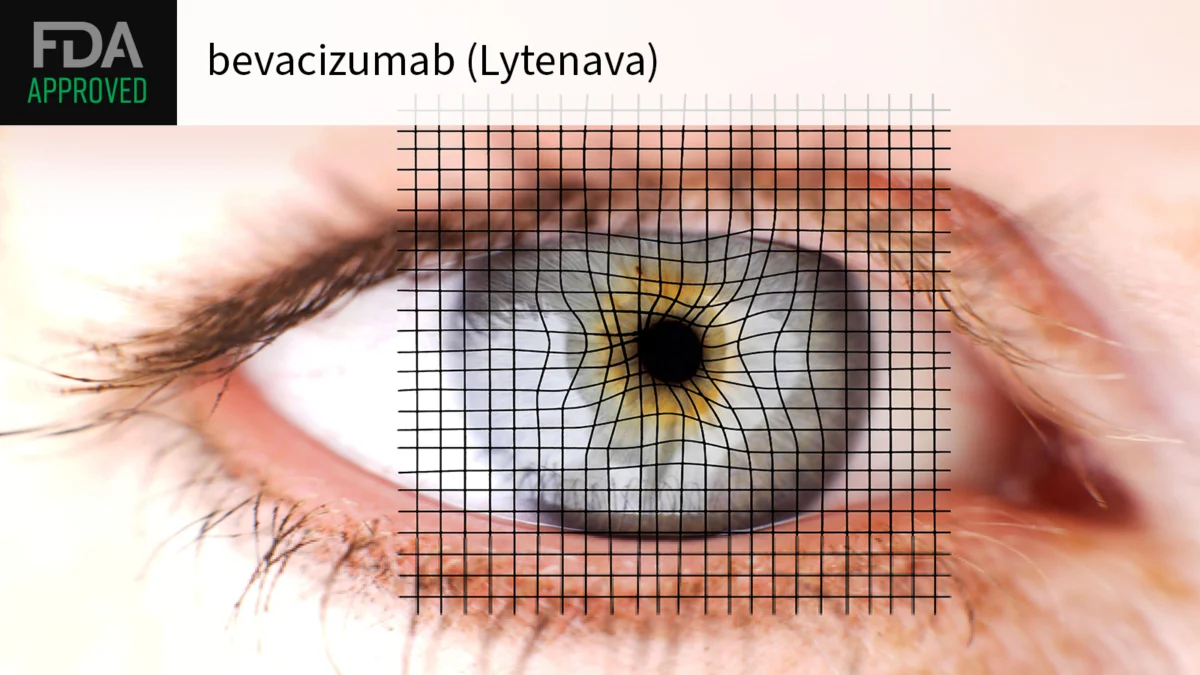
July 24, 2026 — In a landmark decision for retinal health, the U.S. Food and Drug Administration (FDA) has officially approved bevacizumab-vikg (Lytenava), marking the first time a formulation of the VEGF inhibitor has been specifically authorized for the treatment of neovascular (wet) age-related macular degeneration (nAMD).
For ophthalmologists and patients, this approval represents the formal recognition of a clinical practice that has been the industry standard for two decades. However, the transition from an "off-label" compounded treatment to an FDA-approved specialty product brings with it complex questions regarding pricing, accessibility, and the future of retinal care.
The Long Road to Regulatory Recognition
The approval of Lytenava by Outlook Therapeutics concludes a protracted regulatory journey. For over 20 years, physicians have been repurposing the cancer drug bevacizumab—originally marketed as Avastin—for the treatment of nAMD. Because the drug was never officially indicated for ocular use, clinicians relied on compounding pharmacies to prepare the medication for intravitreal injection.
The "off-label" era began shortly after bevacizumab received its initial FDA approval in 2004 for the treatment of metastatic colorectal cancer. By 2005, ophthalmologists—led by early adopters who recognized that the drug’s anti-VEGF (vascular endothelial growth factor) properties could inhibit the growth of abnormal blood vessels in the retina—began applying it to nAMD patients.
A History of Clinical Efficacy
The clinical utility of bevacizumab in the eye was profound. nAMD is a chronic, progressive retinal disease and a leading cause of severe vision loss among the elderly. By suppressing VEGF, bevacizumab prevents the leakage and hemorrhage of blood vessels in the macula, effectively halting or slowing vision loss. Over the last two decades, millions of injections have been administered globally, solidifying bevacizumab as a cornerstone of retinal therapy despite the lack of a formal, dedicated ophthalmic label.
Overcoming Regulatory Hurdles
The path to the approval of Lytenava was not without significant obstacles. Outlook Therapeutics previously faced a major setback in 2023, when the FDA issued a Complete Response Letter (CRL) rejecting the company’s initial application. At that time, the agency cited concerns regarding manufacturing processes and the robustness of the clinical evidence provided.
To secure this week’s approval, Outlook Therapeutics had to perform a rigorous remediation of its manufacturing protocols and provide additional data to satisfy the FDA’s stringent safety and efficacy standards. This process highlights the divide between the standards required for compounded drugs—which are often produced in smaller, pharmacy-specific batches—and the standardized, high-quality manufacturing required for an FDA-approved pharmaceutical product.
Economic Implications: The Cost of Formalization
Perhaps the most contentious aspect of this approval is the projected economic impact on the healthcare system. For years, the off-label use of bevacizumab has been praised for its affordability. Because the dose required for the eye (1.25 mg) is significantly smaller than the dose required for cancer patients, a single intravitreal injection of compounded bevacizumab typically costs between $50 and $60.
With the introduction of Lytenava, the market landscape is expected to shift. Outlook Therapeutics has indicated a list price of approximately $625 per dose in the U.K. market, a figure that is significantly higher than the traditional compounded price.
Balancing Quality and Affordability
Industry experts are divided on how this will affect patient access. While the formal approval provides a standardized, sterile, and FDA-vetted product, the price hike could place a financial burden on Medicare and private insurers, as well as on uninsured patients. The challenge for the retinal community will be balancing the clinical safety of a regulated product against the historical benefit of a highly affordable, albeit off-label, alternative.
Clinical Profile and Safety Data
Lytenava is intended for monthly administration, with a recommended dose of 1.25 mg (0.05 mL of 25 mg/mL). The clinical trials supporting this approval demonstrated a safety profile consistent with the known risks associated with intravitreal injections.
Adverse Reactions and Contraindications
According to the official product labeling, the most common adverse reactions reported in clinical trials (occurring in ≥1% of patients) included:
- Conjunctival hemorrhage (4%): A minor, though visible, bruising of the white of the eye.
- Eye pain (2%): Common following any intravitreal procedure.
- Vitreous floaters (2%): Small particles that drift in the field of vision.
The drug is strictly contraindicated in patients with existing ocular or periocular infections, active intraocular inflammation, or known hypersensitivity to bevacizumab or any of the product’s excipients.
Perspectives from the Retina Community
The reaction from the medical community has been largely positive, reflecting a sense of relief that a long-standing practice has finally received formal validation.
"The retina community has been waiting a long time for access to an FDA-approved, ophthalmic formulation of bevacizumab to treat patients suffering from wet AMD in the United States," said Firas Rahhal, MD, of Good Samaritan Hospital in Los Angeles. "It is exciting news that Lytenava will soon be an option for patients suffering from this disease."
Dr. Rahhal’s sentiment underscores the desire for a "gold standard" of care that is not reliant on pharmacy compounding, which carries inherent risks of contamination if protocols are not strictly followed. By providing a ready-to-use, FDA-approved vial, Outlook Therapeutics aims to reduce the variability and safety risks that have historically been associated with compounded bevacizumab.
Future Outlook: Implementation and Availability
Outlook Therapeutics has announced that Lytenava will be available to U.S. patients before the end of 2026. This timeline allows for the scaling of production and the integration of the drug into hospital and clinic supply chains.
The broader impact of this approval will likely ripple through the ophthalmology sector in three ways:
- Standardization: Clinics will shift from using pharmacy-compounded formulations to using the FDA-approved Lytenava, reducing the regulatory burden on eye care providers.
- Competition: The entry of a branded bevacizumab may force other anti-VEGF manufacturers to re-evaluate their pricing strategies in an increasingly crowded market that includes newer agents like faricimab (Vabysmo) and aflibercept (Eylea).
- Policy Shifts: The FDA may take a closer look at the use of other compounded medications in ophthalmology, potentially setting a precedent for more formal approvals of previously off-label therapies.
As the industry prepares for the commercial launch of Lytenava, the focus remains on patient outcomes. While the price increase is a valid concern for policymakers, the formalization of this therapy offers a significant benefit: a high-quality, reliable, and manufacturer-guaranteed product that carries the weight of FDA oversight.
For the millions of Americans living with wet AMD, this decision marks the end of an era of uncertainty and the beginning of a more regulated, standardized approach to saving sight. The next 18 months will be critical as providers navigate the transition, insurers update their coverage policies, and the market adjusts to the presence of a new, albeit familiar, name in retinal medicine.