April marks Stress Awareness Month—a crucial period for the "Sandwich Generation," those individuals currently squeezed between the responsibilities of caring for aging parents and raising their own children. For these caregivers, time is the ultimate luxury, often making traditional self-care routines feel like an impossible objective. However, emerging research in neuroscience suggests that longevity and brain health are not solely dependent on hour-long gym sessions, but rather on the intentional engagement of our five senses.
As outlined in the ME TIME MONDAY methodology, meaningful self-care can be achieved in as little as seven minutes. By integrating sensory-based interventions into the observances celebrated throughout April, caregivers can mitigate the physiological impacts of chronic stress and reclaim a sense of agency in their daily lives.
The Neuroscience of the Seven-Minute Hack
At the core of the Caregiving Club’s philosophy is the understanding that the brain is a sensory processing engine. Chronic stress triggers a sustained "fight or flight" response, which, over time, leads to elevated cortisol levels, systemic inflammation, and cognitive decline.

The seven-minute intervention is designed to "reset" the nervous system by forcing the brain to shift its focus from the internal noise of caregiving responsibilities to external, sensory-rich inputs. By grounding the caregiver in the present moment, these brief windows act as a circuit breaker, reducing the oxidative stress that typically accumulates during the relentless cycle of care.
Chronology of April: A Calendar of Sensory Wellness
To maximize the benefits of Stress Awareness Month, we have mapped specific self-care habits to key dates and observances throughout April. Each activity is designed to leverage sensory input to lower stress levels.
April 1: National Walking Day (Sight)
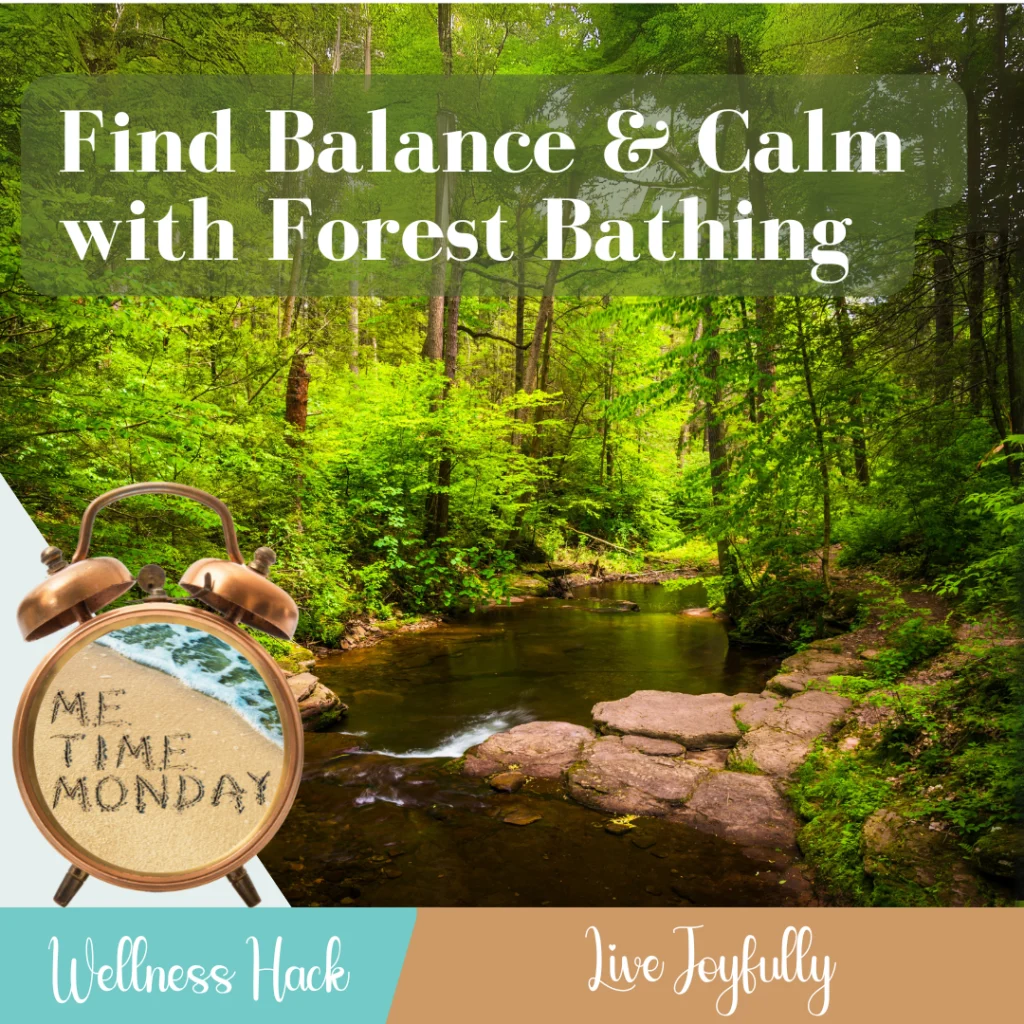
Walking is often viewed as a physical exercise, but for the stressed caregiver, it should be treated as a visual meditation. On National Walking Day, commit to a seven-minute walk where the goal is not caloric burn, but visual observation.

Research indicates that seven minutes of walking in nature provides physiological benefits equivalent to twenty minutes of treadmill exercise in an indoor, artificial environment. By actively focusing on what you see—the texture of bark, the variation of light through leaves, the colors of the horizon—you engage the brain’s observation centers, effectively lowering the oxidative stress associated with inflammatory markers. The challenge is to see how many details you can recall once you return home, a practice that shifts your brain from reactive stress to active awareness.
National Humor Month (Sound and Social Connection)
Humor is not merely a distraction; it is an ancient biological bonding mechanism. Engaging in a genuine belly laugh with a friend triggers the release of oxytocin—the body’s "love and bonding" hormone.
The Harvard Adult Development Study, an 85-year longitudinal project, has consistently identified the quality of human relationships as the single most significant factor in living a healthier, longer life. For the caregiver, prioritizing a seven-minute phone call or an in-person interaction that focuses on levity is a medical-grade intervention against loneliness and burnout.

National Healthy Home Month (Taste and Sight)
The environment in which we live profoundly dictates our internal stress levels. The color green, for instance, has been scientifically shown to induce feelings of pleasure and security in the human brain, likely due to its evolutionary association with reliable food sources.
For aging eyes, green is also the most optimistic and easiest color to perceive. Incorporating "eye candy" into your diet—specifically avocados—serves a dual purpose. Avocados are technically berries and are packed with nutrients that are superior to carrots for eye health. They provide critical protection against the blue light emitted by our ubiquitous digital devices, which can cause significant cellular eye stress. Mash one up, enjoy the taste, and take a moment to appreciate the vibrant color.
April 26: National Get Organized Day (Environment)
Clutter is not just an aesthetic issue; it is a neurological stressor. When our living or office spaces are filled with disarray, the brain perceives it as a signal of danger. If you cannot see your environment clearly, your brain remains in a state of low-level, background anxiety.

Use this day to perform a "micro-declutter." By clearing a single desk, a kitchen counter, or a workspace in seven minutes, you are sending a signal of safety to your amygdala. A clear space fosters a clear mind, reducing the ambient stress response that caregivers often normalize.
April 30: National Sense of Smell Day (Olfaction)
Air quality is a hidden factor in home-based stress. We accumulate approximately 40 pounds of dust and microscopic toxins in our homes annually. Improving indoor air quality through biophilic design—specifically by introducing plants—can dramatically lower cortisol levels. NASA research has highlighted five specific plants that are most effective at scrubbing the air: the Areca Palm, Aloe Vera, Bamboo, English Ivy, and the Spider plant. On the final day of April, focus on your sense of smell by bringing one of these living, air-purifying companions into your home environment.
Supporting Data: Why Small Habits Work
The efficacy of these seven-minute hacks is rooted in the concept of "micro-dosing" wellness. For a caregiver or someone in the Sandwich Generation, the idea of an hour-long yoga class or a weekend retreat is often an unrealistic expectation that leads to further guilt when it isn’t met.

- Oxidative Stress Reduction: Studies show that nature-based sensory input directly correlates to a reduction in the markers of inflammation.
- The Power of Connection: The Harvard Study confirms that social health is a predictor of longevity that often outweighs traditional metrics like diet or exercise frequency.
- Environmental Psychology: Research into "biophilia" confirms that humans have an innate tendency to seek connections with nature and other forms of life, which is why indoor plants and nature walks are not just "nice to have," but essential for emotional regulation.
Implications for the Sandwich Generation
The implications of these findings are clear: caregiving does not have to result in the caregiver’s own decline. However, it requires a shift in perspective. Instead of viewing self-care as a time-consuming chore, caregivers must view it as a series of essential, micro-interventions.
For those in the Sandwich Generation, the pressure is bidirectional. You are managing the health of an aging parent while simultaneously molding the health of a child. If you do not maintain your own biological and psychological infrastructure, the entire system is at risk of collapse. The "Seven-Minute Strategy" is the most effective way to ensure that your own needs are met without compromising your caregiving duties.
Official Recommendations and Resources
To further assist in this journey, the Caregiving Club provides a suite of resources tailored to the specific, high-stress reality of the modern caregiver.

- The ME TIME MONDAY Book: This serves as the foundational text for integrating neuroscience and nature into your daily routine. It provides a structured approach to the sensory-based hacks mentioned above.
- Corporate Wellness Programs: We offer specialized webinars and workshops for employer groups, acknowledging that caregiving responsibilities often bleed into professional life. Employers who support the mental health of the "Sandwich Generation" workforce see higher retention and lower burnout rates.
- Digital Content: For those who prefer visual and auditory learning, our YouTube channel (@caregivingclub) hosts a growing library of "Self-Care in 7 Minutes" videos. These include:
- How Laughter Can Treat Loneliness
- Finding Balance and Calm with Forest Bathing
- Declutter Your Life for Mental Clarity
Conclusion: A New Standard for Care
April is more than just a month on the calendar; it is an opportunity to redefine what it means to care for oneself. By moving away from the "all or nothing" approach to wellness and embracing the power of seven-minute sensory hacks, caregivers can build a sustainable model of health. Whether it is the visual stimulation of a nature walk, the social release of a laugh, or the environmental reset of a decluttered room, you have the power to influence your brain health and your longevity.
Remember, self-care is not a luxury—it is a requirement for anyone tasked with the monumental responsibility of caring for others. Start small, stay consistent, and use the month of April to transform your seven minutes into a lifetime of resilience.