










The landscape of oncology is currently navigating a paradigm shift, moving from reactive, symptom-based diagnosis toward proactive, early-detection strategies. At the center of this transition is the Galleri test, a multi-cancer early detection (MCED) blood test developed by Grail. As the medical community debates the integration of liquid biopsies into routine care, a recent advisory panel meeting has highlighted both the life-saving potential and the significant clinical risks associated with this pioneering technology.
The Core Concept: Decoding Methylation Patterns
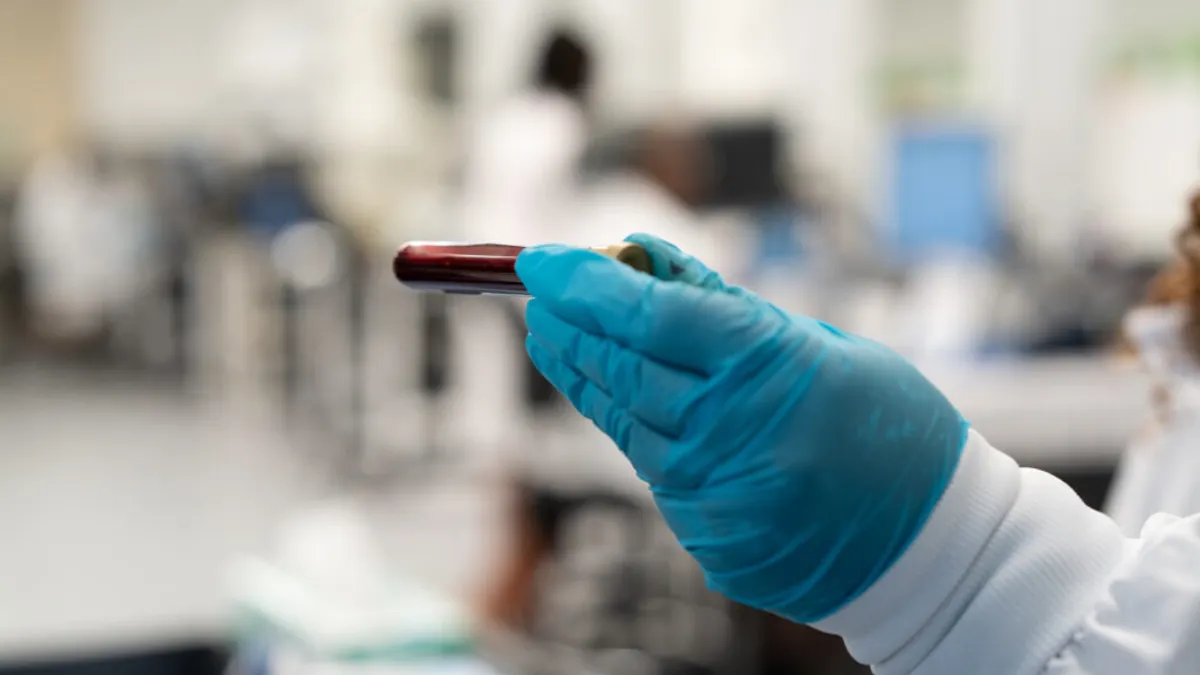
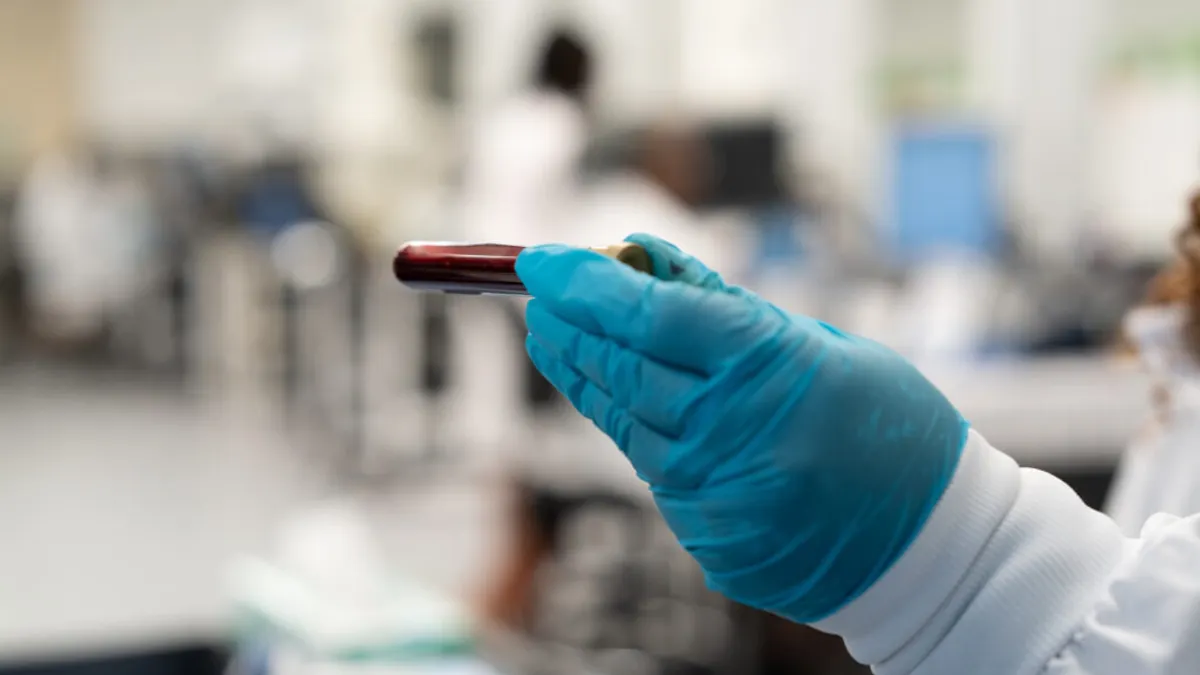
The Galleri test represents a technological leap in how we approach cancer screening. Unlike traditional screenings—such as mammograms for breast cancer or colonoscopies for colorectal cancer, which target specific organs—the Galleri test is a "pan-cancer" solution. It utilizes a single blood draw to analyze cell-free DNA (cfDNA) shed by tumors into the bloodstream.
By examining methylation patterns—chemical modifications that serve as biological signposts—the test can identify the presence of a cancer signal. Furthermore, if a signal is detected, the algorithm attempts to predict the tissue of origin, providing clinicians with a roadmap for follow-up diagnostic imaging or biopsies. This capability is particularly vital for cancers that currently lack any standard-of-care screening, such as pancreatic, esophageal, or ovarian cancers, which are often detected only at late, incurable stages.
A Chronological Perspective on Development and Validation
The journey of the Galleri test has been marked by rapid innovation, regulatory complexity, and intense data scrutiny.
- 2021: Commercial Entry. Grail began offering Galleri as a laboratory-developed test (LDT). Because LDTs are regulated differently than standard diagnostic devices, this allowed the company to enter the market without full FDA premarket approval, providing early access to patients while gathering real-world evidence.
- The NHS-Galleri Trial. As the technology moved toward broader adoption, the large-scale NHS-Galleri trial in the United Kingdom served as a critical litmus test. While the study failed to meet its primary endpoint—an outcome that raised eyebrows in the oncology community—the data revealed a more nuanced story.
- The Pivot to Early Detection. Despite missing the primary goal, Grail reported that the data indicated a significant shift in cancer detection toward earlier stages of the disease. The company claims the test detects four to seven times more cancers than the current standard of care alone, suggesting that while it may not be a perfect diagnostic tool, its role in catching asymptomatic, early-stage malignancies is substantial.
- Recent FDA Advisory Panel. The most recent chapter involves an FDA advisory committee tasked with evaluating the safety and efficacy of the platform. The committee’s deliberations focused on the balance between clinical utility and the potential for patient harm.
Supporting Data: The Promise and the Pitfalls
The enthusiasm for the Galleri test is bolstered by anecdotal evidence that is difficult to ignore. Patients like Kevin McFarland, a retired firefighter whose esophageal cancer was identified at stage 1 via the test, serve as powerful testaments to its potential. For these individuals, the test was not just a diagnostic tool; it was a life-saving intervention that identified a silent killer before it could metastasize.
However, the scientific community remains cautious. The skepticism stems from the inherent limitations of sensitivity and specificity. Charity Morgan, a professor of biostatistics at the University of Alabama, underscored a major concern: the lack of comprehensive data across all cancer types. She argued that until the evidence confirms the test’s efficacy for specific, rarer malignancies, it is premature to claim broad-spectrum reliability.
Furthermore, there is the risk of the "false positive." A positive result from a blood test is not a diagnosis; it is an indication of a potential signal. A false positive can lead to unnecessary, invasive follow-up procedures—such as biopsies or surgeries—that carry their own health risks, as well as significant psychological distress for the patient.
Official Responses and Clinical Guidelines
The overriding consensus from the medical panel is that the Galleri test should occupy a supplementary, rather than primary, role in healthcare.
"The biggest concerns, as we’ve talked about, are people being falsely reassured and not getting recommended screening, and then the very small number of people who have a false positive, and the exposure they get to follow-up testing," noted Deborah Armstrong, professor of oncology at Johns Hopkins School of Medicine.
The medical establishment is firm: Galleri is not a replacement for colonoscopies, mammograms, or lung cancer screenings. These established guidelines are rooted in decades of longitudinal data, and the risk of a patient skipping these proven procedures in favor of a blood test—potentially missing a cancer that the blood test might not catch—is a scenario that regulators are desperate to avoid.

Grail itself has echoed this stance, emphasizing that their test is designed to be used "in addition to, and not as a replacement for, guideline-recommended screenings." The company is currently positioning the product as a tool to fill the "screening gap" for cancers where no other options exist.
Implications for the Future of Oncology
The debate surrounding the Galleri test is a microcosm of the larger challenges facing digital health and biotechnology. As we enter the era of "multi-cancer early detection," several key implications emerge for the future of medicine:
1. The Need for Better Education
If these tests are to be integrated into clinical practice, patient and provider education is paramount. Patients must understand that a "negative" result is not a guarantee of a cancer-free status, and a "positive" result is not a terminal diagnosis. Informed consent must evolve to match the complexity of these new diagnostics.
2. The Regulatory Balancing Act
The FDA faces a delicate challenge. If they move too slowly, they stifle innovation that could save thousands of lives annually. If they move too quickly, they risk saturating the market with tests that might produce more harm than good through diagnostic cascades—the cycle of unnecessary testing and anxiety. The current path of evidence-based, incremental approval seems the most likely route forward.
3. Economic and Equity Considerations
There is also the question of cost-effectiveness and access. If insurance companies are to cover these tests, the cost-benefit analysis must be ironclad. If these tests only reach the affluent, they may inadvertently widen the gap in health outcomes. The long-term goal for proponents is to prove that the cost of the test is far lower than the cost of treating late-stage, metastatic cancer.
4. Refining the Algorithms
As more data is collected, the algorithms powering the Galleri test will undoubtedly improve. Machine learning models will become better at distinguishing between benign signals and early-stage tumors, thereby reducing false positives. The current iteration of the test is likely just the beginning of a trajectory that will eventually lead to higher precision and broader clinical applicability.
Conclusion
The Galleri test represents a bold, if imperfect, step into the future of cancer care. It offers the tantalizing possibility of detecting cancers when they are most treatable, providing a glimmer of hope for patients who might otherwise remain undiagnosed until it is too late.
Yet, the message from the clinical community is clear: technology is not a substitute for rigorous medical standards. By keeping the Galleri test in its lane—as an adjunct to, not a replacement for, traditional screening—the medical community can harness its potential while minimizing the risks. As the technology continues to mature, the focus must remain on gathering robust, transparent, and patient-centered data. The promise of early detection is great, but the responsibility to "do no harm" remains the ultimate benchmark for success in this new frontier.