As the autumn season begins and schools across the United States welcome students back into classrooms, the nation finds itself grappling with a dual crisis: a resurgence of preventable infectious diseases and a deepening ideological rift over public health policy. With measles cases climbing in multiple states, a coalition of the nation’s most prominent medical organizations—including the American Medical Association (AMA) and the American Academy of Pediatrics (AAP)—has taken the rare step of issuing independent vaccine guidance. This move serves as a direct rebuttal to what these experts characterize as inconsistent, politically charged, and scientifically unfounded messaging emanating from federal health agencies and the current administration.
At the heart of this friction is a dispute over the classification of recent measles-associated deaths in Pennsylvania and the broader, more aggressive rhetoric from the Department of Health and Human Services (HHS).
The Current Landscape: A Surge in Preventable Illness
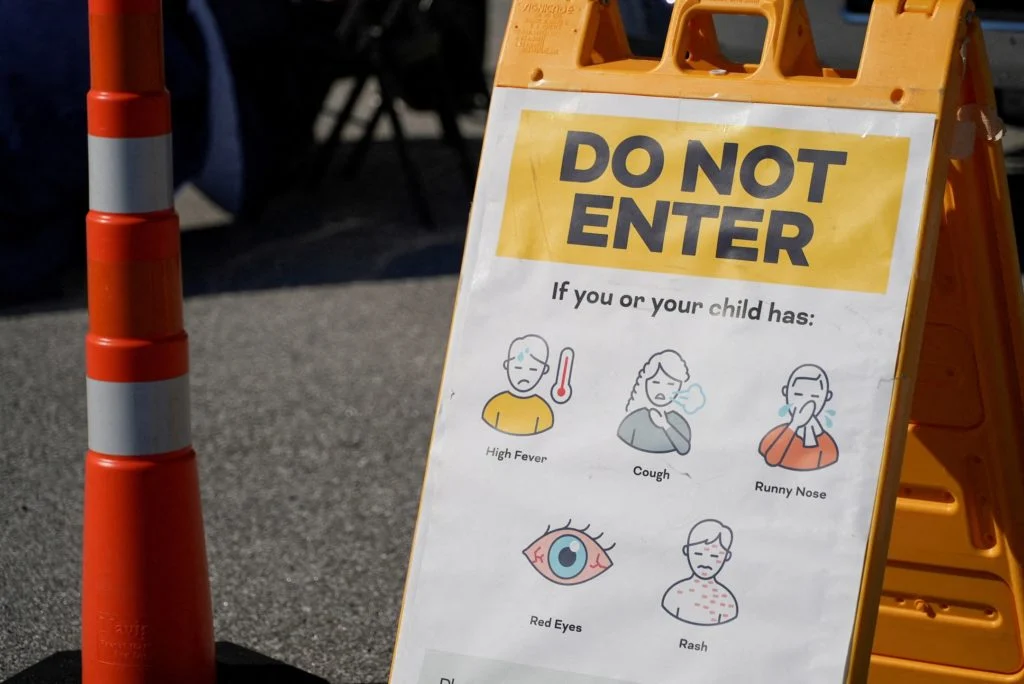
Measles, a highly contagious viral disease that was declared eliminated in the United States in 2000, has staged a troubling comeback. Public health experts warn that the current count of reported cases—approximately 5,000 over the past 18 months—is likely a significant undercount. On-the-ground clinicians in hotspots ranging from Texas and South Carolina to Pennsylvania estimate that the actual number of infections may be three to four times higher than official tallies.
The timing of this surge is particularly concerning. Measles transmission typically accelerates during the winter and spring months. As children congregate in school settings, the window for effective public health intervention is narrowing. Pediatricians are calling for urgent, targeted vaccination campaigns in high-risk communities to prevent further hospitalizations and potential fatalities.
Chronology of the Pennsylvania Dispute
The current national discourse was ignited by a series of events in Pennsylvania involving the deaths of two individuals.
- The Announcement: Pennsylvania Governor Josh Shapiro publicly identified two deaths in his state that were associated with measles. One case involved a newborn who contracted the virus from their mother; the other individual was also unvaccinated.
- The Federal Rebuttal: In a move that surprised many in the public health community, the Centers for Disease Control and Prevention (CDC) contradicted state officials, refusing to categorize these fatalities as "measles-associated" on their federal tally, citing insufficient data.
- Escalation: The disagreement rapidly transcended medical nuance and entered the political arena. Robert F. Kennedy Jr., serving as the Secretary of Health and Human Services, publicly attacked Governor Shapiro, accusing him of "giddiness" in announcing the deaths and suggesting the cause of death had been fabricated.
- The Medical Clarification: Dr. Paul Offit, director of the Vaccine Education Center at the Children’s Hospital of Philadelphia, addressed the controversy by noting that the state health department could have been more transparent regarding the specifics of the cases. However, he emphasized that the clinical evidence for a measles-linked death—such as measles pneumonia, dehydration, or complications like splenic rupture—is medically sound.
The Semantic Debate: "Dying From" vs. "Measles-Associated"
The debate over whether a death is "caused by" measles or "associated with" measles has been described by experts as a "semantic morass." Dr. Offit argues that, clinically, the distinction is often negligible.
In the case of the newborn infant mentioned by Governor Shapiro, medical evidence confirmed the presence of the virus in the lungs and a ruptured spleen—a known, though rare, complication of severe measles infection. By debating the classification of these deaths, the CDC has been accused of falling into a political trap, potentially undermining its credibility as an objective scientific body. Critics view this hesitation as a test of the agency’s leadership under current director Dr. Erica Schwartz, raising concerns that public health data is being influenced by partisan pressures.
Political Interference and the Erosion of Trust
The tension between state health officials and the federal government is being exacerbated by a shift in administrative policy. President Trump recently issued an executive order calling for a reduction in the number of routinely recommended childhood vaccines, suggesting a shift from 17 to 10 or 11. The order further proposed separating the Measles, Mumps, and Rubella (MMR) vaccine into individual components and altering vaccine adjuvants.
These recommendations have faced intense backlash from the medical establishment. The AMA and AAP have issued statements reaffirming that there is no "new science" to support these drastic changes. Experts like Dr. Offit maintain that these policy shifts are not based on empirical data but are instead driven by an anti-vaccine agenda being championed by the current HHS leadership.
Implications for Public Health
The politicization of vaccine science has created a chaotic environment for parents and healthcare providers. The primary concern is that the erosion of trust in federal health agencies will lead to declining vaccination rates, leaving communities vulnerable to outbreaks that were previously controlled.
- Clinical Impact: Lower vaccination rates correlate directly with higher incidences of measles, which can lead to severe pneumonia, encephalitis, and long-term health consequences for children.
- Resource Misallocation: When energy is spent on public disputes over terminology, it is diverted away from the essential work of deploying mobile clinics and conducting outreach in at-risk areas, such as the Lancaster County community in Pennsylvania.
- Institutional Credibility: The CDC’s reluctance to stand by its own data in the face of political pressure threatens to permanently diminish the agency’s role as the gold standard for public health guidance.
The Resilience of the Pediatric Standard
Despite the inflammatory rhetoric from the executive branch, there is evidence that the foundation of pediatric care remains intact. Dr. Offit noted that, in the immediate aftermath of President Trump’s press conference regarding the proposed vaccine schedule, the practical reality in doctors’ offices remained largely unchanged. Parents continued to bring their children in for routinely scheduled, science-based immunizations.
This resilience suggests that the "trust gap" between the political leadership and the American public, particularly parents, remains a critical buffer. However, medical organizations are not taking this for granted. By issuing their own independent guidance, the AMA and AAP are signaling that they will no longer wait for federal agencies to provide clarity when that clarity is being compromised by political agendas.
Looking Forward: A Call for Science-Based Action
As the winter season approaches, the consensus among infectious disease experts is clear: the focus must shift back to the fundamentals. This includes:
- Prioritizing Vaccination: Re-engaging with families in communities with low vaccination coverage to explain the benefits and safety profiles of current, CDC-recommended vaccines.
- Depoliticizing Data: Ensuring that public health classifications—such as death reporting—remain the domain of epidemiologists and clinicians, free from the influence of political appointees.
- Unified Communication: Re-establishing a consistent, evidence-based narrative that prioritizes the health and safety of children over ideological signaling.
The current state of public health in America is at a crossroads. While the political class continues to debate the merits of established science, the medical community is attempting to steer the conversation back toward the protection of the nation’s youth. The "semantic morass" surrounding measles deaths may be a temporary point of contention, but the long-term implications of allowing vaccine policy to be driven by political rhetoric rather than clinical evidence are far more profound. As Dr. Offit aptly noted, while public health will always require political resources, it must not become a partisan weapon—the cost of such a shift is measured in the health and lives of the next generation.