









WASHINGTON — Federal health authorities have sounded a major alarm regarding food safety after a widespread recall was initiated for a commercial-grade alfredo sauce distributed across dozens of states. The recall, prompted by potential Salmonella contamination, underscores the fragility of complex food supply chains and the persistent risks posed by raw ingredient vulnerabilities.
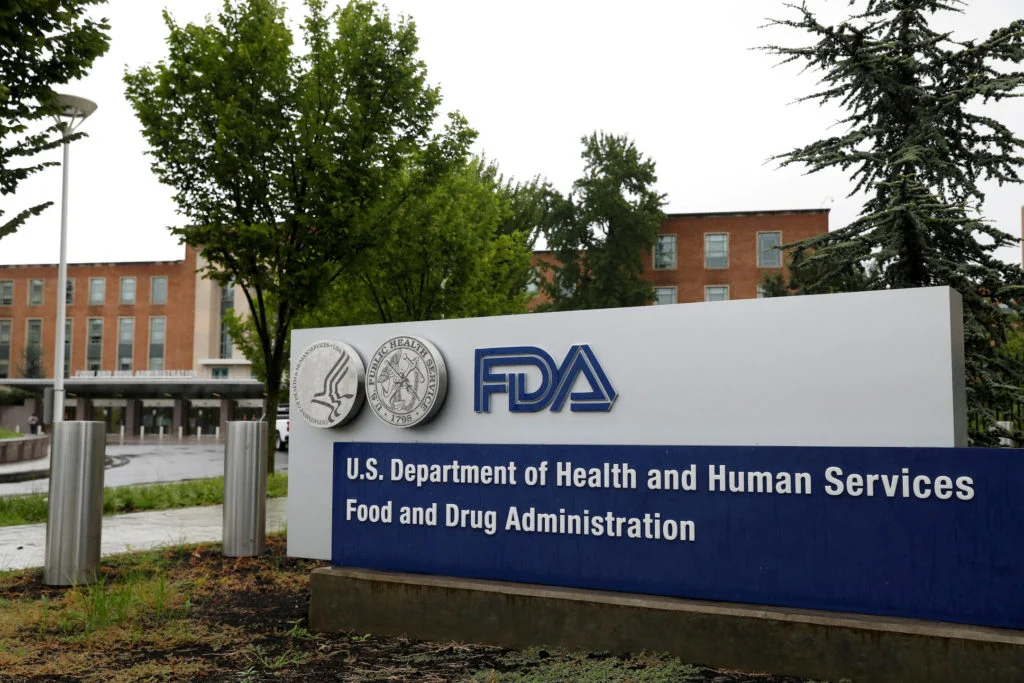
The U.S. Food and Drug Administration (FDA) has categorized this recall as a "Class I" event—the agency’s most serious designation—signaling that there is a reasonable probability the consumption of the product could lead to severe adverse health consequences or even death.
The Scope of the Recall: Understanding the Hazard
The recall involves a significant volume of product manufactured and distributed by The Coffee Connexion Co. Inc., a company headquartered in Lebanon, Tennessee. According to the FDA’s enforcement report, the recall was initiated following the discovery that a dry milk powder ingredient used in the production of the sauce may have been contaminated with Salmonella.
The scale of the recall is substantial. Official data confirms that 913 cases of the sauce have been pulled from the supply chain. Each case contains 12 sealed bags, with each individual bag weighing over 3 pounds (approximately 1.36 kilograms). This equates to over 32,000 pounds of potentially hazardous product circulating through commercial kitchens and food service distributors across the United States.
Salmonella is a genus of bacteria that remains one of the most frequent causes of foodborne illness worldwide. When ingested, it can lead to salmonellosis, a condition that, while often self-limiting in healthy adults, can prove fatal in vulnerable populations. The presence of this pathogen in a dry ingredient—often considered a "shelf-stable" component—highlights the critical importance of rigorous supplier vetting and quality control testing protocols.
Chronology of the Contamination Event
The timeline of this incident reveals a methodical, if slow, progression from the discovery of contaminated ingredients to public notification.
- Initial Discovery: Following internal safety audits and supplier reporting, The Coffee Connexion Co. Inc. identified that a specific batch of dry milk powder—a key thickening and flavor agent in their alfredo sauce—was potentially compromised by Salmonella.
- Voluntary Recall Initiation: In May 2026, the company opted to initiate a voluntary recall, notifying its distributors and commercial clients to sequester and destroy the affected stock.
- FDA Enforcement Designation: By mid-June 2026, the FDA formally reviewed the safety data and designated the recall as a Class I action, elevating the urgency of the situation to the public.
- Public Awareness Campaign: On June 15, 2026, the formal FDA enforcement report was released, alerting the public and health departments across the country to the nature of the hazard.
As of the latest reports, The Coffee Connexion Co. Inc. has not provided additional commentary to the media regarding the specific supply chain origin of the tainted milk powder.
Clinical Implications: The Pathophysiology of Salmonella
To understand why the FDA has classified this as a "high-risk" event, one must look at the clinical presentation of Salmonella poisoning. The bacteria typically invade the gastrointestinal tract, causing significant inflammatory responses.
Symptom Progression
Patients infected with Salmonella usually begin to exhibit symptoms within 12 to 72 hours of ingestion. The hallmark symptoms include:
- Gastrointestinal Distress: Severe abdominal cramps, nausea, and vomiting.
- Systemic Response: High fever and watery or bloody diarrhea.
- Duration: The illness generally persists for four to seven days. Most individuals recover without specific medical treatment; however, in severe cases, the infection can spread from the intestines to the bloodstream and other parts of the body, leading to life-threatening complications.
Vulnerable Populations
The FDA’s "Class I" warning is specifically focused on the heightened risk to certain demographics. Children under the age of five, adults over the age of 65, and individuals with compromised immune systems (such as those undergoing chemotherapy or living with chronic health conditions) are at a significantly higher risk of developing invasive, systemic infections. In these instances, hospitalization and intensive antibiotic therapy are often required.
Official Responses and Regulatory Oversight
The FDA continues to maintain a vigilant watch over the recovery process. In its enforcement report, the agency noted that it is working in tandem with the manufacturer to ensure that all affected products are accounted for and removed from the market.
However, the lack of immediate response from the FDA regarding specific distribution lists—which states have received the most product, for instance—has sparked questions about the transparency of the recall process. When a Class I recall occurs, public health experts often urge local health departments to act as the primary interface with restaurants and institutions that may have purchased the sauce in bulk.
The Coffee Connexion Co. Inc. has yet to issue a formal apology or a public statement detailing how the contaminated milk powder entered their production facility. This silence is common in the early stages of high-stakes recalls as legal teams assess liability and supply chain audits are conducted.
Implications for the Food Service Industry
This incident serves as a stark reminder of the "multiplier effect" inherent in food service supply chains. Unlike a recall at a retail grocery level—where the consumer buys a single jar of sauce—a recall involving 3-pound industrial bags suggests that the product was primarily sold to restaurants, catering firms, hospitals, and university dining services.
The Challenge of Traceability
When a product enters the commercial food service stream, tracking it to the "last mile" is notoriously difficult. A distributor may sell the sauce to a regional wholesaler, who in turn sells it to hundreds of individual food outlets. Each of those outlets must be notified, and each kitchen must verify their inventory. If even one kitchen fails to receive the notice, the risk of a widespread outbreak remains high.
Supply Chain Resilience
Experts in food safety suggest that this event will likely lead to tighter regulations on the sourcing of dairy-based dry ingredients. Dry milk powder is frequently used because of its shelf life, but it is also a known vector for pathogens if the dehydration process is not properly managed or if the facility is not kept under strict sanitary controls.
Following this recall, food industry analysts expect:
- Increased Auditing: A shift toward more frequent, third-party audits of dry ingredient suppliers.
- Enhanced Labeling: Improved lot-tracking systems to ensure that in the event of a recall, specific batches can be identified and isolated within minutes, rather than days or weeks.
- Liability Scrutiny: A renewed focus on the legal responsibilities of middle-tier manufacturers who process raw ingredients provided by third parties.
Conclusion: A Call for Vigilance
As the investigation into The Coffee Connexion Co. Inc.’s alfredo sauce continues, the primary priority remains the containment of the product and the monitoring of public health records for potential clusters of salmonellosis.
For the average citizen, the risk of encountering this specific product is relatively low, as it is largely geared toward professional food service environments. However, the event acts as a broader cautionary tale. Consumers and food service workers alike are encouraged to remain vigilant about recall notices issued through the FDA’s online portal and to report any suspected foodborne illnesses to their local health authorities immediately.
In a modern, interconnected food system, the safety of the individual is inextricably linked to the safety of the supplier. Until the affected inventory is fully accounted for, the FDA’s Class I designation remains a critical alert to the seriousness of this potential public health crisis.
For more information on current recalls and food safety, the public is encouraged to visit the official FDA Enforcement Report website to view updated safety information.