











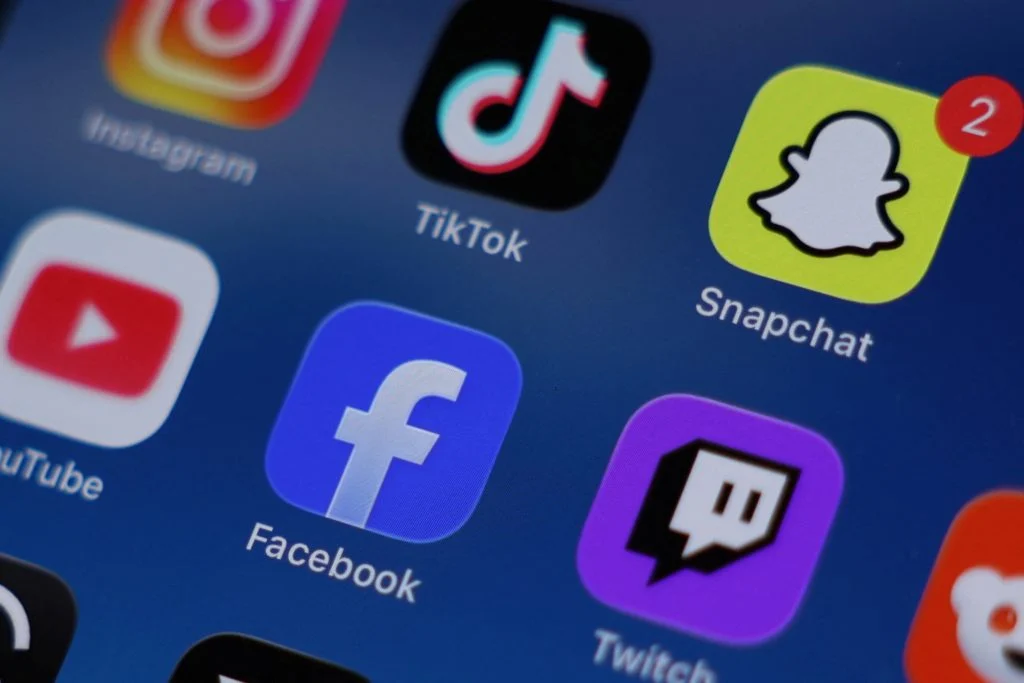
LONDON — In a move that signals a seismic shift in the relationship between Big Tech and the state, Prime Minister Keir Starmer has announced that the United Kingdom will implement a sweeping ban on social media access for children under the age of 16. The policy, slated to take effect early next year, targets major platforms including Snapchat, TikTok, Instagram, Facebook, and X, as the government seeks to curb what it identifies as a mounting crisis of mental health, addiction, and exposure to harmful content.
This legislative pivot positions the United Kingdom at the forefront of a global regulatory wave. As governments grapple with the societal consequences of the digital age, nations from Australia to Brazil are racing to define the boundaries of childhood in a virtual world. However, the U.K.’s approach is notably more aggressive than its peers, aiming to go beyond simple age-gating to regulate the architecture of online engagement itself.
The Case for Intervention: A "Big Moment" for Britain
Prime Minister Starmer, who has framed this policy as a moral imperative, stated clearly on Monday: "Every parent can see it with their own eyes. Social media is making children unhappy. I’ve heard first-hand from families crying out for change, and we will do right by them."
The Prime Minister’s rhetoric is grounded in a growing body of anecdotal and clinical evidence suggesting that the "infinite scroll" and algorithmic curation of social media are fundamentally ill-suited for developing minds. The government’s decision follows a robust public consultation process that yielded over 116,000 responses from parents, tech firms, and children. The consensus was striking: over 90% of respondents voiced support for a legislative ban on social media access for those under 16.
For advocates like Ellen Roome, a campaigner who lost her 14-year-old son to suicide, the legislation is long overdue. "The tech companies, if they wanted to make changes, they could have done that by now," Roome argued. "They’ve chosen not to do it. We need to come down hard on them."
Chronology of a Regulatory Shift
The path to this decision has been paved by years of mounting pressure from child safety advocates and high-profile tragedies.
- The Catalyst Years: The issue gained national prominence in the U.K. following the inquest into the death of Molly Russell, a 14-year-old who died by suicide after exposure to self-harm content on Instagram and Pinterest. The resulting outcry placed the onus of responsibility squarely on platform algorithms.
- The Australian Precedent: In late 2024, Australia became the first nation to enact a comprehensive ban on social media for children under 16, setting the gold standard for enforcement through heavy fines for non-compliant tech companies.
- The Consultation Phase: Throughout early 2025, the U.K. government solicited feedback from a broad coalition of stakeholders. The data collected during this period became the backbone of the current proposal.
- The Announcement: Monday’s announcement marks the culmination of these efforts, with Starmer promising that the U.K. will move "further and faster" than any previous international model.
The Legislative Blueprint: What the Ban Entails
Unlike previous, more timid attempts at regulation, the U.K. proposal focuses on holding the platforms—not the children—accountable.
Scope and Exclusions
The ban applies to the "Big Tech" ecosystem: Snapchat, TikTok, YouTube, Instagram, Facebook, and X. Crucially, the government has carved out exceptions for platforms deemed "beneficial" or strictly functional. YouTube Kids, which offers curated, age-appropriate content, will remain accessible. Messaging services like WhatsApp and Signal—which operate on a peer-to-peer basis rather than an algorithmic feed—are also excluded from the current scope.
Beyond the Feed
The government’s ambition does not stop at social media. Starmer has signaled intent to:
- Restrict AI Companions: Chatbots designed to simulate romantic or sexual relationships will be restricted to users 18 and older.
- Gaming Safety: New regulations will target "stranger danger" on gaming and livestreaming platforms, requiring stronger verification for private messaging.
- Algorithmic Guardrails: The government is exploring "off-switches" for infinite scrolling and the implementation of mandatory nighttime curfews for under-18 accounts.
Official Responses and the Corporate Backlash
The reaction from Silicon Valley has been swift and critical. Meta and YouTube, the two primary targets of the legislation, have warned that the government’s approach is fundamentally flawed.
"Blanket bans push kids out of such curated, supervised, beneficial experiences and towards anonymous, less-safe services," a YouTube spokesperson said. Meta echoed this sentiment, arguing that removing parental controls from the regulated, monitored spaces of major platforms will force teenagers into the "dark web" of unmonitored, decentralized, and significantly more dangerous alternatives.
There is also a profound technical skepticism among experts. Professor Jon Crowcroft of the University of Cambridge, an authority on communications systems, warned that enforcing a digital border is an exercise in futility. "Policing devices is close to impossible technically," he noted, highlighting that VPNs and other workarounds could render the ban symbolic rather than functional.
The Geopolitical Dimension
The legislation has hit a nerve in Washington. The U.S. Embassy in London issued a pointed statement expressing concern that the regulations could violate free speech protections and place an undue, discriminatory burden on American technology companies.
Starmer, currently battling internal dissent within his own Labour Party, seems undeterred. He is scheduled to meet with President Donald Trump and other G7 leaders at a summit in France, where he intends to frame child digital safety as a non-negotiable global standard. "I honestly think that across world leaders, there has always been a recognition that leaders have to take steps to protect children," he said. "I don’t think that’s controversial."
Implications: A New Era for the Internet?
The implications of the U.K. move are profound. If the government succeeds in enforcing a ban, it will likely trigger a ripple effect, encouraging other European nations—many of which are already studying the model—to follow suit.
However, the "effectiveness gap" remains the central challenge. Critics like Kate Edwards of the Molly Rose Foundation argue that the government is focusing on the wrong target. By fixating on the age of the user rather than the nature of the algorithm, the government may be creating a bureaucratic hurdle that fails to protect children from the core dangers of the internet. "It does nothing to address the actual problem itself—the harmful algorithms, the harmful content that is existing on those platforms," Edwards said.
Furthermore, the privacy implications are significant. To enforce an under-16 ban, platforms will likely need to collect more data to verify the age of their users, potentially conflicting with established data protection laws and raising new concerns regarding the security of children’s personal information.
Conclusion: The Road Ahead
As the U.K. prepares for the rollout next year, the debate serves as a microcosm of the modern democratic struggle: how to balance individual liberty and technological innovation with the state’s duty to protect its most vulnerable citizens.
For Prime Minister Starmer, the policy is a gamble. It is a bold, high-stakes attempt to reclaim the digital landscape from corporations that have long operated with minimal oversight. Whether this move leads to a safer, healthier digital environment for Britain’s youth or merely creates a generation of savvy, work-around-proficient teenagers remains to be seen. What is certain, however, is that the era of "unregulated adolescence" on the internet is rapidly coming to an end.
The coming months, which will bring further technical details and potential legal challenges, will determine whether this policy will be remembered as a landmark victory for child safety or a well-intentioned policy failure in an increasingly interconnected world.