








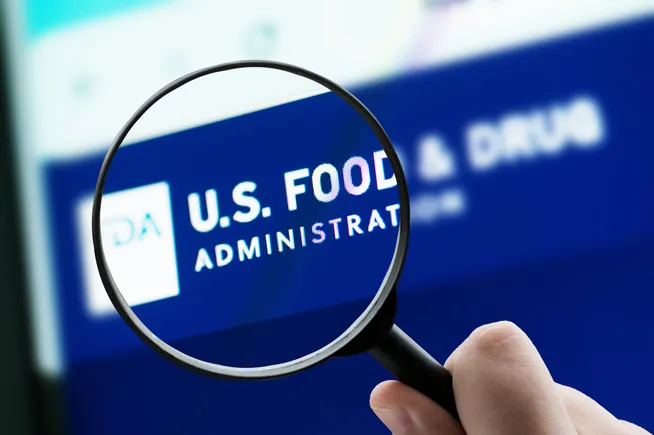
In a strategic move to reclaim its status as the global epicenter for pharmaceutical innovation, the U.S. Food and Drug Administration (FDA) formally launched an ambitious initiative on Tuesday aimed at slashing the time required to initiate early-phase clinical trials. The program, dubbed the “Expedited Investigational New Drug (IND) Pilot,” is the centerpiece of a broader federal effort known as “Operation Trialblazer.”
This initiative represents a direct response to a mounting crisis in the American life sciences sector: a significant shift of early-stage research to overseas markets, specifically China and Australia. By streamlining regulatory hurdles and fostering closer collaboration between academic institutions and drug developers, the FDA hopes to stem the tide of intellectual property and investment flowing out of the United States.
The Genesis of Operation Trialblazer: A Response to Global Competition
The concept of Operation Trialblazer, first introduced by the Department of Health and Human Services (HHS) in June, emerged from a growing consensus among policymakers and industry leaders that the U.S. regulatory environment had become overly cumbersome compared to international competitors.
For years, domestic drug sponsors have complained that the "time-to-first-human-trial" in the U.S. can take up to two years—a period of stagnation that is increasingly untenable in the high-stakes world of biotechnology. In contrast, international hubs have aggressively marketed themselves as efficient alternatives.
Chronology of the Regulatory Shift
- 2010–2020: The rise of biotechnology infrastructure in Asia, particularly China, creates a new, faster pipeline for global clinical trials.
- June 2024: HHS announces "Operation Trialblazer," a government-led push to overhaul the speed and efficiency of bringing new medicines to clinical settings.
- August 2024: Industry advocates, including the Biotechnology Innovation Organization (BIO), provide formal feedback, highlighting the potential benefits of "rolling reviews" while warning against redundant bureaucratic layers.
- October 2024: The FDA officially opens the application window for the Expedited IND Pilot, with a submission deadline set for October 30.
The Mechanics of the Expedited IND Pilot
At the heart of the new pilot program is a reimagined workflow for Investigational New Drug applications. The FDA plans to select between eight and ten "qualified research institutions" to serve as partners for drug sponsors.
These institutions—which may include academic research centers or highly specialized contract research organizations (CROs)—will be selected for their "specialized and substantial scientific expertise." The primary innovation here is the shift from a sequential review process to a “rolling review.”
Under the current standard, trial site preparation, ethics reviews, and regulatory submissions often occur in a linear, time-consuming sequence. The pilot program mandates that these processes occur in parallel. By receiving data in components rather than waiting for a complete, finalized submission, the FDA can identify and resolve potential regulatory roadblocks in real-time. This proactive approach is designed to prevent the dreaded "clinical hold," which can pause a drug’s progress for months or even years.
Supporting Data: Why the U.S. is Losing Ground
The urgency behind Operation Trialblazer is backed by sobering statistics. The globalization of clinical trials has been swift and transformative.
According to data from the National Bureau of Economic Research, the number of clinical trials conducted in China has surged from fewer than 1,000 annually in 2010 to more than 5,000 in 2024. During that same period, U.S. activity remained largely stagnant, hovering around 3,500 trials per year.
Furthermore, Australia has successfully branded itself as the "go-to" destination for early-phase testing. Due to a combination of generous financial incentives and a highly efficient regulatory framework, trials in Australia can frequently begin less than 70 days after a study protocol is submitted.
The economic fallout of this migration is significant. BioPharma Dive data indicates that since the start of 2025, more than 100 licensing deals have been signed between Western biopharmaceutical companies and Chinese-based drug developers. When early-stage development moves abroad, the U.S. loses more than just time; it loses the vital "cluster effect" where venture capital, top-tier scientific talent, and intellectual property remain tethered to the local economy.
Official Responses and Stakeholder Perspectives
The rollout of the pilot program has been met with a mixture of enthusiasm and cautious skepticism.
The FDA’s Stance
Mike Davis, director of the FDA’s Center for Drug Evaluation and Research, emphasized that the pilot is a direct reaction to the feedback provided by the industry. "The expedited IND pilot program is a direct response to a challenge we hear consistently from drug sponsors: the time and uncertainty involved in moving from scientific discovery to first-in-human trials," Davis stated.
Karim Mikhail, director of the Center for Biologics Evaluation and Research, echoed this sentiment, noting that the program is designed to "reduce the risk of clinical hold and make the path to first-in-human trials faster and more predictable."
Industry Skepticism
While the Biotechnology Innovation Organization (BIO) has publicly praised the effort to improve efficiency, the organization has expressed concerns regarding the implementation of the pilot. BIO representatives have questioned whether any single research institution can realistically meet the stringent requirements set forth by the FDA. There is a palpable fear within the industry that the "qualified research institution" requirement could inadvertently create an "additional layer of review," effectively slowing down the very process it seeks to accelerate.
Strategic Implications: Beyond the Pilot
The implications of Operation Trialblazer extend far beyond the immediate goal of speeding up clinical trials. It is a fundamental component of the U.S. government’s broader strategy to decouple critical pharmaceutical innovation from foreign influence.
National Security and Biotechnology
The competition with China has moved from trade policy into the realm of national security. In June, a bipartisan House bill proposed placing biotech under the same regulatory scrutiny as other sensitive industries where foreign investment is restricted. The fear is that by relying on foreign infrastructure for early-stage trials, the U.S. is not only losing economic competitiveness but also becoming vulnerable to supply chain disruptions and intellectual property theft.
The Future of U.S. Drug Development
The success of this pilot will likely determine the future trajectory of federal regulatory reform in the life sciences. If the program succeeds in reducing the "time-to-human" window, the FDA is expected to scale the model across all drug development departments.
However, success is not guaranteed. The program’s viability depends on the willingness of both small, nimble startups and massive, established pharmaceutical companies to participate. By making the program open to all "eligible" sponsors, the FDA hopes to ensure that the benefits are not limited to industry giants, but also support the vibrant ecosystem of small-scale innovation that characterizes the American biotech sector.
Conclusion: A Critical Juncture
The launch of the Expedited IND Pilot is an acknowledgment that the "business as usual" approach to drug regulation is no longer sufficient in an increasingly competitive global landscape. As the U.S. attempts to balance rigorous safety standards with the need for rapid scientific progress, the success of Operation Trialblazer will serve as a bellwether for the country’s ability to remain the world leader in medicine.
For patients, the outcome is the most important metric of all. Every month saved in the clinical trial process represents one month closer to potential life-saving treatments. As the October 30 application deadline approaches, the eyes of the pharmaceutical world will be fixed on Washington, waiting to see if this pivot toward efficiency can truly turn the tide in the race for medical innovation.
Ultimately, the initiative is a test of whether a government agency can successfully integrate into the fast-paced, high-risk world of modern biotechnology without sacrificing the safety and efficacy standards that define the American pharmaceutical industry. If the pilot succeeds, it will provide a blueprint for a new era of American research—one that is faster, more collaborative, and inherently more competitive on the global stage.