Published: August 12, 2026
In an era defined by the "always-on" culture, the biological rhythm of the human nervous system is frequently pushed to its limits. Many individuals find themselves oscillating between two extremes: the frantic, high-cortisol state of constant productivity and the "zapped" state of profound, burnout-induced fatigue. This perpetual pendulum swing leaves little room for the physiological and psychological equilibrium necessary for long-term health.
However, emerging research in somatics and mindfulness suggests that the key to sustained energy is not merely "doing less," but mastering the delicate interplay between sthira (effort) and sukha (ease). By integrating short, targeted restorative practices, individuals can recalibrate their autonomic nervous system, effectively bridging the gap between a high-pressure workday and a restorative evening.
The Science of Sthira and Sukha: Why Balance Matters
The Sanskrit terms sthira (stability/effort) and sukha (ease/comfort) form the cornerstone of traditional yogic philosophy, but they have significant modern implications for neurology. When we are caught in the "fight-or-flight" response, our sympathetic nervous system is overactive. Conversely, chronic lethargy often indicates a system that has essentially "shut down" to protect itself from further stress.
Restorative yoga is not about athletic achievement; it is a clinical-adjacent approach to downregulation. By holding postures for extended periods—typically several minutes—practitioners signal to the vagus nerve that they are safe, shifting the body from a sympathetic state to a parasympathetic, "rest and digest" state. This transition is essential for cellular repair, hormonal regulation, and the mitigation of systemic inflammation caused by chronic stress.
Chronology of a 15-Minute Decompression Flow
The following 15-minute sequence is designed as a modular intervention. It requires minimal equipment—a mat, a bolster, or even the space of a bed—making it accessible for those transitioning from the office to the domestic sphere.
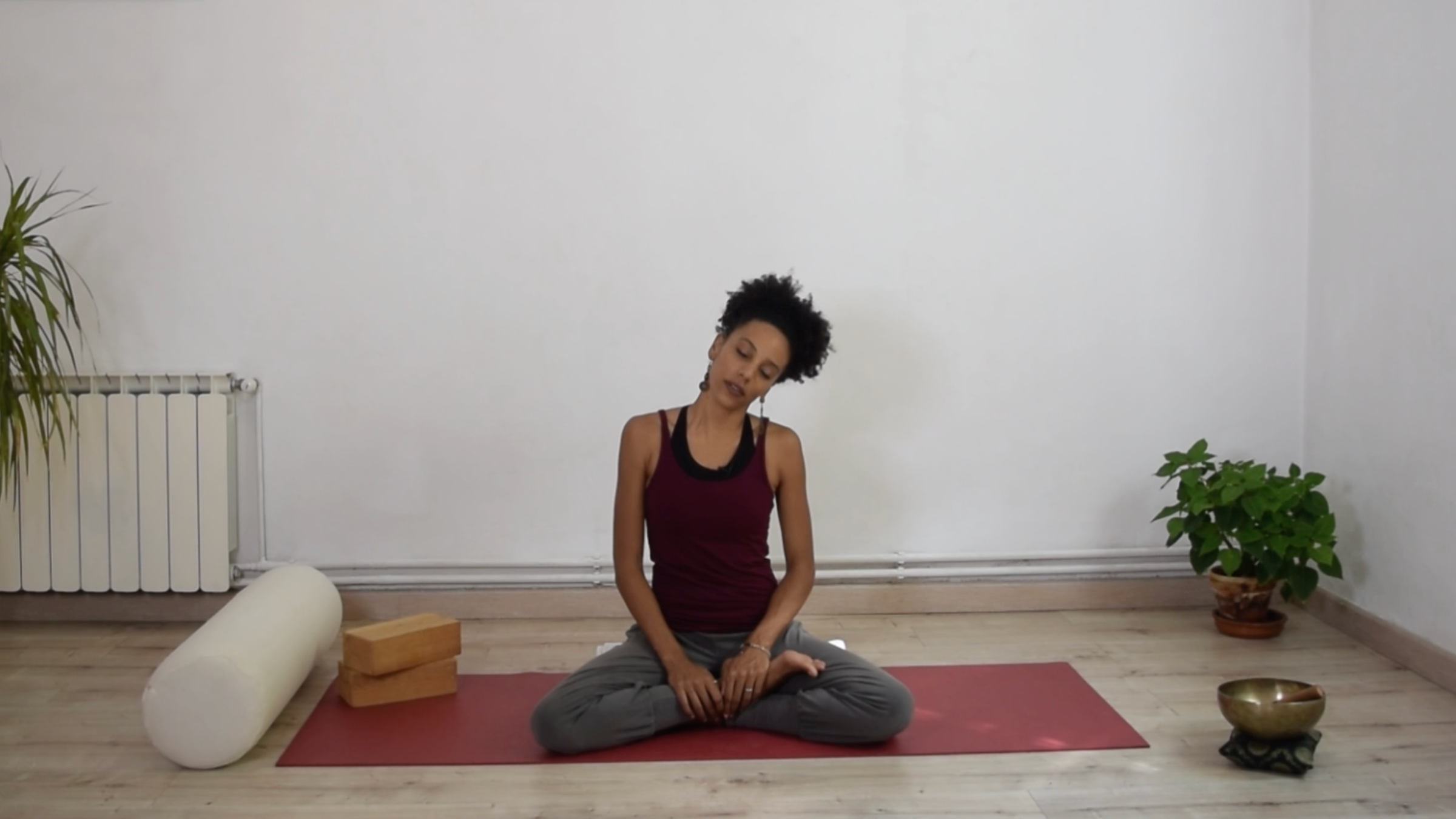
1. Cervical Release (Neck Stretches)
The neck and trapezius muscles are primary reservoirs for emotional and physical tension. Begin in Sukhasana (Easy Pose). By linking breath to movement—inhaling to lift the chin, exhaling to lower—you begin the process of internal sensory awareness. Tilting the head to the side and extending the opposite arm creates a lateral release that addresses the tightness accrued from sedentary screen work.
2. Synovial Fluid Mobilization (Wrist Stretches)
For the digital workforce, repetitive strain is a common reality. By sweeping the arms overhead while maintaining soft, circling wrists, you improve micro-circulation and lubricate the joints. This rhythmic movement serves as a "reset" for the hands, which are the primary tools of modern labor.
3. Lateral and Thoracic Expansion
The seated side stretch, combined with shoulder engagement, targets the intercostal muscles. By breathing into the side body while the arm is elevated, you mechanically assist the lungs in full expansion, directly countering the shallow breathing patterns associated with anxiety.
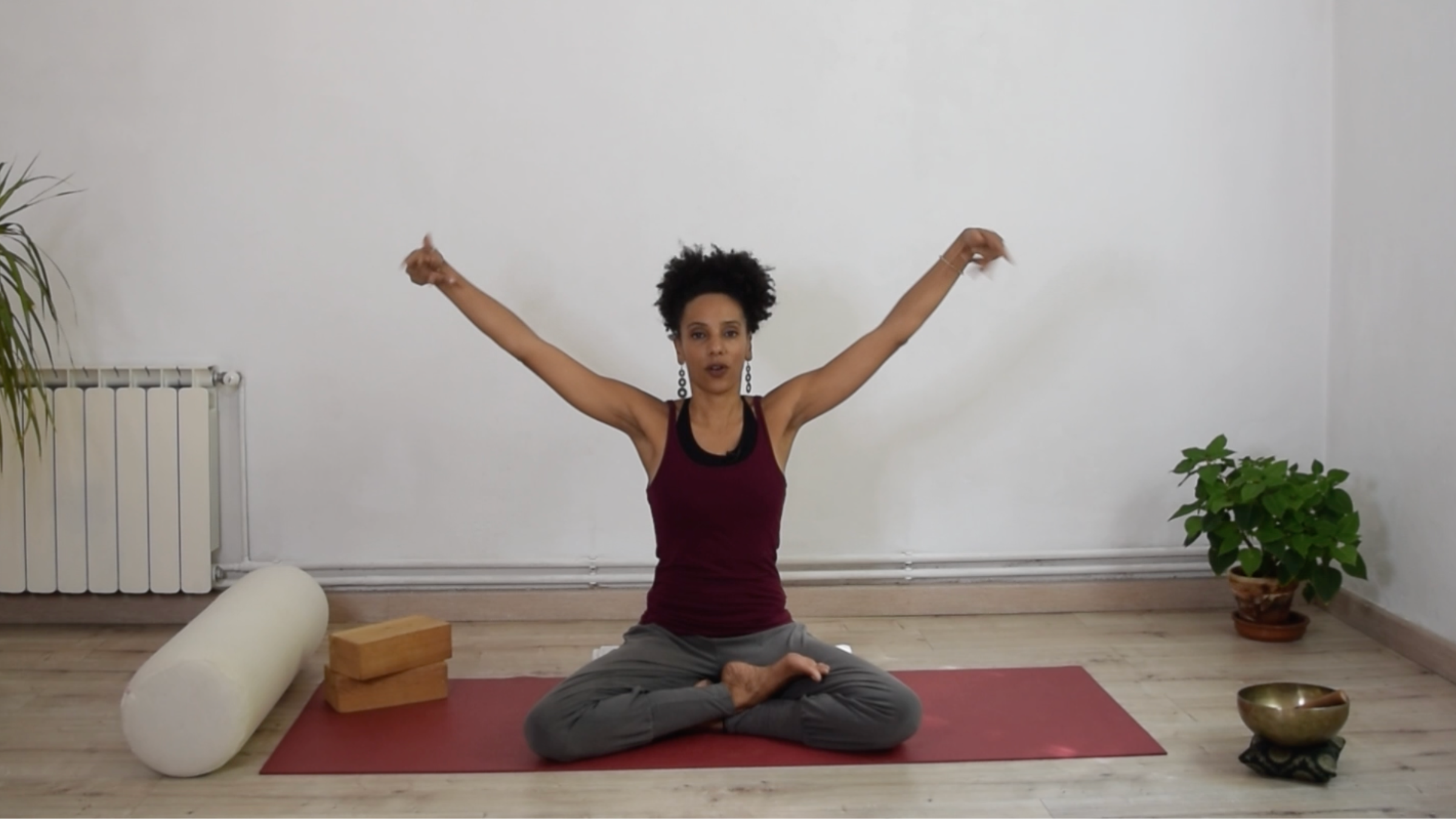
4. Chest Opening: The Antidote to "Tech-Neck"
Modern posture is characterized by kyphosis—a rounding of the upper back. By interlacing fingers behind the head and gently arching the spine, the chest stretch actively reverses this curvature. This posture encourages the heart center to open, signaling to the brain that the defensive posture of the workday can be dropped.
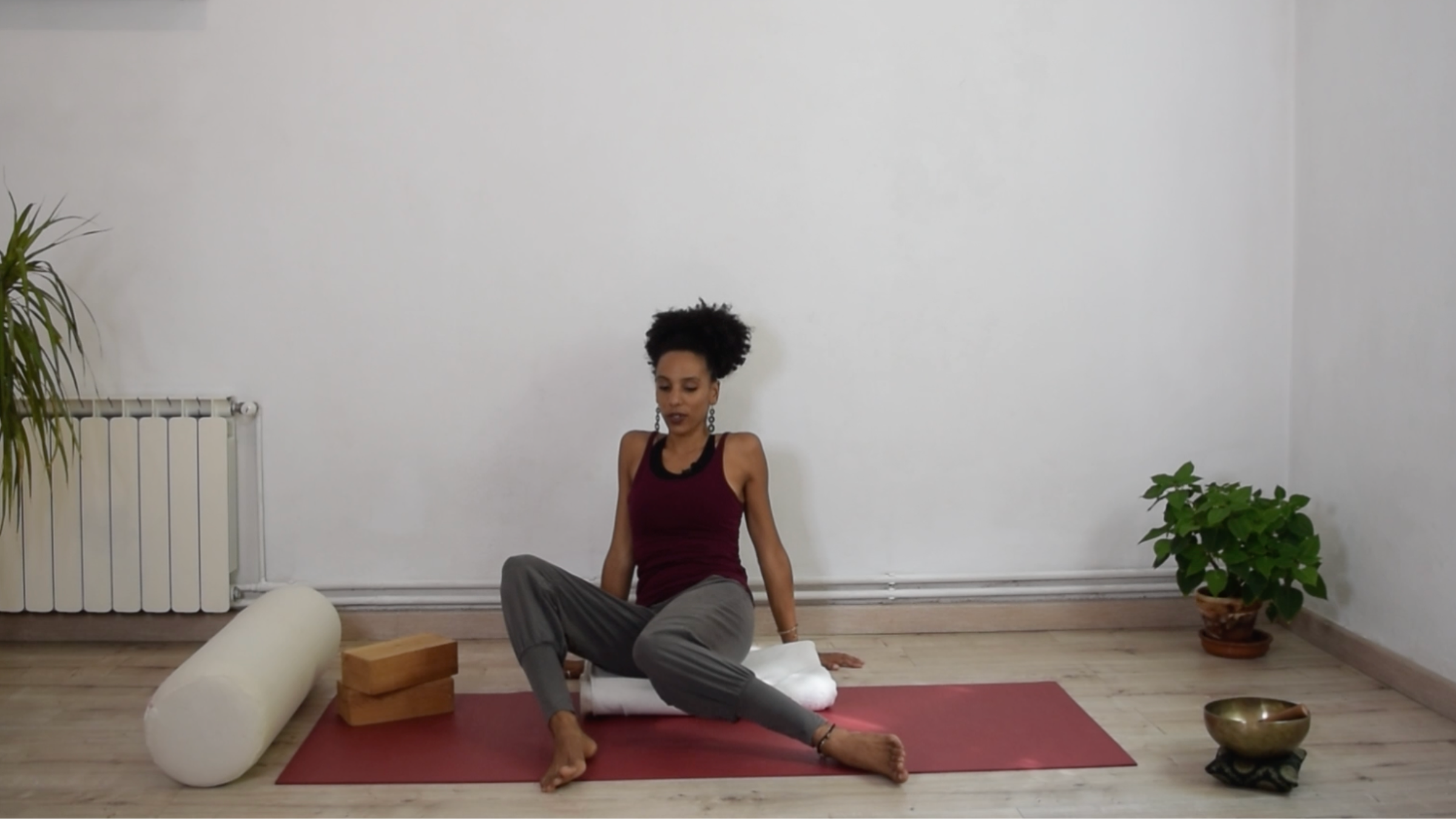
5. Hip and Pelvic Reset: Windshield Wipers
The hips are often described as the "junk drawer" of the body, where we store unprocessed tension. Seated windshield wipers allow for internal and external rotation of the femur, flushing out stagnant fluid in the hip joints and preparing the lumbar spine for deeper stillness.
6. The Half Butterfly Sequence
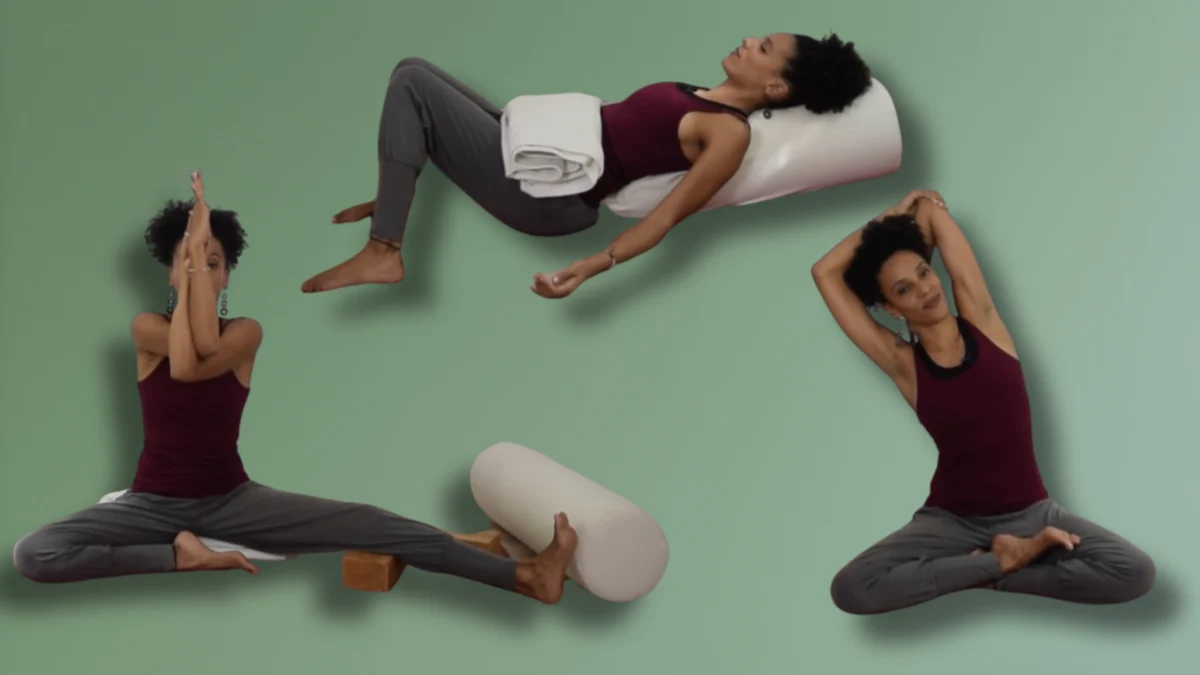
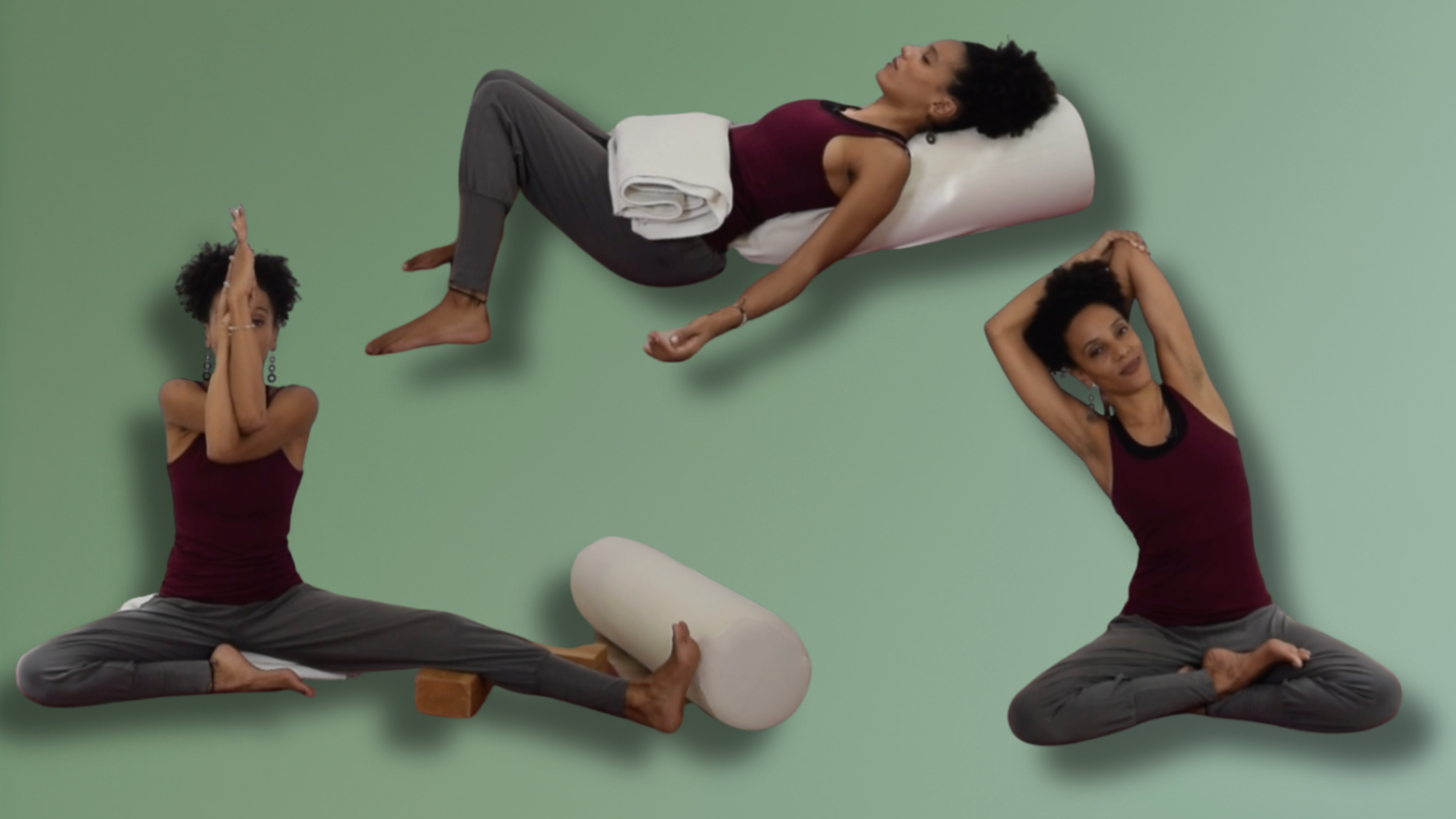
By extending one leg while drawing the other inward, the Half Butterfly focuses on the hamstrings and the lower back. The addition of a bolster—a supportive prop—is crucial here. It allows the practitioner to "yield" to gravity rather than fighting it, reinforcing the principle of sukha.
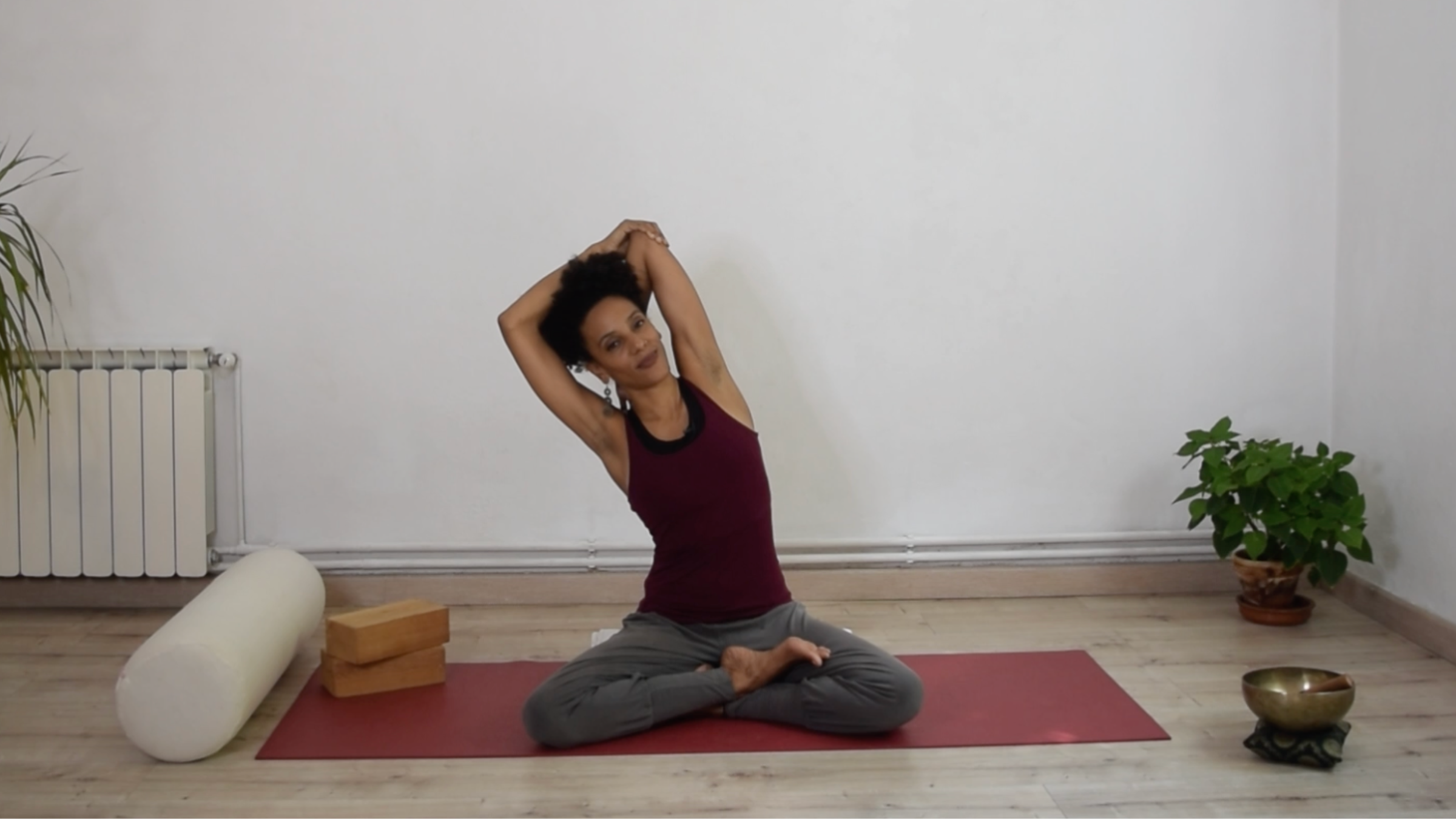
7. Eagle Arms: Scapular Release
Eagle arms isolate the space between the shoulder blades, a common site for "knotted" tension. By wrapping the arms, you compress the tissues and then release them, facilitating blood flow to the rhomboids and upper traps.
8. The Final Integration: Supported Rest
The culmination of the practice is the Supported Rest Pose. Lying back on a bolster allows the heart to remain higher than the hips, promoting healthy circulation while allowing the spine to assume its natural curvature. This is the stage where the nervous system "locks in" the benefits of the preceding 14 minutes.
Supporting Data: The Impact of Restorative Practice
Clinical studies on yoga and stress reduction consistently highlight a reduction in salivary cortisol levels following restorative sessions. Data suggests that even a 15-minute investment can:
- Lower Heart Rate Variability (HRV): High HRV is associated with resilience and a healthy heart.
- Reduce Perceived Stress Scales (PSS): Practitioners report a statistically significant decrease in daily perceived stress after just two weeks of consistent, short-form practice.
- Improve Sleep Onset Latency: By lowering the baseline of physical agitation, practitioners report falling asleep faster, a critical factor in long-term cognitive health.
Professional Perspectives on Lifestyle Integration
Dr. Elena Vance, a specialist in psychosomatic medicine, notes: "The mistake most people make is waiting for a two-week vacation to address their stress. The nervous system requires daily, bite-sized interventions. A 15-minute restorative flow is not a luxury; it is a form of preventative maintenance for the brain."
Experts emphasize that the efficacy of this practice lies in the consistency rather than the intensity. "When you practice letting go in a controlled environment like a yoga mat, you are training your brain to recognize the ‘off’ switch," says yoga therapist Marcus Thorne. "Over time, you can trigger that same relaxation response in the middle of a meeting or a stressful commute."
Implications for the Future of Wellness
As the line between professional and personal life continues to blur, the adoption of restorative practices is becoming a necessary survival skill. The implications for corporations and individuals alike are profound. Companies that encourage "micro-breaks" for physical reset see higher rates of retention and lower rates of burnout-related absenteeism.
For the individual, the implication is one of empowerment. By mastering the transition from effort to ease, one moves from being a victim of their environment to being a steward of their own nervous system.
Conclusion: Making It Your Own
The beauty of this 15-minute protocol is its adaptability. Whether you are using high-end yoga props or simple household blankets, the intention remains the same: to move out of the "doing" and into the "being." By prioritizing these 15 minutes, you are not just stretching your muscles—you are reclaiming your capacity for peace in an increasingly frantic world.
Remember, the goal is not to achieve the perfect pose, but to create the perfect space—a space where you can finally, truly, let go.