










By Kari McBride
The milestones of childhood are often framed in the language of grandiosity: the first word, the first day of school, the first steps. I remember my daughter’s first steps with the clarity of a high-definition photograph. After eighteen months defined by a grueling regimen of medical appointments, sterile hospital rooms, and the repetitive rigor of physical therapy, those tentative, rhythmic movements across the hallway floor felt like a miracle. Watching her small frame swagger and sway, I was flooded with an overwhelming surge of joy—a visceral, transformative moment I vowed to etch into my memory forever.
People often offer the platitude, "Savor this moment; it won’t happen again." As a younger parent, I felt I understood the gravity of that advice. Yet, as time has marched forward, the definition of "savoring" has undergone a profound evolution. My daughter is now a teenager, and our lives are no longer defined by the singular milestones of infancy, but by the ongoing, often invisible, marathon of living with chronic pain.
The Unlikely Catalyst: Bird-Watching as Mindfulness
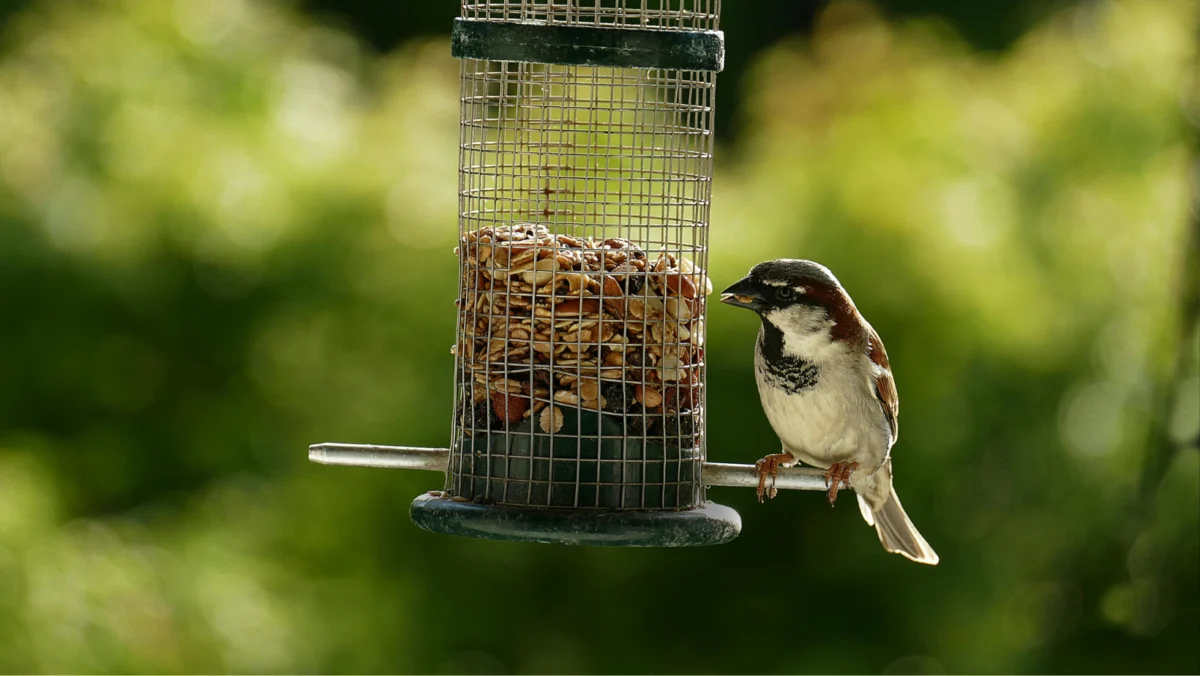
Recently, my daughter insisted that our home required a bird feeder to accommodate the local avian population. Following a period of lighthearted but persistent negotiation, I conceded. We installed feeders in both the front and back yards. Initially, I approached this addition with the weary cynicism of a parent overwhelmed by a mounting to-do list. I saw it as another task—a chore requiring maintenance, seed refills, and cleanup.
However, the reality proved to be the inverse. The feeders transformed into a portal for intentional stillness. Observing the erratic, rhythmic arrivals and departures of the neighborhood birds has become a form of secular meditation. A mourning dove descends to the grass; a mockingbird navigates the perimeter with calculated curiosity. Each species displays a distinct personality, a localized drama that unfolds entirely independent of my own struggles.
In those fleeting intervals, I find myself standing still. I am watching. I am breathing. I am noticing. In these pockets of time, the chronic pain and systemic uncertainty that act as the scaffolding of my daily existence begin to loosen their grip. While the birds inevitably take flight and the gravity of reality eventually pulls me back, these brief reprieves offer a sanctuary—a tangible something to hold onto when the world feels unmanageable.
Chronology of a Shifting Perspective
To understand the weight of these small moments, one must look at the trajectory of chronic illness within a family unit.
- The Diagnostic Years: The early period was defined by acute crisis. The focus was entirely on recovery and "fixing" the problem. There was little room for savoring anything, as every ounce of energy was directed toward clinical outcomes and physical survival.
- The Adaptation Phase: As the reality of chronic, lifelong pain settled in, the "marathon" began. The focus shifted from curing to managing. This was a period of mourning the loss of the life we expected and learning to navigate a landscape of medical appointments and varying levels of physical capability.
- The Integration of Mindfulness: Currently, we are in a phase of integration. We have moved past the need for grand, cinematic milestones and have instead begun to value the "micro-milestone." The act of feeding the birds is not a cure for chronic pain; it is a strategic intervention in the management of its psychological toll.
Supporting Data: The Science of "Micro-Restoratives"
The anecdotal experience of finding peace in nature—often categorized as "nature-based interventions"—is increasingly supported by clinical research. According to studies published in journals such as Health & Place, brief exposure to natural environments, even from a residential window, can lead to significant reductions in cortisol levels and perceived stress.
For individuals living with chronic pain, the nervous system is often stuck in a state of high alert, or "hypervigilance." Chronic pain is not merely a physical sensation; it is a cognitive and emotional drain. When a patient focuses on the movement of a bird or the texture of a leaf, they engage in a process known as "soft fascination." Unlike the intense concentration required for work or problem-solving, soft fascination allows the brain to rest while remaining engaged. This state is essential for nervous system regulation, providing a vital, if temporary, break from the constant signal of pain.
Clinical and Psychological Perspectives
Medical professionals who specialize in pain management increasingly emphasize the importance of "pacing" and "pleasant activity scheduling." Dr. Elena Rossi, a specialist in pain rehabilitation, notes: "When pain becomes the primary narrative of a patient’s life, the brain begins to prune away the ability to notice anything else. Re-training the brain to scan for small, non-painful stimuli—like the colors of birds or the rhythm of the wind—is not just a hobby; it is a neuro-biological intervention."
The implications of this are significant. By intentionally placing our attention on something external and neutral, we provide the brain with a "sensory palate cleanser." This does not erase the pain, but it changes the relationship the sufferer has with that pain. It shifts the internal monologue from "I am in pain" to "I am in pain, but I am also witnessing this bird."
The Implications of "Small Savoring"
The challenge for those living with chronic pain is the persistent pressure to "overcome" or "push through." Society often rewards the grand achievement—the person who climbs a mountain despite their diagnosis, or the individual who works a full-time job while managing symptoms. While these achievements are valid, they can create an unhealthy expectation that only big wins matter.
My journey toward understanding "savoring" has been a process of lowering the threshold for joy. If we only wait for the "first steps"—the monumental, life-altering victories—we will spend most of our lives in a state of waiting. By contrast, learning to savor the mundane requires:
- Intentional Presence: Choosing to look away from the internal monitor of pain and toward an external focal point.
- Validation of Smallness: Accepting that a moment does not need to be transformative to be meaningful.
- The Recognition of Transient Beauty: Understanding that the fleeting nature of the birds—their tendency to fly away—is what makes the observation precious, not a flaw to be corrected.
Conclusion: Redefining Success
My life, and the life of my daughter, is now shaped by the architecture of chronic pain. We do not have the luxury of ignoring the limitations placed upon us by our biology. However, we have found that we are not entirely at the mercy of those limitations.
I am learning that there is a profound difference between "surviving" and "noticing." The birds at our feeders are not an escape from reality; they are a recalibration of it. I have realized that I was looking for the wrong kind of "firsts." There is only one time a child takes their first steps, but there are thousands of times that a bird might land on a branch, or a breeze might shift the leaves, or the sun might catch a window pane.
Maybe this is what it truly means to savor a moment: to stop demanding that life be a series of grand, lasting milestones, and to start appreciating the quiet, fleeting pulses of beauty that exist within the pain. We are learning to exist in the spaces between the aches, finding that even in a life defined by physical struggle, there is still ample room for wonder. As I stand by the window, watching the feeder, I am not trying to fix the pain. I am simply trying to be present, one bird at a time. This, I have found, is enough.