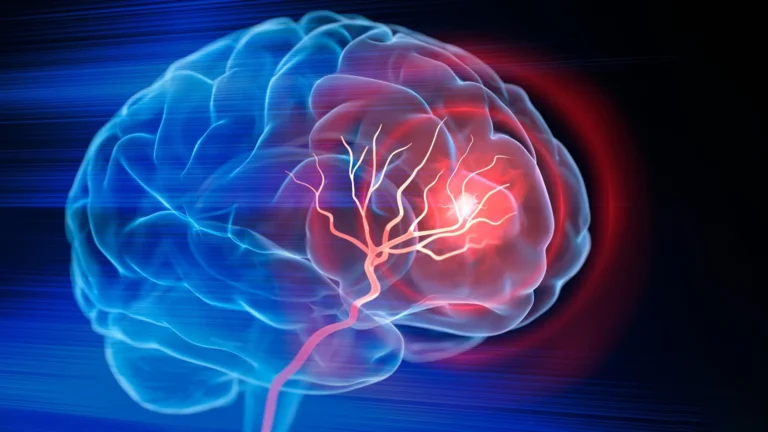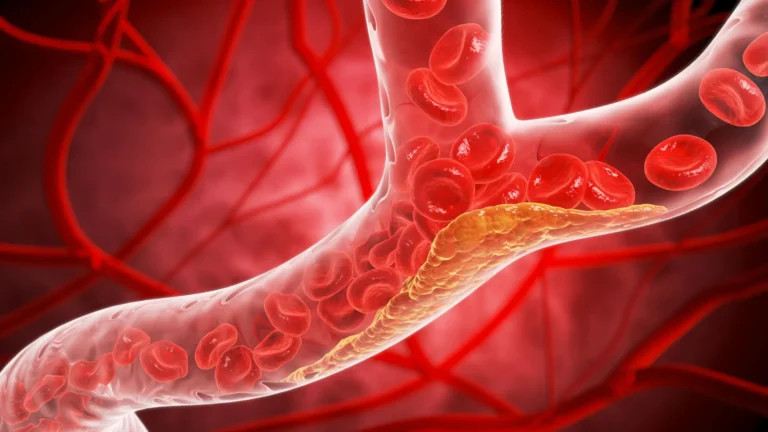
In the ongoing battle against cardiovascular disease—the leading cause of mortality globally—scientists at UT Southwestern Medical Center have unveiled a discovery that could fundamentally shift how medical professionals approach cholesterol regulation. By identifying a protein that serves as a "master switch" for the liver’s production of cholesterol-carrying particles, researchers have opened a new frontier in the treatment of heart disease and metabolic disorders.
The study, published in the high-impact journal Circulation, centers on a protein known as HELZ2. This protein, researchers discovered, acts as a sophisticated gatekeeper, controlling the lifespan of the genetic instructions that tell the liver to produce lipoproteins. This revelation moves the goalposts of cholesterol management from post-production mitigation to pre-production intervention.
The Science of the "Message"
To understand the magnitude of this discovery, one must look at the biological process of lipoprotein formation. Lipoproteins—the particles that ferry cholesterol and triglycerides through our blood—rely on a protein known as apolipoprotein B (apoB). The production of apoB is governed by the APOB gene, which sends instructions via messenger RNA (mRNA) to the cell’s protein-making machinery.
Previously, the medical and pharmaceutical communities have largely focused on the "after-the-fact" approach. Statins, for instance, inhibit the HMG-CoA reductase enzyme to reduce the liver’s synthesis of cholesterol. Other therapies target the LDL receptors on the surface of cells to clear cholesterol from the blood once it is already circulating.
The UT Southwestern team, led by senior author Zhao Zhang, Ph.D., an Assistant Professor in the Center for the Genetics of Host Defense and Internal Medicine, found that HELZ2 operates much earlier in the timeline.
"Most previous research focused on what happens to apoB after it’s already made," explained Dr. Yiao Jiang, a postdoctoral researcher in the Zhang Lab and a co-author of the study. "What surprised us is that HELZ2 acts much earlier, by controlling how long the apoB ‘message’ survives before the protein is even produced."
By shortening the lifespan of APOB mRNA, HELZ2 effectively degrades the blueprints for cholesterol-carrying particles before the liver can assemble them. When HELZ2 activity is increased, the APOB message is destroyed, leading to a significant reduction in the volume of harmful lipids released into the bloodstream.
The Chronology of Discovery: From Genetic Screening to Molecular Insight
The path to this discovery was neither linear nor traditional. It began with the implementation of a large-scale genetic screening system—a robust platform developed by Nobel Laureate Bruce Beutler, M.D., the Director of the Center for the Genetics of Host Defense and a Professor of Immunology and Internal Medicine at UT Southwestern.
The researchers were initially investigating a peculiar phenomenon: mice exhibiting unusual fat accumulation in their livers. By utilizing Dr. Beutler’s high-throughput genetic screening, the team was able to pinpoint a specific "gain-of-function" mutation.
- Phase 1: Identification of the Mutation. Scientists identified a genetic variant that caused an over-expression of the HELZ2 protein.
- Phase 2: Observation of Metabolic Consequences. Researchers observed that the mice with this mutation had significantly lower levels of LDL cholesterol and triglycerides in their blood.
- Phase 3: Uncovering the Mechanism. Through rigorous biochemical analysis, the team determined that the increased HELZ2 activity was directly responsible for the rapid degradation of APOB mRNA.
- Phase 4: Validation. The researchers compared these findings against a control group of mice without the mutation, confirming that the absence of HELZ2 activity led to higher levels of circulating cholesterol but lower fat storage in the liver.
This step-by-step validation proved that HELZ2 acts as a biological thermostat, modulating the flow of lipids between the liver and the vascular system.
The "Double-Edged Sword": Balancing Blood and Liver Health
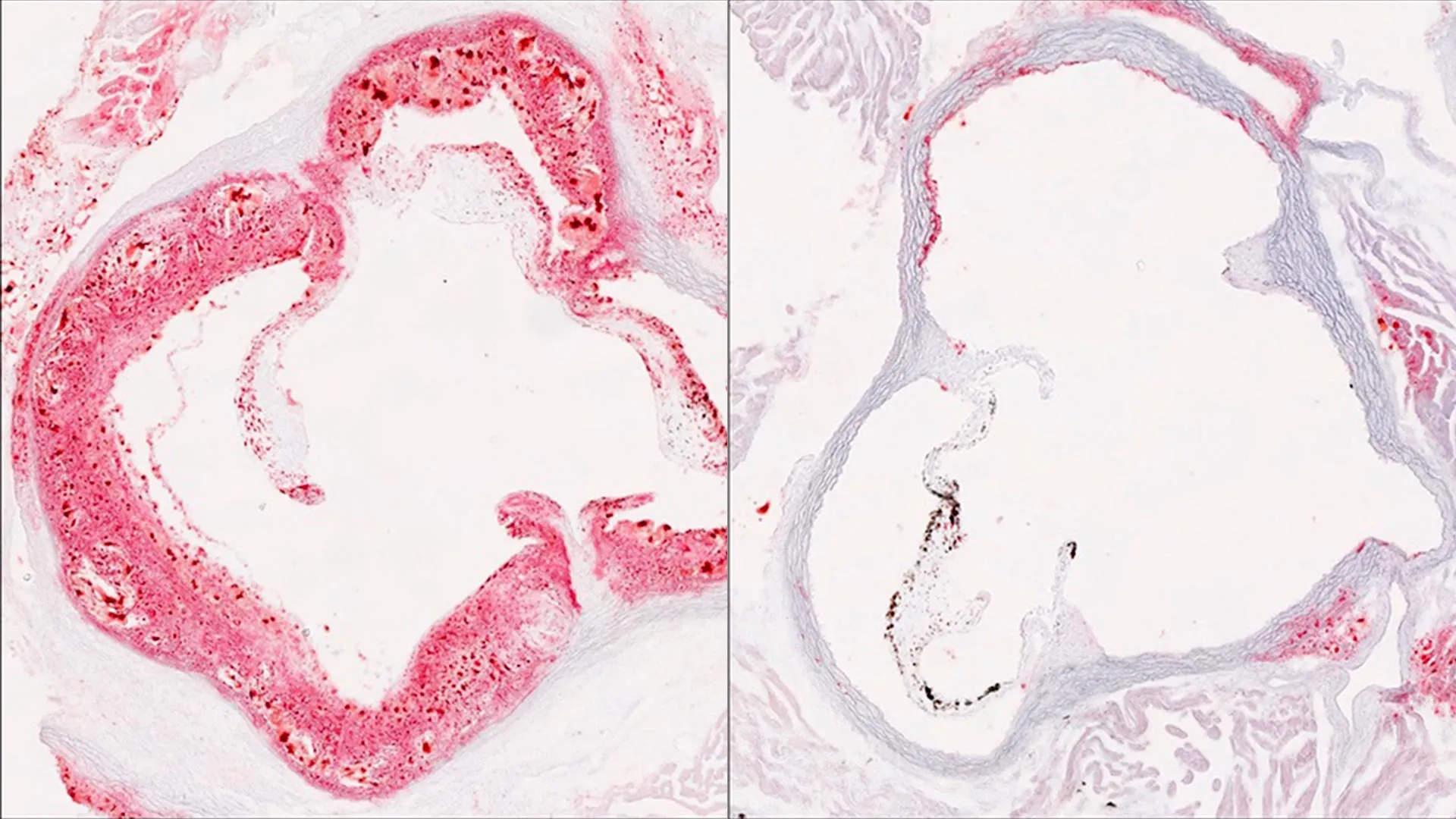
The discovery of HELZ2 presents a complex metabolic trade-off. In the study, mice with the HELZ2 mutation were markedly protected against atherosclerosis—the accumulation of plaque in the arteries that triggers heart attacks and strokes. By limiting the number of lipoproteins in circulation, the researchers effectively "starved" the plaques of the raw materials they need to grow.
However, the study also revealed a significant physiological consequence: the fat that was not being shipped out of the liver remained trapped inside. This resulted in increased hepatic fat accumulation.
This creates a delicate balancing act. "We can think of HELZ2 as a kind of dial between the liver and the bloodstream," Dr. Zhang said. "Turning it up lowers cholesterol in the blood but increases liver fat. Turning it down does the reverse. That balance makes HELZ2 especially interesting as a potential therapeutic target."
The existence of this "dial" is highly significant for clinical medicine. It suggests that if scientists can modulate HELZ2 activity with precision, they may be able to treat patients with high cholesterol without inducing fatty liver disease, or conversely, potentially manage liver-related metabolic issues by influencing lipid output.
Implications for Future Medicine
The implications for cardiovascular health are profound. Current treatments like statins have revolutionized heart disease management, yet many patients experience side effects or do not reach their target cholesterol levels, necessitating the use of additional, often expensive, injectable medications.
A New Class of Therapeutics
The HELZ2 discovery points toward a novel class of RNA-targeting therapies. Because HELZ2 influences the process at the genetic instruction stage (mRNA) rather than the protein level, it provides a "molecular lever" that could potentially be pulled with higher efficacy than traditional chemical inhibitors.
Addressing Fatty Liver Disease
With the global rise in non-alcoholic fatty liver disease (NAFLD) and its association with metabolic syndrome, the ability to control lipid trafficking via HELZ2 could be a game-changer. By fine-tuning this protein, future therapies could potentially "flush" excess fat from the liver or prevent its accumulation, offering a dual-pronged approach to both cardiovascular and hepatic health.
Expert Perspectives and Institutional Support
The research is a hallmark of the collaborative, high-risk, high-reward environment at UT Southwestern. Dr. Bruce Beutler, whose genetic screening platform made this discovery possible, is a towering figure in immunology. His involvement underscores the sophisticated nature of the study, which bridges the gap between basic genetic research and translational medicine.
"The idea that we can control apoB at the RNA level represents a major shift in how we think about cholesterol regulation," Dr. Zhang stated. "It gives us a new molecular lever—and potentially a new set of tools—for tackling these conditions."
The study was supported by critical funding from the National Institute of Diabetes and Digestive and Kidney Diseases (NIDDK) of the National Institutes of Health, specifically under grants R00DK115766 and R01DK130959. This funding highlights the NIH’s recognition of the urgent need for new targets in the fight against metabolic and cardiovascular diseases.
Conclusion: Looking Ahead
While clinical applications are still in the future, the identification of HELZ2 provides a robust roadmap for drug developers. The next steps for the research team involve determining how to safely modulate HELZ2 in humans without causing detrimental hepatic side effects.
If researchers can master this "genetic dial," they may be able to offer a new generation of precision medicine that treats the source of cholesterol production rather than just the symptoms. For millions of people struggling with high cholesterol and the shadow of cardiovascular disease, the work being done at UT Southwestern offers a compelling, science-driven promise of a healthier future.
As the medical community digests these findings, one thing is clear: the era of managing cholesterol purely through enzyme inhibition may soon be joined by a new, more refined era of RNA-level regulation, guided by the discovery of HELZ2.