









In early November 2026, the skies over Florida’s Pinellas and Hillsborough counties were dominated by the rhythmic hum of low-flying helicopters. Far from a routine patrol, these aircraft were engaged in a critical mission: blanketing the landscape in a fine, specialized mist. This aggressive aerial operation—targeting mosquito larvae with Bacillus thuringiensis israelensis (Bti), a naturally occurring soil bacteria—represents the frontline of a desperate effort to contain the largest dengue fever outbreak the state has seen in over 15 years.
As of late 2026, Florida is grappling with a surge in locally acquired dengue cases that has health experts sounding the alarm. With 524 cases contracted within state lines reported by Oct. 31, the outbreak has surpassed previous records, signaling a shifting public health landscape in the American South.
The Anatomy of the Outbreak: Main Facts and Context
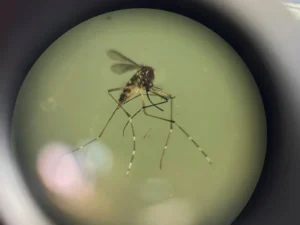
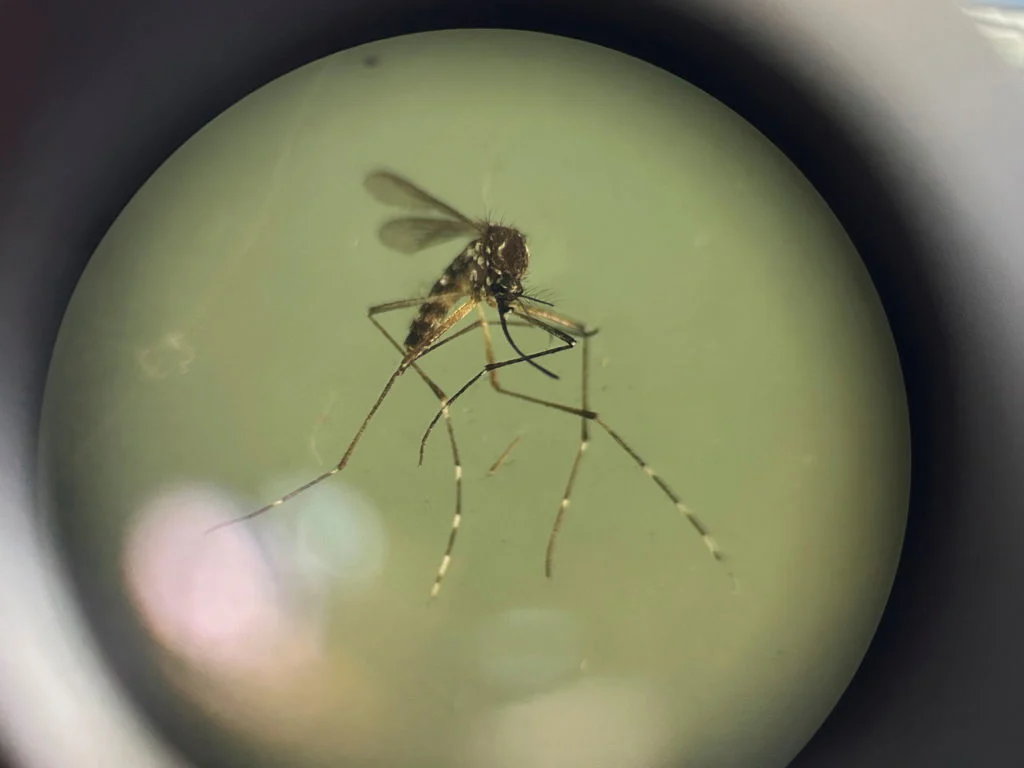
Dengue fever, often colloquially known as "breakbone fever" due to the excruciating joint and muscle pain it induces, is primarily transmitted through the bite of infected Aedes aegypti and Aedes albopictus mosquitoes. While the disease is a familiar threat in tropical regions of the world, its growing footprint in the continental United States—specifically Florida—has transformed it from a travel-related curiosity into a domestic health emergency.
The state’s current struggle is defined by a dichotomy of transmission. While Florida health officials recorded 382 international travel-associated cases as of Oct. 31, the 524 locally acquired cases represent a significant deviation from historical norms. In the past 16 years, the state had only logged 606 total locally acquired cases. To see 524 in a single year marks an unprecedented acceleration of the virus within Florida’s borders.
A Chronology of Escalation
Florida’s history with dengue is characterized by long periods of dormancy followed by sudden, aggressive resurgences. For nearly eight decades, the state remained largely free of locally acquired dengue. That changed in 2010, when 58 cases were identified, shattering the long-standing reprieve.
Following the 2010 outbreak, the virus appeared sporadically, but the numbers remained manageable. The year 2023 served as a warning, with 189 cases reported—at the time, the largest outbreak in recent history. However, the 2026 season has eclipsed that figure by nearly threefold.
The trajectory of the current outbreak suggests that the environmental and biological conditions necessary for transmission have aligned in a "perfect storm." Public health experts point to a combination of excessive, late-season rainfall and the biological efficiency of the Aedes mosquito as the primary drivers of this rapid escalation.
Supporting Data: The Biological and Environmental Drivers
The science behind the outbreak is rooted in the life cycle of the Aedes mosquito. When a mosquito bites an individual carrying the virus, the insect becomes a vector. Because these mosquitoes are highly adapted to human environments—breeding in small pockets of standing water found in tires, bird baths, and plant saucers—they can thrive in suburban neighborhoods.
Kristi Miley, a public health professor at the University of Florida, emphasizes that the danger is amplified by the insect’s reproductive success. An infected female mosquito can pass the virus to her offspring, potentially resulting in more than 500 infected larvae in a single brood. When this biological multiplier is combined with the high humidity and heavy rainfall seen in late 2026, the mosquito population explodes, and the window for transmission widens.
Furthermore, the complexity of the virus itself plays a role. There are four distinct serotypes of dengue. While infection with one provides immunity to that specific strain, it does not protect against the others. In fact, research indicates that a secondary infection with a different serotype can trigger a more severe, sometimes life-threatening reaction. The strain currently circulating in Florida has been noted by health officials for its potential to cause more severe clinical manifestations than previous strains.
The Clinical Reality: Understanding the Virus
For the average citizen, understanding the symptoms of dengue is the first line of defense. The incubation period typically lasts four to 10 days after an infected bite. While 75% of those infected remain asymptomatic, those who do fall ill face a grueling recovery.
Symptoms of Mild Dengue
- High fever
- Severe headache
- Pain behind the eyes
- Joint, muscle, and bone pain
- Nausea and vomiting
- Skin rash
The Warning Signs of Severe Dengue
Roughly 1 in 20 patients will progress to "severe dengue," a medical emergency formerly known as dengue hemorrhagic fever. Warning signs that demand immediate hospitalization include:
- Persistent, severe abdominal pain
- Repeated vomiting (three or more times in 24 hours)
- Bleeding from the gums or nose
- Blood in stool or vomit
- Rapid, labored breathing
- Extreme lethargy or restlessness
There is no specific antiviral treatment for dengue. Management focuses on supportive care: hydration, rest, and the use of acetaminophen to manage fever. Crucially, patients are advised to avoid aspirin and ibuprofen, which can exacerbate the risk of internal bleeding—a signature danger of the severe form of the disease.
Official Responses and Public Health Strategy
The Florida Department of Health (FDOH) has moved beyond standard surveillance, implementing the aforementioned aerial larvicide treatments to break the reproductive cycle of the mosquito. Isabella White, a spokesperson for the FDOH, noted that studies are ongoing to determine the exact factors behind the 2026 surge, but the immediate goal remains "source reduction."
Local health departments are urging residents to take a "drain and cover" approach. This includes:
- Draining Standing Water: Discarding old tires, cleaning bird baths, and ensuring gutters are clear.
- Protection: Using EPA-registered repellents containing DEET or picaridin.
- Physical Barriers: Wearing long-sleeved shirts, pants, and socks, especially during daylight hours when Aedes mosquitoes are most active.
Furthermore, officials emphasize the importance of patient isolation. If a person suspects they have dengue, they must protect themselves from further mosquito bites for at least seven days. If a mosquito bites an infected person during their symptomatic period, the insect can transmit the virus to the next victim, effectively sustaining the local chain of infection.
Broader Implications: A Changing Landscape
The 2026 Florida outbreak is not an isolated event; it is part of a broader, national trend. In 2025, the Centers for Disease Control and Prevention (CDC) reported locally acquired dengue in California and Arizona, and in August 2026, Virginia health officials identified a locally acquired case.
These cases suggest that as global temperatures rise and trade and travel patterns continue to facilitate the movement of both people and disease vectors, the geographic range of dengue is expanding. States that were previously considered "too cool" for the Aedes mosquito are finding that their climate, combined with urban heat islands, can support populations of the insect year-round.
The implications for the U.S. healthcare system are significant. With no widely available, universally effective vaccine, the reliance on mosquito control and public education is absolute. The "dengue problem" is forcing a re-evaluation of public health infrastructure, moving from a model of reactive treatment to one of proactive environmental management.
Conclusion: The Path Forward
The situation in Florida serves as a stark reminder that public health threats are often global in origin but local in impact. As the state moves toward the end of the year, the fight against dengue continues. Whether through the persistent drone of mosquito-control helicopters or the individual vigilance of homeowners emptying buckets of standing water, the effort to contain the virus is a collective responsibility.
For now, the 2026 outbreak remains a "doozy," as experts describe it—a complex, evolving challenge that underscores the fragility of our defenses against mosquito-borne pathogens. By staying informed, recognizing the symptoms early, and diligently eliminating breeding grounds, Floridians are playing a vital role in curbing the spread of a disease that, while ancient, is proving to be a defining challenge for the modern era.