As the global health community braces for the annual onslaught of respiratory viruses, pharmaceutical giant GSK is signaling a major shift in how we combat seasonal influenza. The company has officially announced its transition into Phase 3 clinical trials for an experimental messenger RNA (mRNA) vaccine, a move fueled by compelling Phase 2 data that suggests a more robust, dual-action approach to immunization.
This development places GSK in direct competition with the rapidly evolving landscape of mRNA therapeutics, building on the technological breakthroughs that defined the COVID-19 pandemic response. With the recent regulatory approval of Moderna’s mFLUSIVA, the race to refine and improve upon traditional vaccine efficacy is officially underway.
The Core Innovation: Moving Beyond Hemagglutinin
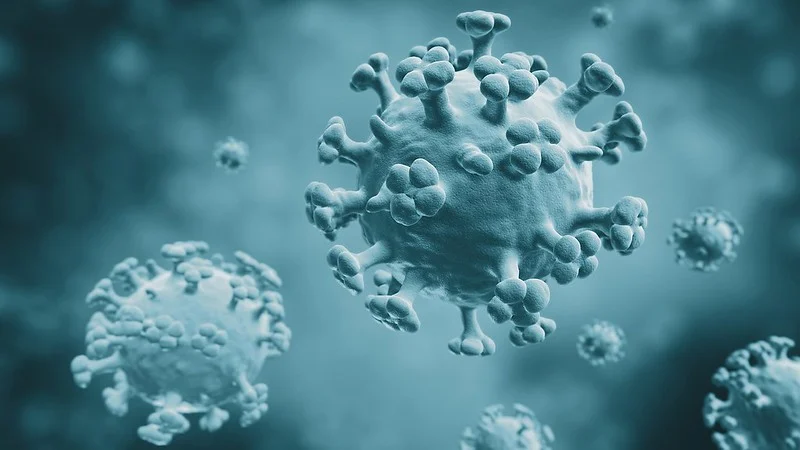
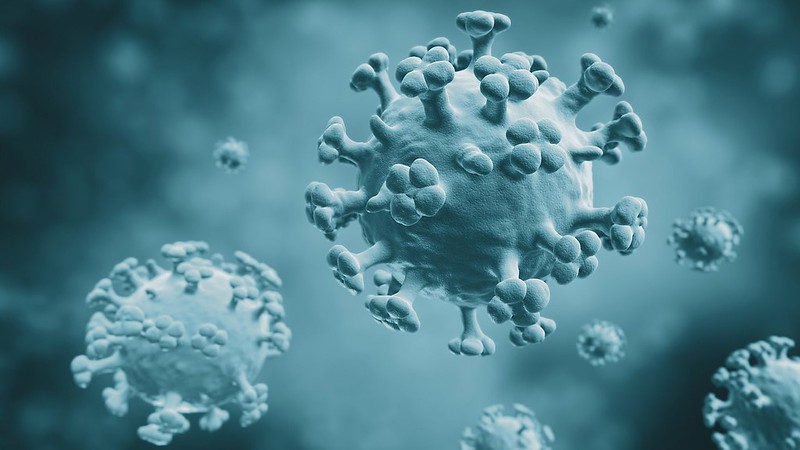
For decades, the standard approach to flu vaccination has been to target the hemagglutinin (HA) protein. HA is a surface protein that acts as a key, allowing the influenza virus to attach to and enter host cells. By training the immune system to recognize HA, traditional vaccines prevent the virus from gaining a foothold.
However, GSK is betting that targeting HA alone is insufficient. Their new mRNA vaccine candidate is "multivalent," meaning it is engineered to encode instructions for both the HA protein and a second protein called neuraminidase (NA).
Neuraminidase plays a critical role in the virus’s life cycle; it facilitates the release of newly formed viral particles from infected cells, effectively helping the virus spread through the body and to other individuals. By inducing an immune response against both HA and NA, GSK aims to not only prevent initial infection but also to dampen the severity of illness and reduce the overall transmission rate of the virus. Furthermore, the vaccine addresses historical challenges in prompting a strong immune response against the HA protein found in the influenza B strain, a persistent hurdle for previous generations of flu shots.
Chronology of Development
The path to this Phase 3 trial has been characterized by strategic acquisitions and rapid clinical iteration:
- Mid-2024: GSK completes a strategic transaction with CureVac, acquiring their portfolio of mRNA infectious disease vaccine candidates for an upfront payment of €400 million (approximately $431.4 million). This move allowed CureVac to divest from infectious diseases and pivot entirely toward oncology.
- Late 2024 – Early 2025: GSK refines the mRNA candidates acquired from CureVac, focusing on optimizing the B-strain HA sequences.
- June 2025: The landscape shifts as BioNTech completes its $1.25 billion acquisition of CureVac, consolidating mRNA patent portfolios and intensifying competition in the biotech sector.
- August 2026: The FDA grants approval for Moderna’s mFLUSIVA, the first mRNA-based seasonal flu vaccine to reach the market, setting a new benchmark for speed and efficacy in the space.
- Present Day: GSK presents positive Phase 2 clinical data at the OPTIONS XIII Conference for the Control of Influenza in Washington, D.C., and announces the imminent launch of its pivotal Phase 3 trial.
Supporting Data: Analyzing the Phase 2 Results
The foundation for the upcoming Phase 3 study lies in a robust Phase 2 trial involving 971 participants, encompassing both younger and older adult populations. The study pitted two distinct vaccine variations against one another to determine the most effective formulation.
The candidates—FLUm3HA.b-3NA (containing an optimized B-strain HA) and FLUm3HA-3NA (containing a non-optimized B/HA)—were evaluated for their ability to elicit immune responses. According to data released by GSK, both vaccines demonstrated a superior ability to prompt broad immune responses against influenza A and B strains compared to currently available standard-of-care vaccines.
The safety and side-effect profile of the candidates were deemed "acceptable" by researchers, aligning with the expected reactogenicity associated with mRNA platforms. Following this analysis, GSK selected the optimized FLUm3HA.b-3NA candidate for the Phase 3 trial, citing its superior performance in generating targeted B-strain antibodies.
Official Responses and Strategic Vision
Sanjay Gurunathan, Head of Vaccines and Infectious Diseases Research and Development at GSK, emphasized the necessity of this innovation during his address at the OPTIONS XIII Conference.
"These promising data support the potential to better protect people from flu with a vaccine designed to target both HA and NA," Gurunathan stated. He highlighted the staggering global burden of the virus, noting that the world sees approximately one billion flu cases annually, resulting in between 290,000 and 650,000 respiratory deaths each year. "There is a clear and urgent need for next-generation vaccine approaches that go beyond the capabilities of current formulations."
GSK’s strategy appears to be a calculated play to capture market share by offering a product that provides broader, more comprehensive coverage than current single-target vaccines.
Implications for the Healthcare Landscape
1. The mRNA Paradigm Shift
The transition to mRNA technology for seasonal flu is perhaps the most significant shift in vaccinology since the development of recombinant protein vaccines. mRNA allows for faster manufacturing and the ability to update vaccine sequences in response to emerging viral variants more rapidly than egg-based production methods.
2. Market Competition and Differentiation
With Moderna’s mFLUSIVA already established in the market, GSK is entering a competitive arena. However, the differentiation is clear: Moderna’s current mRNA vaccine targets only the HA protein, following the traditional design philosophy. By targeting both HA and NA, GSK is attempting to create a "best-in-class" product. If the Phase 3 trial confirms that this dual-target approach significantly reduces illness severity and transmission, GSK could set a new standard for flu protection.
3. Impact on Public Health and Policy
If successful, the GSK vaccine could fundamentally alter public health strategies for influenza. Currently, the variable effectiveness of flu shots—often ranging from 40% to 60%—is a major point of public skepticism. A more potent, dual-action vaccine could potentially stabilize efficacy rates across different seasons and demographics, particularly among the elderly, who are most vulnerable to severe complications.
4. The Legacy of the CureVac Deal
The acquisition of the CureVac infectious disease assets is proving to be a highly lucrative pivot for GSK. While the initial investment was significant, the ability to rapidly advance these candidates into late-stage trials suggests that the intellectual property acquired has provided a substantial shortcut in the R&D pipeline. This reinforces the current industry trend of large pharmaceutical firms utilizing M&A to secure foundational mRNA technology.
Looking Ahead: What to Expect from Phase 3
The upcoming Phase 3 trial, scheduled to begin later this month, will be the ultimate proving ground for the dual-target hypothesis. Researchers will be monitoring for:
- Clinical Efficacy: Does the dual-target design lead to a statistically significant decrease in symptomatic flu cases compared to the placebo and current standard-of-care groups?
- Durability: How long does the immune response last throughout the peak of the flu season?
- Safety at Scale: As the trial moves into thousands of participants, researchers will closely watch for any rare adverse events that were not captured in the smaller Phase 2 study.
As winter approaches, the eyes of the infectious disease community will remain fixed on the progress of this trial. If GSK succeeds, the "flu shot" of the future may look very different from the one we have known for the past several decades—offering not just a barrier against infection, but a comprehensive defense against the virus’s ability to propagate and harm.