








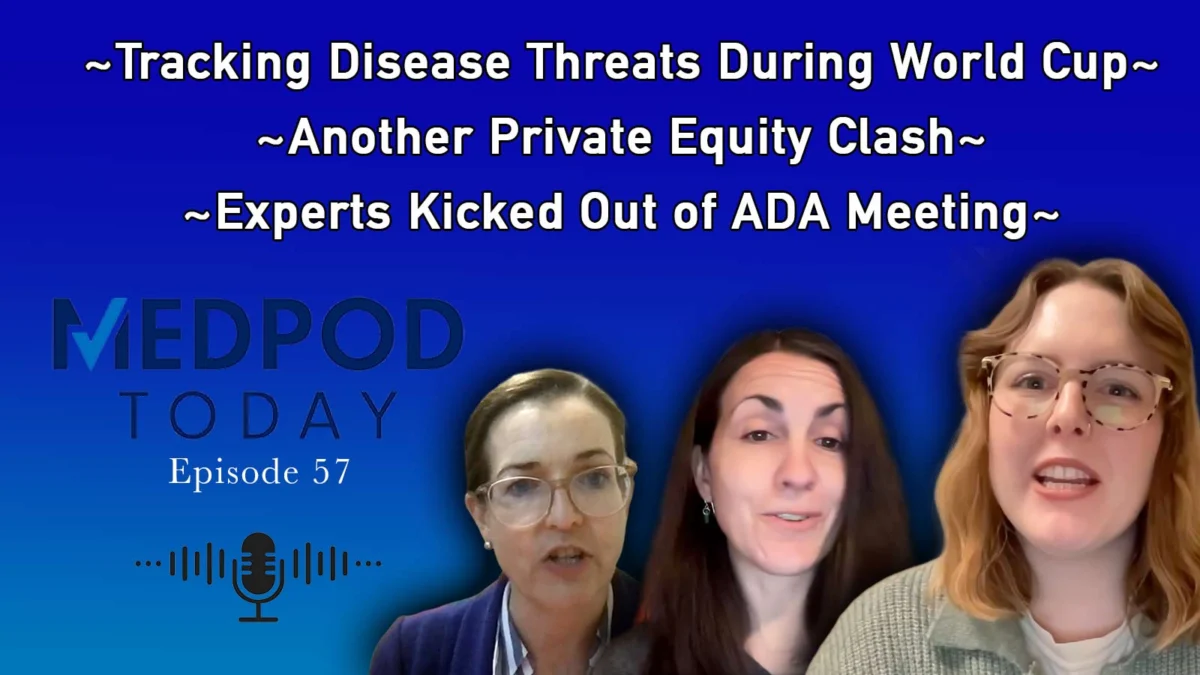
The intersection of public health, corporate healthcare management, and scientific advocacy has reached a boiling point in recent weeks. As North America hosts the FIFA World Cup—a massive global gathering that brings significant infectious disease risks—independent public health experts have been forced to fill gaps left by a strained federal infrastructure. Simultaneously, the physician workforce is grappling with the aggressive expansion of private equity in emergency medicine, and the scientific community is reeling from a high-profile clash between researchers and the American Diabetes Association (ADA).
This report synthesizes these three critical developments, examining the structural challenges facing the modern medical landscape.
I. Monitoring the World Cup: A Grassroots Public Health Initiative
The FIFA World Cup, while a celebration of global athleticism, represents a significant epidemiological challenge. With millions of fans congregating in stadiums across North America, the risk of pathogen transmission is heightened. In the absence of a fully robust federal response, an independent collaborative has mobilized to safeguard public health.
The Rise of the Health Security Operations Center (HSOC)
The Health Security Operations Center (HSOC), a project of Georgetown University’s National Center for Health Security and Resilience in partnership with MedStar Health, is leading a coalition of over 30 entities, including epidemiologists, wastewater monitoring firms, and health tech providers.
Dr. Rebecca Katz, director of HSOC, notes that while the CDC remains involved in local surveillance, the burden of monitoring for large-scale events has traditionally been a government responsibility. However, with U.S. public health infrastructure currently facing severe resource constraints and a shifting geopolitical relationship with global health organizations, HSOC has stepped into the breach. "This is the first time we are testing how a nongovernmental entity can work independently to support these efforts," Katz explained.
Wastewater Surveillance: The "Weather Radar" of Pathogens
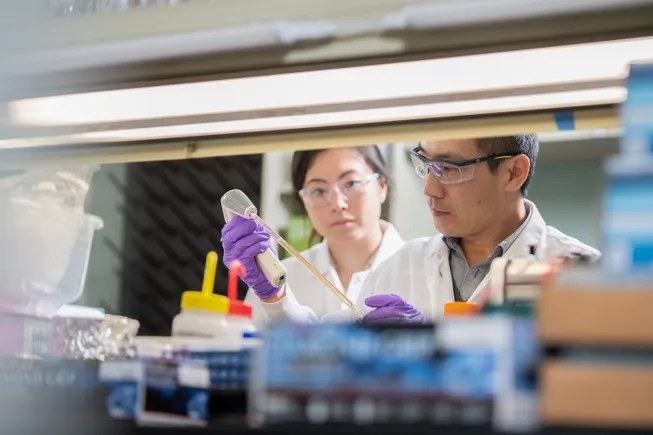
A cornerstone of the HSOC strategy is the deployment of wastewater surveillance. Utilizing a network of collection sites, the coalition monitors for pathogens ranging from common viruses like influenza and norovirus to more severe threats.
- Methodology: The system uses a combination of PCR testing for rapid (48-hour) detection and metagenomic sequencing for broader, more comprehensive analysis (one-week turnaround).
- Strategic Utility: Experts compare this technology to "weather radar," providing real-time intelligence on which pathogens are circulating, where, and in what concentration.
While the coalition does not anticipate outbreaks of high-consequence pathogens like Ebola, the system is designed to provide an early warning signal, allowing for rapid intervention. Currently, the project operates on a shoestring budget, raising concerns about the long-term sustainability of such independent surveillance initiatives as the nation looks toward future mass-gathering events, such as the 2028 Los Angeles Olympics.
II. The Private Equity Clash: Emergency Medicine Under Siege
The consolidation of healthcare practices under private equity (PE) firms continues to reshape the landscape of emergency medicine, often to the detriment of physician autonomy and staffing stability. A recent case involving Emergency Medicine of Blue Ridge (EMBR) in West Virginia and Virginia illustrates the volatile nature of these transitions.
Chronology of the Conflict
- April 2: EMBR leadership was summoned to an emergency meeting with their hospital partner, Valley Health. Without prior warning, Valley Health invoked a "without cause" termination clause in their contract, providing six months’ notice.
- The Transition: Valley Health announced a shift to SCP Health, a private-equity-backed practice management firm.
- The Human Cost: Physicians were offered positions with SCP Health, but under significantly degraded terms: 1099 contractor status, loss of insurance and retirement benefits, and a reduction in physician staffing hours from 90 to 70 hours per day, while advanced practice provider hours were set to double.
The Broader Implications
The situation has highlighted a lack of legal protections for physicians. While West Virginia offers some defenses against the "corporate practice of medicine," Virginia currently lacks such safeguards. Furthermore, the prohibitive cost of legal action and the time constraints involved make it difficult for independent groups to fight displacement.
Many physicians impacted by this transition are now looking to federal and state lawmakers to craft legislation that protects the independence of medical practice groups. For now, the loss of experienced staff is an immediate reality, with many doctors choosing to retire early or relocate rather than accept the new, corporate-controlled model of care.
III. "Standing Up for Science": The ADA Controversy
Perhaps the most public display of institutional friction occurred at the American Diabetes Association’s (ADA) annual conference in New Orleans. The event, meant to foster scientific exchange, turned into a flashpoint for political and professional tensions.
The Incident
On June 5, five prominent diabetes researchers were forcibly removed from the conference center by security and police. Their "offense" was distributing copies of an editorial published in Diabetes Care—the ADA’s own flagship journal. The editorial, authored by Dr. Steven Kahn, criticized recent federal funding changes and their negative impact on diabetes research.
The removal was caught on video, showing security personnel seizing materials and escalating physical contact with the researchers. The immediate fallout included:
- Badge Revocation: The researchers were stripped of their credentials and initially denied reentry.
- Leadership Resignations: In protest, the ADA’s president-elect, Jennifer Green, MD, and the scientific sessions planning committee chair, Mark Atkinson, PhD, resigned from their posts.
- Public Outcry: A walkout during the presidential keynote and a standing ovation for Dr. Kahn in a separate session served as a clear message from the scientific community that the ADA’s actions were viewed as an assault on scientific discourse.
Official Response and Retrospection
Following the outcry, the ADA CEO issued a video apology. While the ADA eventually offered to return the badges to the researchers, the offer was largely rejected as it lacked a substantive attempt to address the underlying censorship concerns.
A survey conducted by MedPage Today found that 95% of over 300 healthcare professional respondents believed the ADA was not justified in its actions. This incident has reignited a broader conversation regarding the role of scientific societies as protectors of—rather than gatekeepers against—the dissemination of challenging scientific views.
IV. Public Health Outlook: Measles and Beyond
As these institutional and professional crises unfold, the baseline health of the population remains a primary concern. The latest data indicates a steady, if concerning, trend in measles transmission.
In the last two weeks, 88 new measles cases have been documented, with significant clusters identified in Virginia and Pennsylvania. Given that nearly half of the 48 nations participating in the World Cup are currently experiencing active measles outbreaks, public health officials are bracing for the potential importation of further cases.
Summary of Current Risks
| Threat Category | Status | Primary Concern |
|---|---|---|
| Infectious Disease | Monitoring Ongoing | Mass gatherings at World Cup; Measles clusters. |
| Workforce Stability | High Instability | PE-driven contract terminations in ER settings. |
| Scientific Integrity | Crisis of Confidence | Institutional censorship at medical conferences. |
Conclusion
The events of the past month serve as a stark reminder that the stability of the healthcare sector is fragile. Whether it is the collaborative effort to track viruses at the World Cup, the struggle for physician autonomy against private equity, or the battle for scientific freedom within medical associations, the common thread is a systemic need for more robust, transparent, and resilient structures. As these stories continue to evolve, the medical community remains at a crossroads, balancing the demands of global health, economic pressures, and the fundamental imperative to "stand up for science."