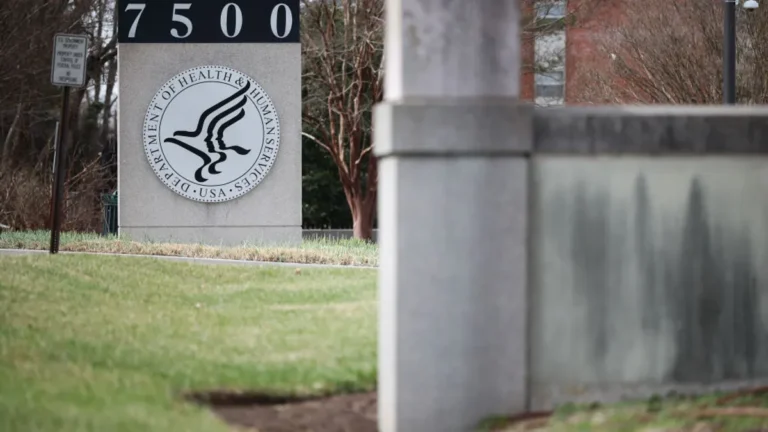
In a sweeping move to address the escalating behavioral health challenges facing the United States, the Department of Health and Human Services (HHS) announced on Monday the distribution of $77 million in new grant funding. Administered through the Substance Abuse and Mental Health Services Administration (SAMHSA), the capital is earmarked for a wide spectrum of critical services, ranging from substance use prevention and community-based mental health support to targeted suicide prevention and crisis intervention initiatives.
The announcement, which arrived at the culmination of National Substance Use Primary Prevention Month, underscores a federal commitment to pivoting toward a more proactive, prevention-heavy model of care. As the nation grapples with the long-term ripple effects of untreated mental illness and addiction, the administration is emphasizing the necessity of strengthening the "protective factors" that allow individuals and communities to remain resilient.
The Core Mandate: Distributing $77 Million in Critical Infrastructure
The $77 million investment is not a monolithic allocation but rather a diversified portfolio of funding intended to bolster local, state, and tribal infrastructure. A significant portion of this total—exceeding $22 million—is explicitly dedicated to substance use prevention. This segment of the funding is designed to empower local coalitions and community leaders to intercept substance use patterns before they transition into chronic dependencies or fatal outcomes.
The remaining balance of the grant package is distributed across a broad array of essential services, including:
- Crisis Intervention: Enhancing the capacity of local emergency response systems to handle behavioral health crises, reducing the burden on law enforcement and emergency departments.
- Treatment and Recovery Support: Funding the expansion of evidence-based clinical practices, including medication-assisted treatment (MAT) and long-term recovery housing.
- Community Behavioral Health: Providing direct support to community mental health centers (CMHCs) to ensure that underserved populations have access to psychiatric care, counseling, and wrap-around social services.
- Suicide Prevention: Expanding the reach of suicide prevention hotlines and community-based mental health outreach programs designed to identify at-risk individuals early.
Chronology: The Road to the Latest Funding Announcement
The current allocation is the latest chapter in a multi-year federal effort to standardize and scale behavioral health interventions. To understand the significance of this $77 million injection, one must view it within the broader timeline of the American behavioral health landscape.
2020–2021: The Pandemic Paradigm Shift
The onset of the COVID-19 pandemic acted as a catalyst, exacerbating existing mental health vulnerabilities and leading to a sharp rise in substance use disorders across all demographics. During this period, the federal government began a shift in funding priorities, moving from purely reactive, clinical care toward integrated community-based prevention models.
2022–2023: Structural Reform
Following the passage of landmark legislation aimed at expanding behavioral health access, SAMHSA began refining its grant criteria. The emphasis shifted toward "social determinants of health"—acknowledging that stable housing, employment, and community connection are as vital to mental wellness as clinical intervention.
Late 2024: A Strategic Focus on Primary Prevention
The announcement made this week serves as the culmination of the administration’s "Great American Recovery" initiative. By aligning the funding with National Substance Use Primary Prevention Month, the agency sought to draw a clear line between the current crisis and the long-term strategy of preventing addiction before it begins.
Supporting Data: Why Prevention Remains the Fiscal Priority
The rationale for the $77 million investment is rooted in extensive public health data. According to the latest reports from the Centers for Disease Control and Prevention (CDC) and SAMHSA, the economic and social costs of untreated mental health and substance use disorders have reached an inflection point.
The Cost of Inaction
Economic studies consistently show that for every dollar invested in primary prevention, the long-term savings in healthcare costs, criminal justice expenditures, and lost productivity are exponential. Untreated mental illness is a primary driver of the current crisis, often leading to co-occurring substance use disorders that complicate recovery efforts.
The Demographic Reach
The funding is intentionally designed to reach marginalized and high-risk populations. By targeting states, tribes, and specific community coalitions, the federal government is attempting to close the "equity gap" in healthcare. Data suggests that rural communities and tribal lands often lack the specialized workforce—such as psychiatric nurse practitioners and addiction counselors—needed to manage complex behavioral health cases. A portion of this $77 million is specifically tasked with building the human resource infrastructure necessary to staff these underserved regions.
Official Responses: Defining the Vision
The announcement has garnered support from top federal officials who view this funding as a cornerstone of a broader, more human-centric healthcare policy.

SAMHSA’s Perspective
SAMHSA Principal Deputy Assistant Secretary Christopher D. Carroll emphasized the philosophy behind the distribution of these funds. "Prevention is the foundation of a strong behavioral health system," Carroll stated. He noted that the $22 million allocated specifically for prevention is intended to "strengthen the protective factors that we know help people thrive."
Carroll’s remarks highlight a critical evolution in the federal approach: moving beyond the "silo" mentality where prevention, treatment, and recovery were managed as distinct, often disconnected, silos. The current strategy aims to integrate these services, ensuring that a person who engages with a crisis line is successfully transitioned into long-term recovery support.
The Administration’s Stance
HHS Secretary Robert F. Kennedy, Jr. framed the investment as part of a national renewal effort. "Every American deserves the chance to live free from addiction and the devastation of untreated mental illness," Kennedy said. Referring to the "Great American Recovery," he outlined the administration’s goal: "We are investing in prevention, expanding access to effective treatment, strengthening crisis response, and helping communities intervene before tragedy strikes."
The rhetoric from the Secretary’s office suggests a move toward a more interventionist federal role, where the state acts as a primary partner in local community health outcomes. The focus on "restoring families" and "achieving lasting recovery" signals a shift in tone toward a more compassionate, recovery-oriented healthcare paradigm.
Implications for the Future: What This Means for Communities
The $77 million investment is expected to have far-reaching implications for how communities manage behavioral health crises in the coming years.
1. Scaling Local Autonomy
By directing the funds to community-based organizations and tribal leaders, the federal government is acknowledging that local stakeholders are best positioned to identify the unique needs of their populations. This decentralization of resources allows for more agile and culturally competent responses to substance use.
2. The Integration of Crisis Services
With a portion of the funds dedicated to crisis services, many communities will be able to expand their Mobile Crisis Teams (MCTs). These teams, which often consist of social workers and paramedics, provide an alternative to traditional police response, ensuring that individuals in mental health distress are treated with clinical expertise rather than punitive measures.
3. Long-term Sustainability
Perhaps the most significant implication is the focus on "lasting recovery." By funding the infrastructure that supports recovery—such as sober living homes and job placement services—the government is attempting to reduce the high rate of relapse that often plagues the current system.
4. Policy Continuity
The success of these grants will likely influence future budget cycles. If the $77 million investment demonstrates measurable reductions in emergency room admissions for substance use or improvements in suicide prevention metrics, it will create a template for larger, more comprehensive legislative packages in the future.
Conclusion
The $77 million in grant funding announced by HHS and SAMHSA represents more than just a line item in the federal budget; it represents a tactical shift toward a more robust, prevention-focused behavioral health system. By prioritizing community-based interventions and emphasizing the necessity of early identification, the administration is attempting to dismantle the cycle of addiction and mental illness at its source.
As these funds begin to flow into states, tribes, and local organizations, the focus will shift to execution. The ability of these local entities to translate federal capital into tangible outcomes—such as reduced overdose rates, increased access to counseling, and strengthened community support systems—will be the true measure of this initiative’s success. In a nation where the specter of the opioid crisis and the mental health epidemic looms large, this investment serves as a vital beacon of support for those striving to achieve lasting health and recovery.