





August 20, 2026 | By Lauren Belsky, Development Coordinator, Alliance for Aging Research
As we approach August 21, the world pauses to observe a significant milestone in our collective calendar: World Senior Citizens Day. While every day presents an opportunity to appreciate the mentors, family members, and community pillars who have paved the way for current generations, this specific date serves as a formal recognition of the indelible mark older adults continue to leave on our society. Beyond mere celebration, this day acts as a poignant reminder of the critical importance of fostering social inclusion, cognitive engagement, and emotional well-being for our aging population.
The Foundations of Recognition: A Historical Perspective
The origins of World Senior Citizens Day are rooted in a desire to institutionalize gratitude and respect for the elderly. The movement gained official federal recognition in the United States on August 19, 1988, when President Ronald Reagan signed Proclamation 5847.
In his proclamation, President Reagan noted, "For all they have achieved throughout their lives and for all they continue to accomplish, we owe older citizens our thanks and a heartfelt salute." This legislative action was the catalyst for the first international celebration, which took place on August 21, 1991. Since then, the date has served as a touchstone for governments, non-profits, and families to highlight the necessity of supporting the longevity and quality of life for those aged 65 and older.
The Science of Connection: Why Engagement Matters
The celebration of our senior citizens is not merely a social courtesy; it is a public health imperative. Modern research in gerontology and neuropsychiatry has consistently demonstrated that the quality of an older adult’s social environment is a primary predictor of their physical and cognitive health.
The Impact of Loneliness and Isolation
The "epidemic of loneliness," as identified by various public health authorities, poses a significant threat to older populations. Chronic isolation is scientifically linked to increased risks of heart disease, dementia, and stroke. By contrast, active engagement in one’s community acts as a powerful buffer against these outcomes. When older adults remain socially connected, they experience lower levels of cortisol—the body’s primary stress hormone—which in turn reduces the systemic inflammation that contributes to chronic illness.
Cognitive and Emotional Benefits
Participating in activities—whether they are intellectual, physical, or social—serves to "exercise" the brain. Engagement in clubs, volunteer programs, or intergenerational mentorship provides the cognitive stimulation necessary to build "cognitive reserve." This reserve helps the brain remain resilient against the physiological changes associated with aging. Furthermore, having a clearly defined "sense of purpose" is linked to higher reported levels of life satisfaction and a lower incidence of geriatric depression.
Supporting Our Older Loved Ones: Practical Approaches
Celebrating World Senior Citizens Day does not require grand gestures; rather, it thrives on the quality of human connection. To truly honor the older adults in our lives, we must move beyond passive observation and toward active inclusion.
Meaningful Gestures at Home
- Active Listening: Often, the most profound gift is time. Engaging in deep, uninterrupted conversations about an individual’s life history, career, or personal wisdom not only makes the individual feel valued but also preserves the oral history of our communities.
- Digital Connectivity: Help bridge the "digital divide" by teaching loved ones how to use modern communication tools to connect with distant family members, access online interest groups, or engage with telehealth services.
- Shared Experiences: Rather than gifting physical objects, prioritize shared experiences—a walk in a park, attending a local concert, or preparing a meal together. These activities foster the socioemotional bonds that are vital for long-term health.
Community Involvement: A Two-Way Street
The benefits of community involvement are reciprocal. When older adults share their talents, the community at large benefits from their experience, perspective, and stability.
Pathways to Engagement
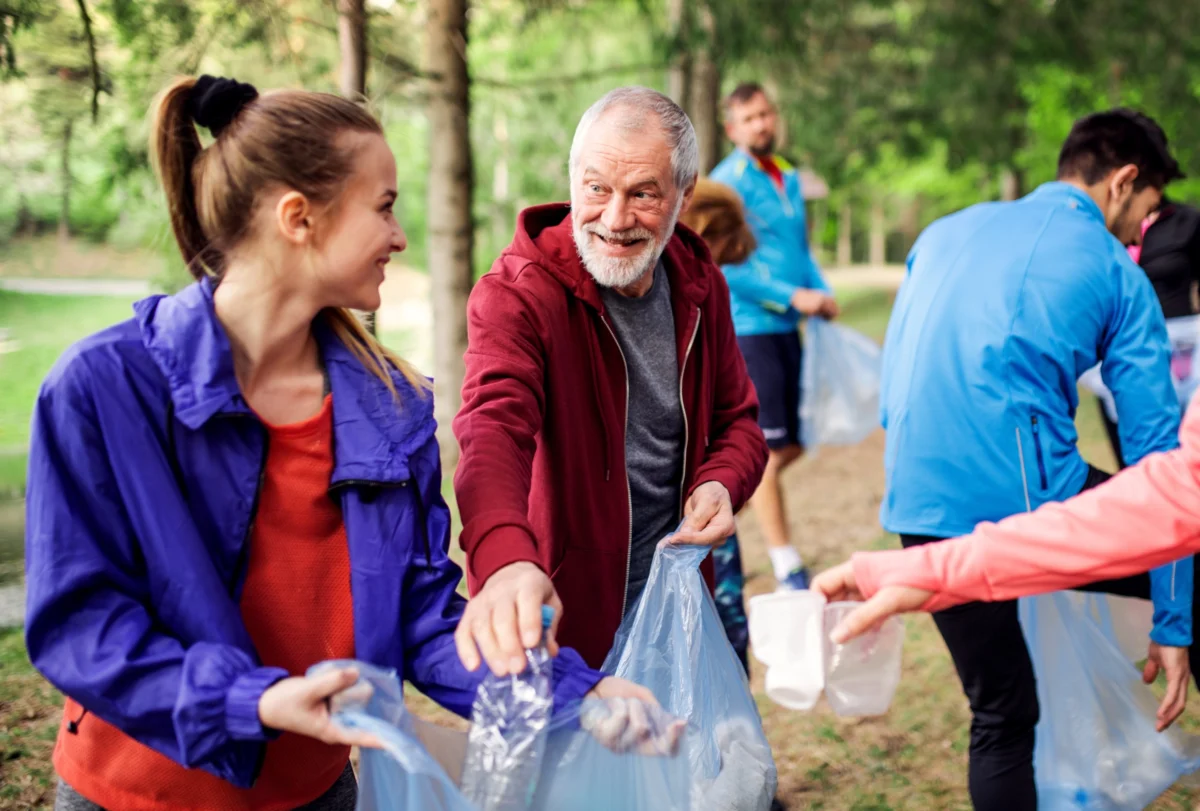
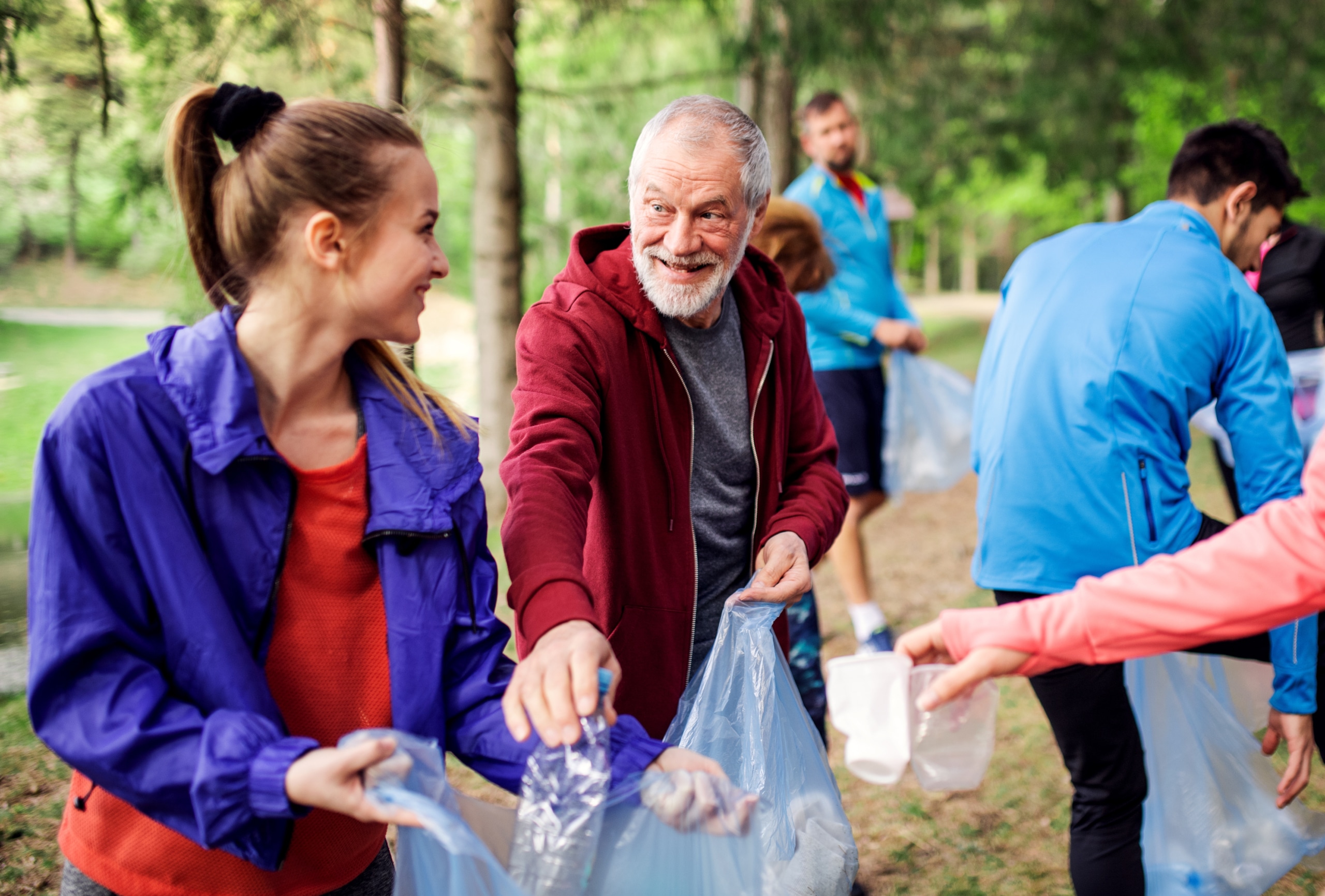
- Volunteerism: Organizations—from local libraries to food banks—are always in need of the expertise that retired professionals bring. Mentoring younger generations is a particularly effective way for seniors to leave a legacy while staying socially active.
- Lifelong Learning: Many community colleges and local centers offer programs tailored for seniors. Engaging with new subject matter is one of the most effective ways to maintain neuroplasticity.
- Physical Activity Groups: Joining walking clubs or low-impact exercise classes (such as Tai Chi or yoga) ensures that older adults maintain the mobility and balance required to live independently for as long as possible.
- Civic Participation: Encouraging older adults to serve on boards, participate in local town halls, or volunteer for civic committees ensures that the perspective of the elderly is represented in the policies that shape our future.
Implications for Public Policy and Societal Structure
As the global population ages, the implications of World Senior Citizens Day extend to the halls of government and the design of our urban environments. The Alliance for Aging Research and similar organizations advocate for "Age-Friendly" infrastructure. This includes everything from more accessible public transportation and pedestrian-friendly urban planning to the expansion of healthcare services that specifically target geriatric needs.
The economic implications are equally vast. As people live longer, the concept of "retirement" is shifting. Society is beginning to recognize the "longevity economy"—the economic activity generated by the needs and contributions of older adults. Integrating seniors into the workforce through flexible consulting roles or part-time mentorship opportunities is proving to be a strategic move for businesses looking to retain institutional knowledge.
Looking Toward the Future
The challenge for the next decade is to transform our culture from one that often views aging through a lens of decline to one that recognizes it as a phase of continued growth and contribution. When we celebrate World Senior Citizens Day, we are acknowledging that the narrative of aging is not one of subtraction, but of accumulation—the accumulation of wisdom, resilience, and experience.
By fostering environments where older adults feel heard, useful, and connected, we are not just helping them; we are strengthening the fabric of our entire society. The research is clear: healthy aging is a communal effort. It requires a commitment from families to remain connected, from communities to remain inclusive, and from policymakers to remain focused on the unique needs of this demographic.
As we celebrate this August 21, let us pledge to do more than just offer a word of thanks. Let us commit to building a future where every older adult has the opportunity to lead a life characterized by dignity, purpose, and vibrant health. The individuals we honor today have built the world we inhabit; it is our responsibility to ensure that this world remains a place where they can thrive, regardless of their age.
In conclusion, World Senior Citizens Day serves as a vital reminder that our elders are not merely "past" citizens; they are active, essential participants in the present. As the Alliance for Aging Research continues its mission, we invite you to join us in celebrating the extraordinary lives of older adults, not just for one day, but through a sustained commitment to their well-being and inclusion in all facets of life.