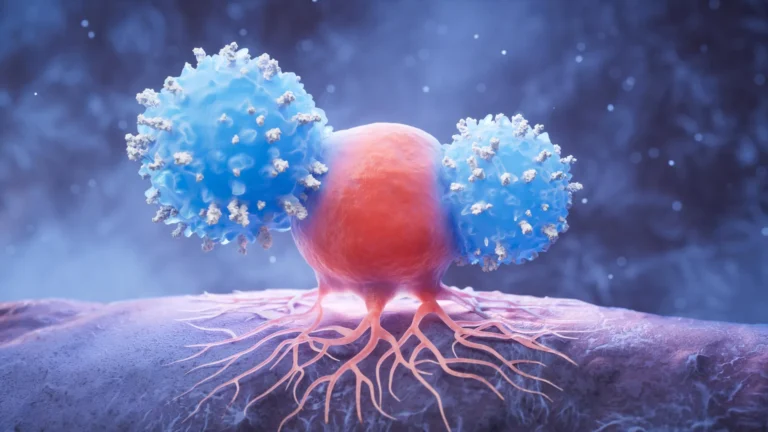





In the persistent war against cancer, one of the most formidable adversaries is not the speed at which a tumor grows, but rather its ability to stop growing altogether. For decades, oncologists have battled the phenomenon of cancer cell dormancy—a "sleep-like" state where malignant cells become metabolically inactive. In this state, these cells effectively "hide" from conventional chemotherapy and radiation, which are designed to target rapidly dividing cells. When treatment concludes and the body appears clear of disease, these dormant cells can "wake up," leading to dangerous recurrences.
Now, a team of researchers at ETH Zurich has unveiled a groundbreaking approach that could fundamentally shift this paradigm. By harnessing the body’s own protein-recycling machinery and coupling it with precision light-based control, scientists have developed a method to forcibly wake dormant cancer cells, rendering them susceptible to standard treatments once more.
The Mechanism of Dormancy: Stress Hormones as a Trigger
To understand the significance of this discovery, one must first understand the "molecular sleep" induced in cancer cells. In many aggressive forms of cancer, including certain types of non-small cell lung cancer, the tumor environment is highly sensitive to the body’s stress response.
When the body is under stress, it releases glucocorticoid hormones. While these hormones are essential for regulating metabolism and inflammation in a healthy body, they can be hijacked by cancer cells. These cells express specialized proteins known as glucocorticoid receptors. When these receptors detect stress hormones, they initiate a signaling cascade that pushes the cancer cell into a state of deep quiescence—a hibernation that protects the cell from the cytotoxic effects of most cancer drugs.
For years, researchers have recognized that disabling these receptors could prevent dormancy. However, the glucocorticoid receptor is a "double-edged sword." It is ubiquitous, found in nearly every cell type, where it plays a vital role in immune function and inflammation regulation. A systemic drug that wipes out these receptors across the body would cause catastrophic health consequences, potentially leading to adrenal insufficiency or a total collapse of the immune system. The challenge, therefore, was not just to deactivate the receptor, but to do so with surgical precision.
Chronology of a Molecular Innovation
The path to the ETH Zurich breakthrough began with a multidisciplinary collaboration between the university’s departments of Epigenetics and Neuroendocrinology, led by Professor Katharina Gapp, and the Department of Organic Synthesis, led by Professor Erick Carreira.
- Phase I: Conceptualization: The researchers hypothesized that they could exploit the cell’s natural protein degradation pathway, known as the ubiquitin-proteasome system. This is the body’s "trash disposal" unit, which tags misfolded or damaged proteins with a molecular label called ubiquitin, signaling the cell to break them down.
- Phase II: Design of the Molecular Switch: The team engineered a chimeric molecule—a three-part molecular switch. One end acts as a "tether" that binds to the glucocorticoid receptor; the other binds to the cell’s disposal enzyme (an E3 ligase). Between them lies a flexible, light-sensitive connector.
- Phase III: Validation: Under normal conditions, the connector remains extended, holding the enzyme and the receptor in close proximity. The enzyme labels the receptor for destruction, and the receptor is dismantled.
- Phase IV: Light Control: In 2023 and 2024, the team successfully demonstrated that by applying light of a specific wavelength, the connector molecule physically bends. This conformational change moves the enzyme away from the receptor, effectively turning off the "trash disposal" mechanism in real-time.
Harnessing the Body’s Protein Recycling System
The elegance of the ETH Zurich system lies in its use of endogenous pathways rather than introducing harsh, exogenous toxins. By "tricking" the cell into recycling its own glucocorticoid receptors, the researchers avoid the inflammatory response often triggered by traditional chemical inhibitors.
The "molecular switch" acts as a bridge. Under ambient, non-specific conditions, the switch is "ON," causing the degradation of the target receptors. This is the ideal state for the tumor core, where the researchers want to eliminate the dormancy-inducing receptors. However, in the periphery—where healthy tissue resides—the team can shine light to keep the switch "OFF." By blocking the disposal process in healthy tissue, they ensure that the body’s natural glucocorticoid receptor functions remain intact.
"This system is based on existing medical technology and therefore offers a realistic prospect of localized therapies," notes Robin Scheuplein, joint first author of the study and a doctoral student in Professor Gapp’s research group. The system is modular, meaning the "tether" component can be swapped out to target different receptors, potentially expanding the platform’s utility beyond glucocorticoid receptors to include those linked to breast and prostate cancers.
Supporting Data and Experimental Evidence
In laboratory cultures of lung cancer cells, the results have been striking. The application of the molecular switch, followed by the activation of the receptor-destruction process, resulted in a rapid decline in receptor density. More importantly, genetic analysis confirmed a shift in the cells’ transcriptome: the markers of dormancy disappeared, and the cells resumed a profile consistent with active cell division.
This resumption of activity is the "holy grail" of current oncology research. Once these cells are "awake," they lose their protective cloak, making them once again vulnerable to traditional chemotherapy, immunotherapy, or radiotherapy. The team has observed that the switch is highly reversible; should the light source be removed or adjusted, the molecular machinery returns to its baseline state, offering a degree of control previously unseen in pharmacological interventions.
Implications: The Future of Precision Oncology
While the laboratory results are promising, the transition from the Petri dish to the patient involves significant engineering hurdles. The most immediate is the issue of "light penetration depth."
The Challenges of Depth
Currently, visible light—the trigger for the current iteration of the switch—can only penetrate a few millimeters into human tissue. To treat a lung tumor, this would necessitate the use of an endoscope to deliver light directly to the site of the lesion. While invasive, it is a standard clinical procedure for many lung-related diagnostics.
For deeper-seated tumors, the research team is already pivoting toward the next generation of switches. They are currently synthesizing connectors that respond to near-infrared (NIR) light. NIR light occupies a "biological window" in the electromagnetic spectrum, capable of traveling much deeper through skin, fat, and muscle without causing the thermal damage associated with shorter wavelengths.
A Modular Platform for Diverse Cancers
The implications of this technology extend far beyond lung cancer. Because the system is modular, the research team envisions a "library" of switches. For instance:
- Breast Cancer: A switch could be designed to target the estrogen receptor, which often undergoes mutations that make cells resistant to hormonal therapies.
- Prostate Cancer: The androgen receptor, a major driver of prostate cancer progression, could be tagged for degradation using a similar molecular architecture.
- Research Tool: Beyond clinical therapy, this system provides a powerful new tool for fundamental biology. Researchers can now use light to "flicker" gene activity on and off in real-time, allowing for unprecedented observation of how signaling pathways influence cancer evolution.
Official Responses and Ethical Considerations
Professor Gapp and her team remain cautious, emphasizing that the technology is in the preclinical development stage. "Of course, this will now need to be verified in living organisms as well," Scheuplein says, highlighting the necessity for in vivo studies in animal models to determine the long-term safety of these molecular switches, their immunogenicity, and their stability in the bloodstream.
From a regulatory standpoint, the use of light-activated "optopharmacology" is gaining traction. It represents a move away from "systemic bombardment"—where a drug is given to the whole body—toward "spatiotemporal control," where a drug is only active in a specific place at a specific time.
As the scientific community reviews these findings, the focus will now shift to the long-term stability of the chimeric molecules. The ETH Zurich team is currently optimizing the connector’s sensitivity to ensure that only the intended wavelengths trigger the structural change, preventing "accidental" activation by ambient room light or other environmental factors.
Conclusion: A New Frontier
The ability to manipulate the fundamental life-cycle of a cancer cell—forcing it out of a defensive hibernation and into a vulnerable, active state—represents one of the most significant potential shifts in cancer care in the last decade. By leveraging the cell’s own recycling system, the ETH Zurich researchers have bypassed the limitations of traditional, blunt-force drug delivery.
While the road to clinical application involves rigorous testing for safety and the development of deep-tissue light delivery systems, the promise is clear: the era of "on-demand" cancer treatment is no longer the stuff of science fiction. As we gain the ability to control the "sleep" cycles of malignant cells, we may finally be able to turn the tide against the most persistent and elusive cancers, ensuring that when we treat a patient, we are treating the disease in all its states, active or dormant.