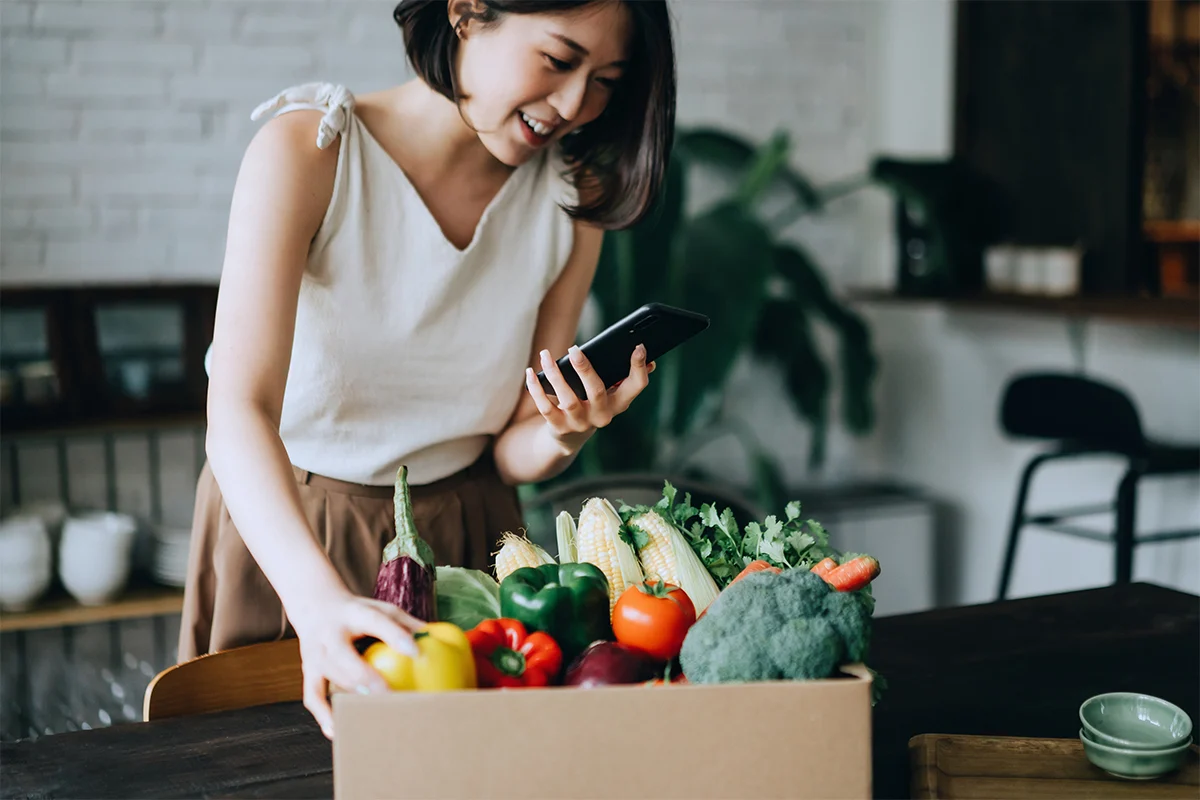
Once dictated by the unforgiving constraints of nature, the act of eating according to the calendar was, for millennia, a survival strategy. Today, it has undergone a sophisticated metamorphosis, emerging as a conscious lifestyle movement. As consumers grow increasingly disillusioned with the carbon-heavy, industrialized food systems that promise strawberries in December and pumpkins in May, a quiet revolution is taking place at farmers markets and through community-supported agriculture (CSA) programs. Seasonal eating—the practice of aligning one’s diet with the natural harvest cycles of a specific region—is no longer a relic of the past; it is the vanguard of a healthier, more sustainable future.
Main Facts: The Philosophy of the Harvest
At its core, seasonal eating is the intentional consumption of food during the period when it is naturally grown and harvested. While modern logistics have obscured these rhythms, the biological reality remains: plants have specific growing seasons.
The movement is driven by a convergence of environmental awareness, culinary curiosity, and a growing body of nutritional evidence. Proponents argue that by bypassing the long-haul supply chains required to stock supermarket shelves with out-of-season imports, consumers reduce their "food miles," significantly lowering their individual carbon footprint. Beyond environmental impact, the primary appeal lies in the quality of the produce itself. When a tomato is allowed to ripen on the vine under the summer sun—rather than being picked green and gassed with ethylene in a warehouse—the difference in flavor, texture, and nutrient density is palpable.
A Chronological Shift: From Necessity to Choice
To understand the current movement, one must look at the historical trajectory of food consumption.
The Era of Subsistence (Pre-1950s)
For the vast majority of human history, seasonal eating was mandatory. Preservation techniques—such as pickling, drying, canning, and root cellaring—were the only ways to bridge the gap between harvest and the barren winter months. The kitchen was a rhythm dictated by the frost dates and the first thaw.
The Industrial Interruption (1960s–2000s)
The advent of refrigerated shipping, globalized trade agreements, and advanced greenhouse technology effectively "de-seasonalized" the human diet. The supermarket became a place where time stood still. Bananas, avocados, and imported citrus became staples of every season, creating an illusion of abundance that masked the loss of agricultural biodiversity.
The Conscious Renaissance (2010–Present)
The rise of the "Farm-to-Table" movement, spearheaded by chefs like Alice Waters, began to shift the narrative. Data from the USDA suggests that since 2015, there has been a 14% increase in the number of Americans sourcing at least a portion of their produce directly from local farms. This shift represents a transition from a convenience-based model to a values-based model, where the consumer views food as a connection to the local ecosystem.
Supporting Data: The Nutritional and Economic Argument
The argument for seasonal eating is bolstered by robust data concerning health outcomes and agricultural sustainability.
Nutrient Density and Bioavailability
Research published in the Journal of Food Composition and Analysis indicates that produce harvested at its peak contains higher levels of vitamins, minerals, and antioxidants compared to produce harvested prematurely to survive long-distance shipping. For example, a spinach leaf harvested in the spring, when temperatures are mild, possesses a different phytonutrient profile than one grown under artificial heat in the dead of winter.
The Economic Ripple Effect
Community Supported Agriculture (CSA) programs have become the financial bedrock of the seasonal movement. By paying for a "share" of the harvest at the start of the season, consumers provide farmers with necessary capital, effectively sharing the risks of farming. According to the National Agricultural Statistics Service, farms that engage in direct-to-consumer sales see a profit margin increase of roughly 20% compared to those relying solely on wholesale distributors.
Official Responses: What the Experts Say
Nutritionists and agricultural scientists are increasingly weighing in on the trend, noting that it represents a significant behavioral shift in public health.
The Nutritional Perspective
Dr. Elena Rodriguez, a clinical nutritionist, notes: "Seasonal eating forces a diversification of the diet. When you eat only what is in season, you are inherently forced to rotate your intake. You aren’t just eating the same three vegetables year-round. This leads to a more diverse microbiome, which is the cornerstone of modern preventative medicine."
The Agricultural Perspective
Agricultural extension agents emphasize the benefit to soil health. "When we demand year-round production of specific crops, we force the land into a state of depletion," says Marcus Thorne, an agricultural consultant. "Seasonal eating encourages crop rotation, which is the gold standard for maintaining topsoil integrity. By eating with the season, consumers are inadvertently supporting regenerative agricultural practices."
Implications: The Future of the Food System
The transition toward seasonal eating has profound implications for how we view our place in the global environment.
1. Culinary Expansion and Creativity
For the home cook, seasonal eating is an exercise in creativity. When the market is flooded with summer berries, peaches, and melons, the consumer is challenged to learn new preparation methods. This engagement with food—choosing, washing, prepping, and cooking—reconnects the individual to the culinary process, a practice that has been lost in the age of pre-packaged, ultra-processed convenience foods.
2. Redefining "Abundance"
The modern food system defines abundance as "having everything all the time." The seasonal movement defines abundance as "having the best of what is currently here." This psychological shift is critical. It moves the consumer away from the consumerist impulse of wanting everything instantly, fostering a sense of patience and anticipation. The excitement of the first spring asparagus or the last autumn squash creates a calendar of flavors that makes the year feel distinct and meaningful.
3. Sustainability and Food Security
As climate change continues to impact global supply chains, the vulnerability of our current "always-on" food system becomes increasingly apparent. Relying on imports from thousands of miles away leaves the population susceptible to price shocks and logistics failures. A decentralized, seasonal food system, supported by local agriculture, creates a buffer. It builds local food security, ensuring that even if global trade faces disruption, the community retains the ability to feed itself from the land it occupies.
4. The Challenges of Accessibility
Critics of the seasonal movement often point to the issue of equity. Is seasonal eating a privilege of the affluent? While farmers markets in metropolitan areas often command a price premium, the growth of "food hubs" and the integration of SNAP benefits into farmers market payment systems are working to democratize access. The goal of the movement is not to create a niche luxury market, but to shift the infrastructure of the entire food economy toward a model that values locality over global ubiquity.
Conclusion: A Return to Rhythms
The shift toward seasonal eating is not merely a trend—it is a recalibration of our relationship with the earth. By aligning our plates with the natural world, we do more than just improve our health; we engage in a silent, daily act of stewardship.
As we move forward, the challenge for the modern food system is to reconcile the efficiency of the 21st century with the biological necessities of the earth. We are learning that the most sophisticated way to eat is, in fact, the most primitive: to listen to the seasons, to respect the cycle of growth and harvest, and to find satisfaction in the fleeting, brilliant produce of the current moment. In a world that is constantly accelerating, the humble act of eating a tomato in August—at the exact moment it was meant to be enjoyed—is a radical, necessary, and deeply rewarding way to reclaim our time and our health.