









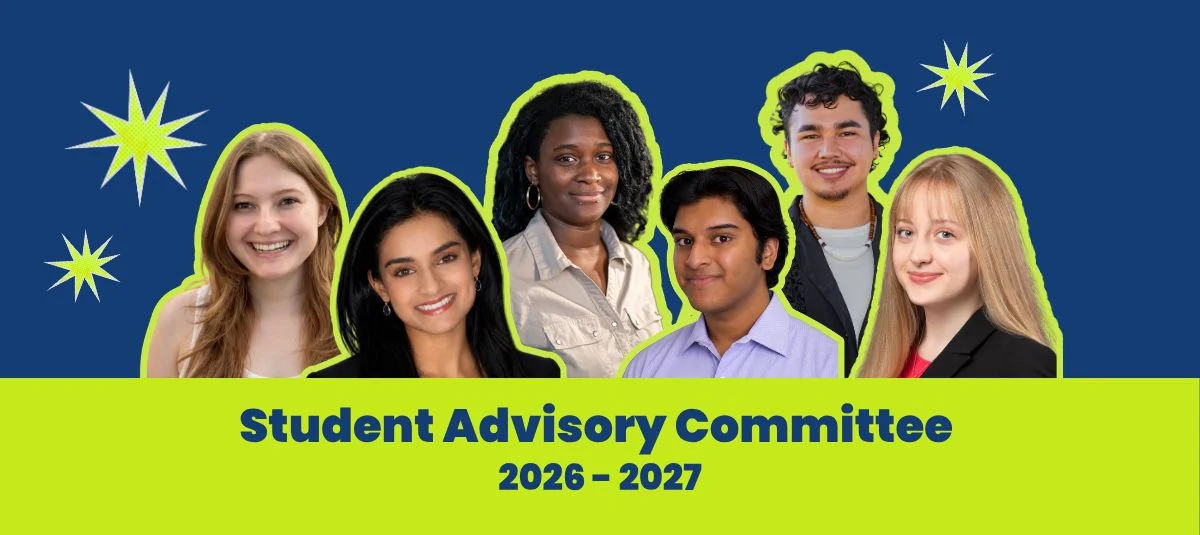
WASHINGTON, D.C. — Active Minds, the nation’s premier nonprofit organization dedicated to promoting mental health awareness and suicide prevention among young adults, has officially announced the appointment of its 2026-2027 Student Advisory Committee (SAC). This new cohort of student leaders arrives at a critical juncture in the American public health landscape, as Gen Z continues to navigate the complexities of a post-pandemic world, rising digital pressures, and a systemic shortage of mental health resources.
The SAC serves as the national "student voice" for the organization, bridging the gap between grassroots campus activism and national policy-making. Comprised of high-achieving undergraduates from diverse academic and cultural backgrounds, the 2026-2027 committee is tasked with advising the Active Minds national staff on engagement strategies, program development, and the orchestration of the highly anticipated National Conference.
Main Facts: A Vanguard for Gen Z Mental Health
The 2026-2027 SAC cohort represents a strategic shift toward interdisciplinary advocacy. While previous years focused heavily on psychology and social work, the new committee features a robust blend of students from molecular biology, computer science, public health, and evolutionary medicine. This diversity reflects a growing recognition that mental health is not an isolated issue but one intertwined with systemic policy, technological innovation, and clinical research.
The committee’s primary mandate includes:

- National Representation: Serving as spokespeople in media forums and legislative briefings.
- Strategic Advisement: Providing "on-the-ground" insights to national staff regarding student engagement and chapter management.
- Program Planning: Assisting in the development of mental health curricula and community-building initiatives across thousands of chapters.
- National Conference Stewardship: Leading the design and execution of the flagship event for youth mental health activists.
The newly appointed members—Kailani Goggans, Dionisio Taitano-Samora, Rhea Makkuni, Amy Senkerik, Arjun Nair, and Ivanna Sintes-Klein—bring a wealth of experience ranging from AI-driven research to grassroots reproductive justice and refugee clinic management.
Chronology: The Evolution of Student-Led Advocacy
The formation of the 2026-2027 SAC is the latest chapter in a movement that began over two decades ago. To understand the significance of this cohort, one must look at the trajectory of Active Minds:
- 2003: The Foundation: Following the tragic loss of her brother to suicide, Alison Malmon founded Active Minds at the University of Pennsylvania. The goal was to change the culture around mental health on campus.
- 2010s: Rapid Expansion: The organization grew from a handful of chapters to a national network. The SAC was formalized to ensure that as the organization grew, it remained "youth-powered" and did not lose touch with the evolving needs of the student body.
- 2020-2024: The Crisis Response: During the COVID-19 pandemic, Active Minds pivoted to digital-first advocacy. The SAC played a vital role in addressing the "loneliness epidemic" and the unique stressors of remote learning.
- 2025-Present: The Holistic Era: The current era, represented by the 2026-2027 cohort, focuses on "Mental Health in All Policies." This approach treats mental health as a component of global health, racial equity, and technological ethics.
Profiles in Leadership: Meet the 2026-2027 Cohort
The strength of the SAC lies in the individual expertise of its members. Each student brings a specific lens to the national conversation.
Kailani Goggans: The Intersection of Community Care and Medicine
A student at Salem College, Goggans is pursuing a dual focus in Psychological Science and Public Health. As the President of three major campus organizations—Active Minds, Students for Reproductive Freedom, and Siblings Demand Justice—she embodies the intersectional nature of modern activism. Her goal is to obtain an MD/MPH to bridge the gap between clinical practice and community-level policy.

Dionisio (Dio) Taitano-Samora: Advocacy for Equity and Inclusion
Representing Colorado State University Pueblo, Taitano-Samora is a first-generation Chicano-CHamoru student. His work focuses on the barriers faced by students of color within the education system. By serving on the Youth Advisory Board for Colorado, he is already influencing policies regarding healthcare access and the workforce, with a future focus on how STEM education access impacts public health outcomes.
Rhea Makkuni: Leveraging Technology for Mental Health
At Johns Hopkins University, Makkuni is exploring the frontiers of Molecular Biology and Computer Science. Working in the PALS Lab at the School of Medicine, she applies artificial intelligence to detect and understand mood disorders. As a chapter president, she translates these high-level technical insights into local community efforts, addressing the fragmented nature of mental health care systems.
Amy Senkerik: Global Health and Systemic Policy
A Fulbright Scholar and honors student at Arizona State University, Senkerik’s resume is expansive. From conducting cancer-neuroscience research at the Mayo Clinic to working as an EMT and leading refugee education teams, she operates at the highest levels of clinical and humanitarian advocacy. Her experience speaking at Congressional Briefings positions her as a key legislative asset for the SAC.
Arjun Nair: Compassionate Care for High-Risk Populations
Studying Biology at Virginia Commonwealth University (VCU) through a guaranteed medical admissions program, Nair focuses on substance use disorders and HIV prevention. His work with the American Academy of HIV Medicine highlights a commitment to destigmatizing behavioral health issues in medical settings. He aims to empower students to become "mental health champions" within their specific sub-communities.

Ivanna Sintes-Klein: Peer Support and Behavioral Science
At the University of Texas at Austin, Sintes-Klein focuses on Health Promotion and Behavioral Science. Her background in founding "Teddy Bear Hospital USA" at UT shows an innovative approach to reducing medical anxiety in children. As a peer support specialist, she is on the front lines of the "SHARE" initiative, which emphasizes that no student should carry their burdens alone.
Supporting Data: The Urgent Need for Student Voice
The appointment of the 2026-2027 SAC comes at a time when data suggests a profound need for peer-led intervention. According to recent studies from the Healthy Minds Network and the CDC:
- Prevalence: Over 60% of college students meet the criteria for at least one mental health problem, yet many remain hesitant to seek formal clinical help due to stigma or cost.
- Peer Influence: Research consistently shows that students are most likely to turn to a peer first when experiencing a mental health crisis. This "gatekeeper" role makes the work of the SAC essential in training and empowering student leaders.
- Barriers to Care: Fragmented systems and "treatment deserts" remain a primary concern. The SAC’s focus on policy and systemic change is a direct response to the fact that clinical capacity cannot keep up with demand without structural reform.
- The Gen Z Factor: Gen Z activists are more likely than previous generations to view mental health as a social justice issue, necessitating the diverse, advocacy-heavy backgrounds seen in the 2026-2027 cohort.
Official Responses: A Commitment to Youth-Led Change
In a statement following the announcement, leadership at Active Minds emphasized the indispensable role of the committee.
"The Student Advisory Committee is the heartbeat of our organization," said a representative from the National Chapter Engagement team. "We don’t just work for students; we work with them. The 2026-2027 cohort brings an unprecedented level of academic rigor and lived experience. From AI research to legislative advocacy, these leaders are not just the future of mental health—they are the present."

The organization noted that the selection process was highly competitive, with hundreds of applicants from across North America. The final six were chosen not only for their academic excellence but for their proven ability to build inclusive communities and mobilize their peers toward actionable goals.
Implications: Reshaping the Future of Public Health
The work of the 2026-2027 SAC is expected to have far-reaching implications for how mental health is integrated into the American university experience.
1. Moving Beyond "Awareness":
This cohort marks a transition from "awareness" to "action." By focusing on policy, research, and clinical integration, the SAC is signaling that talking about mental health is no longer enough; the focus must shift to changing the laws and systems that govern care.
2. The Physician-Advocate Model:
With several members aspiring to be MDs, the SAC is cultivating a new generation of "physician-advocates." These future doctors will enter the medical field with a deep understanding of the social determinants of mental health, potentially leading to more compassionate and holistic patient care.

3. Technological Integration:
As members like Rhea Makkuni bring AI and data science into the fold, Active Minds is poised to lead discussions on how technology can be used to bridge gaps in care without compromising privacy or increasing the "digital divide."
4. Sustainable Peer Support:
The focus on peer support specialists, as championed by Ivanna Sintes-Klein, suggests a move toward formalizing peer-to-peer networks. This could alleviate the burden on overstretched campus counseling centers by providing a sustainable, first-tier support system.
As the 2026-2027 Student Advisory Committee begins its tenure, the message is clear: the youth mental health movement is becoming more sophisticated, more diverse, and more determined to see systemic change. For those looking to support these efforts or engage with their local representatives, Active Minds encourages direct outreach through their national chapter network.
For more information on the Student Advisory Committee or to find a chapter near you, contact [email protected].